
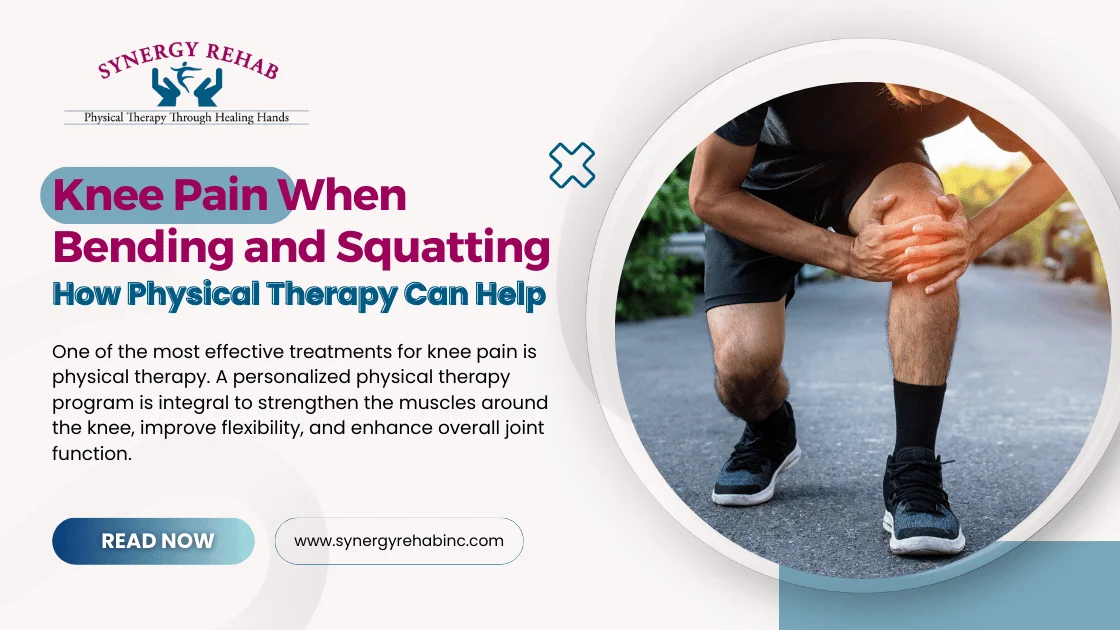
Knee Pain When Bending and Squatting: How Physical Therapy Can Help
Imagine trying to bend down to pick up a child or squat to grab something from a low shelf, only to be met with sharp, debilitating knee pain when bending. This all-too-common experience can turn simple daily tasks into daunting challenges. But there’s hope. If you understand the causes of knee pain and explore effective treatment options, such as physical therapy for knee pain, it can significantly improve quality of life. Why Knee Pain Occurs When Bending and Squatting Let’s understand first thing: the knee joint is a complex structure made up of of bones, cartilage, ligaments, and tendons. It is one of the largest and most stressed joints in the body, particularly during activities like bending and squatting. Knee pain when bending or squatting often results from various factors: Symptoms and Diagnosis Knee pain when bending or squatting may be accompanied by various symptoms, including: To devise an appropriate physical therapy treatment plan for knee pain, a physical therapist will examine the knees properly to understand the cause of knee pain. This includes assessing the patient’s medical history, performing a physical evaluation, and possibly recommending imaging tests such as X-rays or MRI scans. Knee Pain Treatment Options Treatment for knee pain when bending or squatting depends on the underlying cause. Common treatment options include: How Physical Therapy Can Help Physical therapy plays a crucial role in treating knee pain when bending or squatting. The primary goals of physical therapy for knee pain are to reduce pain, restore function, and prevent further injury. Here’s how physical therapy can help: Prevention Tips for Knee Pain When Bending Preventing knee pain involves maintaining a healthy lifestyle and adopting habits that protect the knee joint. Here are some tips to prevent knee pain: The Final Thoughts Knee pain when bending and squatting can significantly impact daily life, but effective treatment options are available. Physical therapy for knee pain offers a comprehensive approach to managing symptoms, improving function, and preventing further injury. By incorporating strengthening exercises, flexibility training, and pain management techniques, physical therapy can help individuals return to their daily activities pain-free. For expert care and personalized treatment plans, visit Synergy Rehab, a physical therapy clinic in Southfield, MI. Our experienced physical therapists are dedicated to helping you achieve optimal knee health and overall well-being. Experience the benefits of specialized physical therapy for knee pain at Synergy Rehab. Contact us today to schedule your appointment and take the first step toward a pain-free life. FAQs About Knee Pain When Bending and Squatting 1. Are there specific exercises I should avoid if I have knee pain when bending or squatting? Yes, exercises that place excessive stress on the knees, such as deep squats, lunges with heavy weights, and high-impact activities like running or jumping, should be avoided. Consult a physical therapist for tailored exercise recommendations. 2. Can diet affect knee pain when bending or squatting? Yes, a diet rich in anti-inflammatory foods like fruits, vegetables, and omega-3 fatty acids can help reduce inflammation and support joint health, potentially alleviating knee pain when squatting. 3. What role does footwear play in managing knee pain when bending or squatting? Wearing supportive and well-cushioned footwear can help absorb shock, provide stability, and reduce stress on the knee joint during daily activities and exercise. 4. How does weight impact knee pain when bending or squatting? Excess body weight increases the load on the knee joints, which can exacerbate pain and contribute to the development of conditions like osteoarthritis. Maintaining a healthy weight can alleviate pressure on the knees. 5. Are there any alternative therapies that can complement physical therapy for knee pain? Yes, alternative therapies such as acupuncture, chiropractic care, and yoga can complement physical therapy by providing additional pain relief and promoting overall joint health.

Sciatic Pelvic Pain in Women: What You Need to Know
Pelvic pain is a common yet often misunderstood issue for many women. It’s one of those health concerns that can be difficult to discuss, yet it can significantly impact your daily life. From sharp pains to dull aches, understanding the root cause is important to finding long-lasting relief. One surprising culprit behind this discomfort can be sciatica nerve pain. Yes, you read that right. Let’s delve into what pelvic pain is, why it occurs, and, most importantly, what you can do about it. What is Pelvic Pain? Pelvic pain, often felt as a throbbing, aching, or sharp pain in the lowest part of the abdomen and pelvis, can result from various conditions. These include endometriosis, interstitial cystitis, and even conditions related to the digestive or urinary systems. However, one lesser-known cause is the irritation of the sciatic nerve, which can lead to what’s known as sciatica nerve pain. If you understand these causes, you can take control of your health and seek the right treatment. Sciatica Nerve Pain: A Hidden Cause Sciatica nerve pain is commonly linked to lower back pain but can also lead to significant discomfort in the pelvic area. This condition occurs when the sciatic nerve extends from the lower back through the hips and buttocks and down each leg and becomes irritated or compressed. The outcome is often a sharp, burning, or shooting pain affecting the lower back, hips, and pelvic region. Symptoms of Sciatica Nerve Pain Identifying the symptoms of sciatica nerve pain is essential before beginning treatment. Key indicators include: These symptoms can sometimes be mistaken for other conditions, which is why it’s essential to get a proper diagnosis. Why Does Sciatica Nerve Pain Occur? Sciatica nerve pain usually happens due to a herniated disk, bone spurs on the spine, or narrowing of the spine (spinal stenosis) compressing part of the nerve. This causes inflammation, pain, and often some numbness in the affected leg. But how does this relate to pelvic pain? The sciatic nerve passes near many of the muscles and structures in the pelvic region, meaning that irritation or compression of this nerve can easily translate to pain in the pelvis. Finding Relief: Effective Treatments for Sciatica Nerve Pain There are several effective treatments available for sciatica hip pain relief. The key is to find what works best for your specific situation. Here are some strategies: Physical Therapy: Addressing the Root Cause of Sciatica Nerve Pain Physical therapy is one of the most effective ways to treat sciatica nerve pain. It stands out because it targets the root cause of the pain rather than just focusing on the symptoms to mask them. A skilled physical therapist will assess your particular case and design a comprehensive treatment plan that includes exercises and stretches aimed at addressing the underlying issues contributing to your pain. Holistic Approach to Sciatica Pain Relief Physical therapy is often considered a holistic approach to treating pelvic pain. Instead of relying solely on medications that provide temporary relief, physical therapy works on improving the overall health of your muscles, joints, and spine. This all-inclusive approach ensures that you not only get relief from the existing pain but also prevent future occurrences. Physical Therapy for Hip Pain One of the primary areas that physical therapy focuses on is hip pain. The hips play a crucial role in supporting the spine and facilitating movement. Targeted exercises for hip pain can help alleviate discomfort and improve the stability and strength of your hip muscles. This is particularly important in sciatica pain treatment because tight or weak hip muscles can contribute to pelvic pain and exacerbate sciatica nerve pain. Some of the exercises that may be included are: Physical Therapy for Lower Back Pain Lower back pain is another common issue that physical therapy addresses. Strengthening the lower back muscles is crucial because these muscles support the spine and help maintain proper alignment. When these muscles are weak or tight, they can contribute to sciatica nerve pain. Physical therapy for lower back pain may include: Manual Therapy Techniques Along with exercises and stretches, physical therapy also includes manual therapy techniques for sciatica pain treatment. These hands-on techniques can help reduce pelvic pain and improve mobility by: Education and Self-Management A crucial aspect of physical therapy is education. Your therapist will teach you about the mechanics of your body and how to maintain a healthy posture and movement patterns. This knowledge empowers you to use sciatica pain treatment to manage your condition effectively and prevent future pain episodes. You will learn: Lasting Relief Through Physical Therapy Physical therapy provides a comprehensive and effective solution for sciatica pain relief by addressing the root cause of sciatica nerve pain. It not only alleviates current symptoms but also helps prevent future pain by strengthening muscles, improving flexibility, and educating patients on proper body mechanics. If you are struggling with sciatica nerve pain or pelvic pain, consider consulting a physical therapist who can tailor a treatment plan to your specific needs and help you achieve long-term relief. Medications Over-the-counter pain relievers like ibuprofen or acetaminophen can help reduce inflammation and ease the pain. In some cases, your doctor might prescribe stronger medications. However, these medications only offer temporary relief as they do not treat the root cause of the pain. Self-Care Tips for Managing Sciatica Pain Alongside professional sciatica pain treatment, there are several self-care strategies you can implement at home: When to See a Doctor If you’ve tried self-care measures and still experience significant pelvic pain, it’s time to see a doctor. Persistent or severe pain, weakness, numbness in your legs, or loss of bladder or bowel control are signs that you need immediate medical attention. Take Control of Your Pelvic Pain Dealing with pelvic pain can be challenging, but understanding the potential link to sciatica nerve pain can open up new avenues for treatment and relief. Remember, you don’t have to suffer in silence. Effective treatments are available, and professional healthcare help can improve your quality
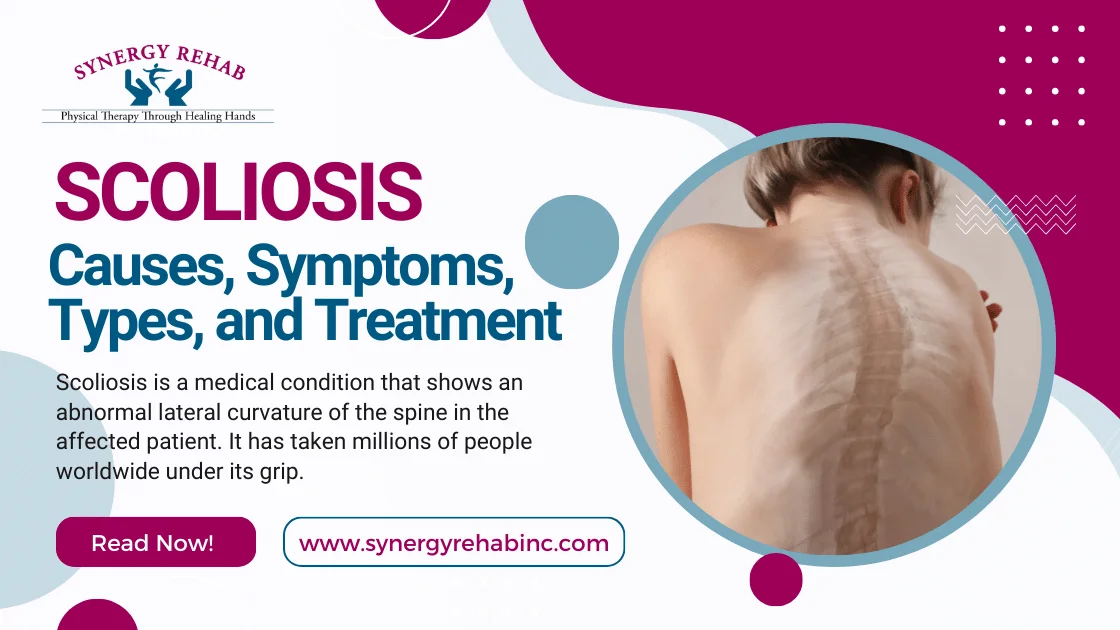
Scoliosis: Causes, Symptoms, Types, and Treatment
Scoliosis is a medical condition that shows an abnormal lateral curvature of the spine in the affected patient. It has taken millions of people worldwide under its grip. It is time to explore the various aspects of scoliosis, focusing on nonsurgical scoliosis treatment options. Let us check the causes, symptoms, types, and effective methods for scoliosis pain relief and curved spine treatment. Do not miss reading this comprehensive guide until the end, as it’s intended to provide valuable insights to patients, caregivers, or people interested in learning more about scoliosis treatment. Understanding Scoliosis Causes of Scoliosis Scoliosis can develop for various reasons, and understanding these causes is important if an effective treatment is to be developed. Symptoms of Scoliosis Scoliosis symptoms are very different from patient to patient, depending on the severity of the curvature and the individual’s age. Common symptoms include: Types of Scoliosis Understanding the different types of scoliosis is crucial for determining the most appropriate treatment plan. Each type of scoliosis affects different regions of the spine and may present unique challenges. Nonsurgical Scoliosis Treatment Nonsurgical scoliosis treatment is often the first line of defence for managing this condition, particularly in mild to moderate cases. The primary objective of these treatments is to reduce pain, improve function, and prevent further curvature progression. Physical Therapy: The Optimal Solution for Scoliosis Treatment Physical therapy has proven to be one of the best nonsurgical treatments for scoliosis. It offers a holistic approach to managing and improving scoliosis symptoms. Unlike other treatments that focus solely on symptom relief, physical therapy addresses the root cause of scoliosis by strengthening the muscles supporting the spine, improving flexibility, and enhancing overall spinal health. This comprehensive approach alleviates pain and helps prevent further curvature progression, making it an essential component of scoliosis treatment and management. Physical Therapy for Back Pain A physical therapist can design a customized exercise program for back pain to strengthen the muscles and reduce the pain caused by scoliosis. Key components of physical therapy for scoliosis include: Bracing Bracing is often recommended for adolescents with scoliosis who are still growing. The goal of bracing is to prevent further curvature progression. Modern braces are more comfortable and less noticeable than older models, improving compliance and effectiveness. Customized Treatment Plans One of physical therapy’s greatest advantages is the ability to create customized treatment plans tailored to each patient’s unique needs. Physical therapists for back pain work closely with patients to assess their condition and develop a personalized exercise regimen. This includes stretching exercises to improve flexibility, strengthening exercises to support the spine, and postural training to correct misalignments. By focusing on each patient’s individual needs, physical therapy ensures the most effective treatment and long-term results for scoliosis pain relief. Evidence-Based Benefits Research consistently supports the benefits of physical therapy for scoliosis. Studies have shown that specific exercise programs can significantly reduce pain and improve spinal alignment in scoliosis patients. For instance, a study published in the Journal of Physical Therapy Science demonstrated that targeted exercises substantially improved pain levels and posture among participants. This evidence highlights the importance of physical therapy as a cornerstone of nonsurgical scoliosis treatment. Preventing Further Progression Physical therapy helps manage current symptoms and also prevents the progression of spinal curvature. Through regular exercise and strength training, patients can maintain a healthier spine, reducing the risk of their condition worsening over time. This proactive approach is especially important for adolescents, who are still growing and may be at higher risk of curve progression. Patients who include physical therapy in their treatment plan can achieve better long-term outcomes and maintain a higher quality of life. Lifestyle Modifications Certain lifestyle changes can significantly impact the effectiveness of scoliosis treatment. These include: Medical Studies and Evidence Several studies have highlighted the effectiveness of nonsurgical treatments for scoliosis. For example, a study published in the Journal of Physical Therapy Science found that manual therapy exercise programs specifically designed for scoliosis patients significantly reduced pain and improved spinal alignment. Another study in Spine Journal emphasized the benefits of bracing in preventing curve progression in adolescents with idiopathic scoliosis. Way Forward Nonsurgical scoliosis treatment offers a range of options for managing this condition effectively. From physical therapy and bracing to lifestyle modifications, patients have numerous tools at their disposal for scoliosis pain relief and curved spine treatment. Understanding the causes, symptoms, and types of scoliosis is crucial in seeking appropriate treatment and achieving the best possible outcomes. If you or a loved one is experiencing symptoms of scoliosis and seeking professional care, consider Synergy Rehab in Southfield, Michigan. Our experienced physical therapists specialize in personalized, nonsurgical scoliosis treatment plans designed to alleviate pain, improve posture, and enhance your quality of life. Book your appointment today and take the first step toward effective scoliosis treatment and management.

Bursitis in Shoulder: Causes, Symptoms and Treatments
Bursitis in shoulder can be a real pain, quite literally. This condition, often caused by repetitive motions or prolonged pressure, can make simple activities challenging and uncomfortable. However, by understanding the ins and outs of bursitis in the shoulder, including its causes, symptoms, and treatments, you can take control and effectively manage the condition, bringing much-needed relief. What is Bursitis in the Shoulder? Bursitis in the shoulder occurs when the bursae, these small fluid-filled sacs that act as cushions, become inflamed. They’re like the shock absorbers of your shoulder, that cushion the bones, tendons, and muscles near your joints. When inflamed, this smooth movement is disrupted, leading to pain and stiffness that can significantly restrict your daily tasks. Causes of Bursitis in the Shoulder The most common cause of shoulder bursitis is repetitive motion or overuse of the shoulder joint. This can occur in activities that require frequent overhead movements, such as painting, swimming, or playing tennis. However, it’s not just these activities that can lead to bursitis. Other potential causes include trauma, poor posture, and the natural aging process. Trauma: A sudden injury to the shoulder, such as a fall or a blow, can lead to bursitis. The trauma causes immediate inflammation of the bursae. Poor Posture: Having a habit to be in a poor posture for longer hours while sitting or standing, can strain the shoulder joint. This type can lead to major inflammation when the posture has been wrong for a long time. Age: Our tendons and bursae become less elastic as we age, making them more susceptible to inflammation. Degenerative changes in the shoulder joint can also contribute to the development of bursitis. Underlying Conditions: Conditions like rheumatoid arthritis, gout, or diabetes can increase the risk of bursitis. These conditions can cause systemic inflammation or metabolic changes that affect the bursae. Symptoms of Bursitis in Shoulder Recognizing the symptoms of shoulder bursitis is the first step toward seeking appropriate treatment. Common symptoms include: Pain: Sharp or shooting pain, especially when lifting the arm overhead. This pain can be persistent and may worsen with movement or pressure. Swelling: Visible swelling or tenderness around the shoulder joint. The area may appear red and feel warm to the touch. Limited Mobility: Difficulty moving the shoulder or arm without pain. You might find it hard to perform everyday tasks like reaching for objects or getting dressed. Weakness: A feeling of weakness in the shoulder or arm. This can result from both pain and reduced use of the affected arm. Shoulder Bursitis Treatment Options Several options are available for treating bursitis in the shoulder. However, physical therapy, particularly manual therapy, is an effective and non-invasive approach. Physical Therapy for Shoulder Bursitis Physical therapy is a cornerstone in the treatment of shoulder bursitis. A tailored shoulder pain physical therapy program can help reduce pain, improve mobility, and prevent future occurrences. Key components of physical therapy for shoulder bursitis include: Manual Therapy: Hands-on techniques that include massage, joint mobilization, and manipulation to reduce pain and improve function. Physical therapists use their hands to apply pressure and manipulate the muscles and joints, which helps alleviate pain and restore movement. Exercise Therapy involves strengthening and stretching exercises to restore range of motion and build shoulder strength. These exercises improve flexibility, reduce stiffness, and enhance muscle support around the shoulder joint. Modalities: Ultrasound, electrical stimulation, and ice or heat packs can alleviate pain and inflammation. These modalities can provide immediate relief and help in the overall healing process. Manual Therapy Techniques Manual therapy involves specific, skilled hand movements to manipulate muscles and joints. These techniques are particularly beneficial for bursitis shoulder pain because they help reduce muscle tension, improve blood flow, and enhance joint mobility. Here are some manual therapy techniques commonly used: Myofascial Release: A technique that targets the connective tissue to alleviate pain and restore movement. This involves applying gentle pressure and stretching the fascia, relieving tension and improving flexibility. Joint Mobilization: Gentle movements to increase joint mobility and reduce stiffness. This technique helps loosen tight joints and improves their range of motion. Soft Tissue Mobilization: Focuses on reducing muscle tension and promoting relaxation in the affected area. This involves massaging and manipulating the soft tissues around the shoulder to relieve pain and enhance movement. Home Remedies and Lifestyle Changes In addition to professional treatment, certain home remedies and lifestyle changes can help manage bursitis shoulder pain: Rest: Avoid activities that aggravate the pain to allow the bursae to heal. Rest is crucial to prevent further irritation and inflammation. Ice Therapy: Applying ice packs to the shoulder can reduce inflammation and numb the pain. Ice should be applied for 15-20 minutes several times a day. Proper Posture: Maintaining good posture can prevent additional strain on the shoulder. Being mindful of your posture, especially during prolonged activities, can help reduce the risk of bursitis. Ergonomic Adjustments: Modify your workspace or activity patterns to reduce repetitive stress on the shoulder. Using ergonomic tools and adjusting your work environment can help alleviate pressure on the shoulder joint. Preventing Shoulder Bursitis Prevention is always better than cure. Here are some tips to prevent bursitis in the shoulder: Warm-Up: Always warm up before engaging in physical activities. Warming up prepares your muscles and joints for activity, reducing the risk of injury. Strength Training: Incorporate exercises that strengthen the shoulder muscles. Strong muscles provide better support to the shoulder joint, reducing the likelihood of bursitis. Take Breaks: Avoid prolonged repetitive movements and take regular breaks. Breaks allow your muscles and joints to rest and recover. Posture: Maintain good posture during activities to reduce stress on the shoulder. Proper body alignment reduces strain on the shoulders and prevents bursitis. The Final Thoughts Bursitis in the shoulder can be debilitating, but it can be effectively managed with the right approach. Physical therapy, especially manual therapy, offers a non-invasive and holistic treatment option. If you’re struggling with shoulder bursitis, consider consulting a physical therapist who can tailor a treatment plan for shoulder
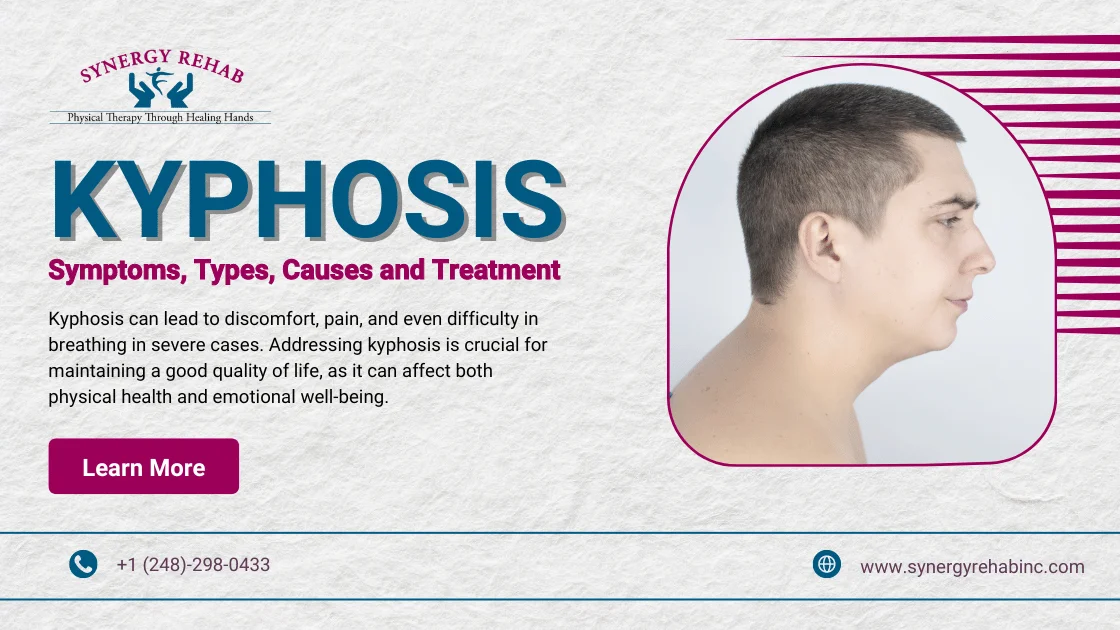
Kyphosis – Symptoms, Types, Causes and Treatment
Kyphosis (pronounced: kye-Foh-sis), commonly known as a “Rounded upper back” or “Hunchback,” is a condition characterized by an excessive outward curvature of the spine. This condition can lead to discomfort, pain, and even difficulty in breathing in severe cases. Addressing kyphosis is crucial for maintaining a good quality of life, as it can affect both physical health and emotional well-being. Physical therapy is one of the best Kyphosis treatment options, and it provides relief to many. Only extremely severe conditions may need surgical intervention. Let us understand the condition, its symptoms, causes and treatment in detail. What Are the Signs & Symptoms of Kyphosis? The main signs & symptoms of kyphosis are: Early Detection and Diagnosis Early detection of kyphosis is essential for effective treatment. Regular check-ups and awareness of these signs can help diagnose kyphosis early. If you notice any of these symptoms, it is important to consult a healthcare provider or Tapan Raut, the best physical therapist in Southfield, MI, for a thorough evaluation and appropriate treatment plan. Book Free Consultation What Are the Types of Kyphosis? Postural Kyphosis: This is usually caused by poor posture, such as slouching or hunching over for long periods. Common in teenagers and young adults, this type features a smooth, flexible curvature that can often be corrected with improved posture and exercises. Symptoms include mild back pain and a noticeable curvature that corrects when lying down.Treatment involves posture correction, stretching, strengthening exercises, and physical therapy. Scheuermann’s Kyphosis: This developmental disorder occurs when the vertebrae grow unevenly, leading to a wedge shape. Typically developing during adolescence, this type has a rigid, angular curve. Symptoms include severe back pain, a prominent hump, and reduced flexibility.Treatment may include physical therapy, back braces, and, in severe cases, surgery to correct the spine. Congenital Kyphosis: Present at birth due to abnormal spinal development during fetal growth; this progressive curvature worsens as the child grows, often leading to severe deformities. Symptoms are noticeable early in life and worsen over time. What are the Causes of Kyphosis? Poor Posture: Poor posture, such as slouching, hunching over desks, and prolonged use of electronic devices, is a common cause of kyphosis, especially postural kyphosis. This type is often seen in teenagers and young adults and results from habits that lead to an abnormal curvature of the spine. Degenerative Diseases: Age-related degenerative diseases, such as arthritis and degenerative disc disease, cause the deterioration of spinal discs and joints. Osteoporosis, which weakens the bones, can cause vertebrae to collapse, leading to abnormal spine curvature and kyphosis, particularly in older adults. Spinal Fractures: Trauma to the spine, including fractures from accidents or injuries, can result in kyphosis. When multiple vertebrae are damaged, the spine may heal with an abnormal curvature. Osteoporotic fractures are especially common in older adults and contribute significantly to the development of kyphosis. Congenital Factors: Congenital kyphosis occurs due to malformations in the spine that develop before birth. These abnormalities in vertebral formation can lead to progressive curvature as the child grows. This type of kyphosis often requires surgical intervention to correct the spine and prevent further complications. Other Medical Conditions: Several medical conditions can also lead to kyphosis. Spinal infections, such as tuberculosis, can damage vertebrae and cause curvature. Neuromuscular conditions, like muscular dystrophy, weaken the spinal muscles, leading to abnormal spine curvature.Additionally, nutritional deficiencies, particularly a lack of Vitamin D, can weaken bones and contribute to kyphosis. How is Kyphosis Diagnosed? Physical Examination: The physician will check the patient’s posture and spinal alignment. The patient may be asked to bend forward and sideways to assess the spine’s flexibility and curvature. X-rays and MRI: X-rays are the primary tool for diagnosing kyphosis, providing detailed images to measure spinal curvature and identify abnormalities. If more detailed information is needed, an MRI scan may be needed to examine the spinal cord thoroughly, as well as the nerves or soft tissues. How is Kyphosis Treated? There are two major ways to treat kyphosis: Physical Therapy: Customized stretches and workouts help reduce discomfort, strengthen back muscles, and enhance posture. When treating mild to severe kyphosis, physical therapy is frequently the primary course of action for back pain treatment. Bracing: Wearing a back brace can help children and adolescents with Scheuermann’s kyphosis avoid developing additional curvature as they grow. Usually, bracing is advised for people whose bones are still growing. Can Kyphosis Turn Into Scoliosis? No. Your spine can be affected by both scoliosis and kyphosis. Although they might occur simultaneously, one does not trigger the other. The abnormal spine bending from front to back is known as kyphosis. The abnormal curvature of the spine, either horizontally or from left to right, is known as scoliosis. Why Doctors Recommend Physical Therapy for Kyphosis Treatment Physical therapy is a highly effective and non-invasive treatment option for kyphosis. Here are several reasons why it is a preferred choice: Improves Posture: Physical therapy focuses on correcting poor posture, a common cause of postural kyphosis. Through targeted exercises and stretches, physical therapists help patients develop better posture habits, which can significantly reduce spinal curvature. Reduces Pain: Therapeutic exercises and manual therapy techniques used in physical therapy can effectively relieve back pain and muscle tension associated with kyphosis. This leads to an improved quality of life and better overall function. Customized Treatment Plans: Physical therapists create individualized treatment plans tailored to each patient’s specific needs and conditions. This personalized approach ensures that the exercises and therapies are suitable and effective for the patient’s particular type of kyphosis and overall health. Visit Synergy Rehab Physical Therapy for Kyphosis Treatment If you’re struggling with kyphosis, Synergy Rehab offers comprehensive kyphosis treatment options to help you manage and improve your condition. Our expert team provides personalized care, utilizing the latest back pain physical therapy techniques to address your specific needs. Take the first step towards better spinal health and improved quality of life. Book a consultation with Synergy Rehab today and start your journey to a healthier spine.
Torticollis in Adults: Causes, Symptoms, and Treatments
Torticollis, often referred to as “twisted neck” or “wry neck” is a condition that leads to an abnormal, asymmetrical head or neck position, which can cause significant discomfort and neck pain. This blog explores the symptoms, causes, treatments, and preventive measures for torticollis in adults, with a special emphasis on the role of neck pain physical therapy. Understanding these elements can help patients manage and treat their conditions effectively. What is Torticollis? Torticollis is a condition in which patients keep their head tilted to one side, often away from the affected side. Torticollis has various causes, ranging from congenital structural abnormalities to acquired muscle or nerve dysfunction. In adults, torticollis can particularly impact daily activities and contribute to ongoing neck pain. Symptoms of Torticollis in Adults The primary symptom of torticollis is an obvious and abnormal positioning of the head. However, several other symptoms can accompany this condition: Causes of Torticollis in Adults Torticollis, a complex condition affecting the neck muscles, has two types: congenital and acquired. Each type has distinct origins and mechanisms, which are essential to understanding for effective management and treatment. Congenital Torticollis Congenital torticollis, also known as “infantile torticollis,” appears in infants often due to positioning in the womb or complications during birth that affect muscle development in the neck. Here are some detailed factors contributing to congenital torticollis: Intrauterine Malposition: Limited space in the womb can force the foetus into an awkward position, causing excessive pressure on the neck muscles, particularly the sternocleidomastoid muscle, which can lead to its shortening. Fibrosis of the Sternocleidomastoid Muscle: This is the most common cause of congenital torticollis. The muscle may sustain damage, resulting in scar tissue, which shortens and tightens the muscle, pulling the head towards the affected side. Birth Trauma: Difficult births, especially those requiring interventions like forceps or vacuum extraction, can lead to muscle or nerve damage in the neck of the newborn. Genetic Factors: While less common, there can be genetic influences that predispose infants to muscle abnormalities that lead to torticollis. These factors often require early intervention, typically involving gentle stretching exercises, physical therapy for neck pain, and, in some rare cases, surgical procedures to release tight muscles. Acquired Torticollis in Adults Image Source: Motivationaldoc Acquired torticollis occurs later in life and can be triggered by several different factors, which can vary greatly in severity: Trauma: Sudden head or neck injuries, such as those from car accidents or falls, can damage the cervical spine and associated muscles, leading to torticollis. Such trauma can induce inflammation or direct injury to the neck muscles or ligaments. Adverse Reactions to Medications: Certain medications, particularly those that affect neurotransmitter levels like dopamine, can cause dystonic reactions. These reactions can lead to abnormal neck postures, a condition often referred to as drug-induced torticollis. Infections: Bacterial or viral infections can involve the neck’s lymph nodes, muscles, or vertebrae. An example is a retropharyngeal abscess, which can cause the neck muscles to spasm and tilt the head. Neurological Disorders: Conditions affecting the brain, spinal cord, or nerves, such as cervical dystonia or Parkinson’s disease, can cause persistent muscle contractions leading to chronic torticollis. Degenerative Spinal Diseases: Diseases like cervical disc degeneration or arthritis can indirectly lead to torticollis due to the uneven stress on neck muscles as the body tries to compensate for the pain or structural changes in the spine. Managing acquired torticollis involves treating the underlying cause, which may include medications to reduce inflammation, pain, and muscle spasms, and physical therapy for neck pain to restore mobility and strengthen muscles. At times, physical therapy helps to avoid surgery altogether. Understanding the specific causes and mechanisms of torticollis is crucial for diagnosing and devising effective treatment plans. Although arising from different origins, both types of torticollis significantly impact the affected individual’s quality of life and, as such, require tailored approaches in management and intervention. Torticollis Treatment in Adults Twisted neck treatment options vary based on the severity and underlying cause of torticollis but typically include the following approaches: Medication Nonsteroidal anti-inflammatory drugs (NSAIDs) or muscle relaxants can help reduce pain and muscle activity. Physical Therapy Physical therapy is a cornerstone of treatment for torticollis in adults and is particularly effective in managing neck pain. Therapists may employ techniques such as: Role of Physical Therapy in Managing Torticollis Physical therapy plays a pivotal role in the treatment of torticollis by addressing the direct symptoms and underlying causes of the condition. A tailored physical therapy for neck pain program can offer several benefits: Alleviation of Pain and Discomfort: Through therapeutic exercises and modalities such as heat or ice applications, TENS (transcutaneous electrical nerve stimulation), and ultrasound therapy. Improvement in Mobility: Stretching and strengthening exercises enhance the range of motion and strength of neck muscles. Correction of Postural Issues: Educating patients on proper posture to reduce stress on the cervical spine. Physical therapy strengthens neck muscles and improves flexibility, helping to treat existing symptoms and prevent the recurrence of torticollis. Prevention of Torticollis Preventing torticollis primarily involves maintaining good neck health and posture. Regular exercise, ergonomic adjustments in the workplace, and being mindful of neck positions during daily activities can significantly reduce the risk. Additionally, treating any minor neck injuries promptly and effectively can prevent them from developing into more severe conditions. Final Thoughts While potentially debilitating, torticollis can be effectively managed with the right combination of twisted neck treatment through physical therapy. If you’re experiencing symptoms of torticollis, such as persistent neck pain or abnormal head posture, it’s crucial to seek professional medical advice. This detailed exploration of torticollis should empower individuals suffering from this condition with the knowledge they need to seek effective treatment and manage their symptoms proficiently. At Synergy Rehab, we specialize in neck pain physical therapy and treating conditions like torticollis. Our team of experienced physical therapists is dedicated to providing personalized care to help you regain comfort and functionality. Don’t let neck pain hold you back. Contact Synergy Rehab today and take the first step towards
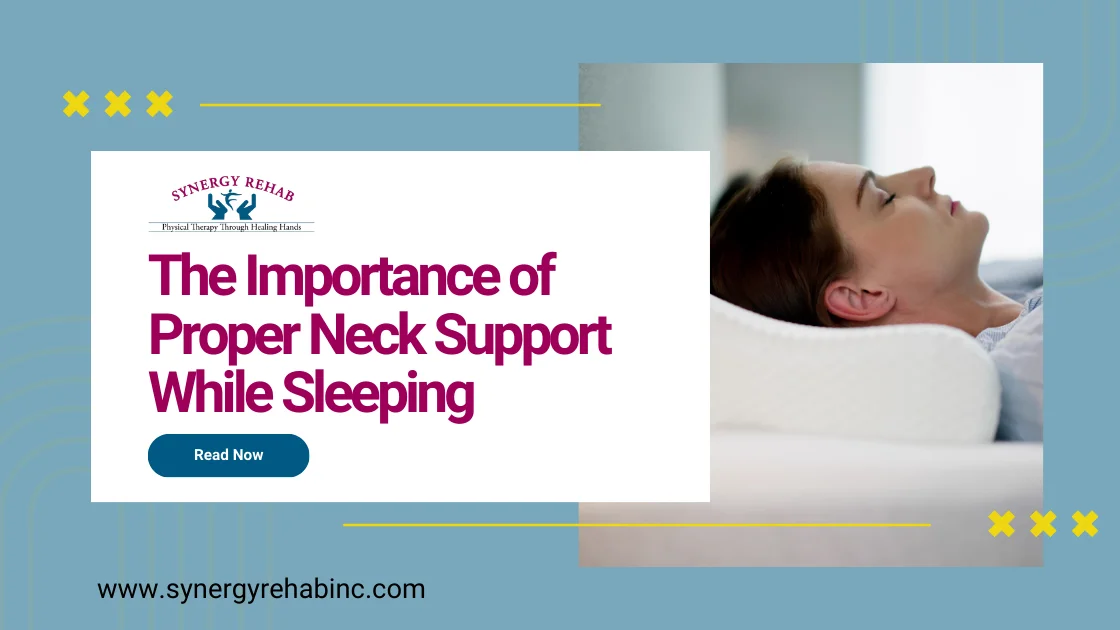
The Importance of Proper Neck Support While Sleeping
Getting a good night’s sleep is essential for both physical and mental health, but if you wake up with a stiff or sore neck, it might be time to reevaluate how well your sleeping environment supports your cervical spine. Proper neck support while sleeping is not just about comfort; it’s about preventing neck pain and ensuring overall spine health. By adopting the right practices, you can significantly improve your sleep quality and overall well-being. Understanding Neck Support While Sleeping Your neck, or cervical spine, is a remarkable structure. It’s made up of seven small vertebrae and is the most flexible part of your spine. It carries the weight of your head, which is, on average, about 12 pounds, and allows you a significant range of motion. It also protects the nerves running from your brain to the rest of your body. However, due to its flexibility and role, the neck is particularly vulnerable to pain and injury. This vulnerability highlights the crucial need for proper neck support while sleeping to mitigate these risks. Why is Neck Support Important? Without the necessary support, the cervical spine may not align correctly during sleep. This misalignment can strain your neck muscles, leading to stiffness and pain upon waking. More alarmingly, it can also result in serious issues like nerve compression and decreased blood flow to your brain, which can significantly impact your overall health and well-being. How to Achieve Proper Neck Support Here are some actionable tips to ensure you’re providing your neck with the support it needs during sleep: 1. Choose the Right Pillow Type of Pillow: Memory foam, feather, and cervical pillows are popular choices that provide good neck support while sleeping. Memory foam contours to the shape of your head and neck, feather pillows offer soft, adjustable support, and cervical pillows are specifically designed to maintain the natural curve of your neck. Pillow Height: The ideal pillow height keeps your neck in a ‘neutral position ‘, which means your neck is aligned with your spine, neither tilted upwards nor downwards. Generally, the pillow should be about 4 to 6 inches high to properly support the neck without angling the head upwards or downwards. 2. Sleeping Position Matters Back Sleepers: In addition to your regular pillow under your head, place a small pillow or a specially designed roll under your neck. This setup helps maintain your neck’s natural curve. Side Sleepers: Your pillow should be high enough to keep your head in line with your spine. You can also consider placing a small pillow between your knees to align further and support your spine. Stomach Sleepers: Sleeping on your stomach is tough on your neck. If possible, try to shift to another sleeping position. If you must sleep on your stomach, use a very thin pillow or no pillow under your head to keep your neck as neutral as possible. 3. Modify Your Environment Mattress Quality: A supportive mattress that maintains the spine’s natural alignment is just as important as the right pillow. Temperature and Humidity: Maintain a comfortable sleeping environment. Excessive cold or humidity can cause neck muscles to tighten or spasm. Physical Therapy for Neck Pain Physical therapy is often recommended for individuals suffering from neck pain caused by poor neck support while sleeping or other issues. A targeted physical therapy program can help reduce neck pain, restore function, and provide education on proper neck posture and ergonomics. Key Components of Neck Pain Physical Therapy Initial Assessment A physical therapist will start by assessing your posture, neck mobility, and daily activity patterns. This evaluation helps identify the specific causes of your neck pain. Pain Management Techniques Manual Therapy: Techniques such as massage, mobilization, and manipulation to relieve pain and improve function. Traction: Gently stretching the neck can reduce pressure on the cervical discs and enhance healing. Cold and Heat Therapy: Applying ice packs and heat pads alternatively can help reduce inflammation and muscle spasms. Strengthening and Flexibility Exercises Posture Education Learning how to adjust your posture can significantly reduce cervical strain. This includes tips on how to maintain a healthy neck posture while sitting, standing, and walking. Ergonomic advice to optimize your workplace setup, such as the correct height and position of your computer screen, which can prevent neck strain. Functional Training Techniques that help you carry out your daily activities with minimal neck strain. This can include learning new ways to bend, lift, and sit that support neck health. Home Exercise Program Most physical therapy programs for neck pain include a set of exercises that patients can do at home. These are designed to complement the treatments received during physical therapy sessions and speed up the healing process. Benefits of Physical Therapy Reduced Pain and Discomfort: Regularly performing prescribed physical therapy exercises can reduce symptoms of pain and discomfort from poor neck support while sleeping or other injuries. Increased Mobility: Physical therapy helps loosen tight muscles and stiff joints, thereby increasing the range of motion of the neck. Prevention of Further Issues: Physical therapy can prevent future neck pain by improving posture and strengthening neck muscles. Incorporating these physical therapy approaches can be a game-changer in managing and resolving neck pain. For those who suffer from chronic discomfort or acute pain as a result of inadequate neck support while sleeping, consulting with a qualified physical therapist could provide the relief and solutions needed to enjoy a pain-free life. Neck Pain Relief Techniques If you already suffer from neck pain, consider these additional tips to alleviate discomfort: Heat Therapy: Apply a warm compress to your neck before bed to help reduce muscle tension and promote relaxation. Massage: Regular neck massages can help relieve tension and improve circulation, providing significant neck pain relief. Conclusion Neck support while sleeping is a small aspect of sleep hygiene that can have a big impact on how you feel every day. By optimizing your sleeping environment and routine, you can enhance neck health, improve your sleep quality, and potentially eliminate the need for
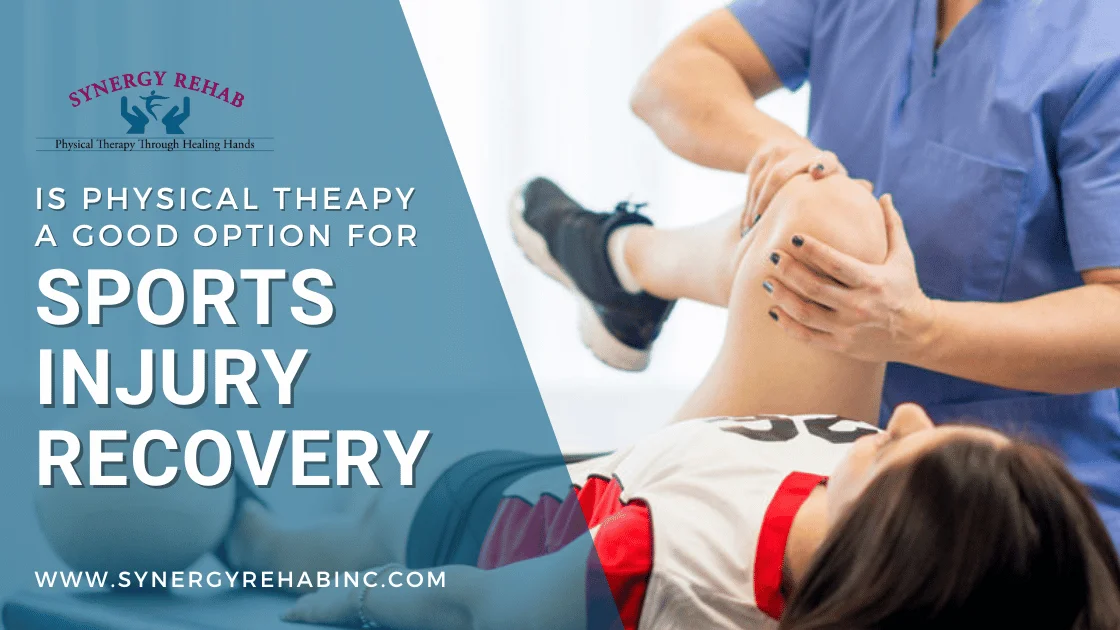
Is Physical Therapy a Good Option for Sports Injury Recovery?
Sports are a great way to stay active and healthy, but unfortunately, injuries are part of the game. From sprains and strains to more serious conditions like ACL tears, the road to recovery can be long if not managed correctly. The right approach to sports injury recovery is crucial not only to heal the body but also to prevent future injuries. What is Physical Therapy? Physical therapy is a specialized treatment aimed at alleviating pain and restoring function after injuries or surgeries. For athletes, the key to effective recovery lies in the individualized nature of physical therapy. It is tailored to meet their specific needs, focusing on their unique injuries and the demands of the sport they participate in. This form of therapy often includes a combination of manual therapy, exercises, and sometimes, advanced modalities like ultrasound or electrical stimulation. Techniques and Tools Used in Physical Therapy Physical therapy for sports injury treatment employs a variety of techniques and tools designed specifically for sports injury recovery. Through manual therapy, including massage and manipulation, therapists gently alleviate pain and enhance mobility. Exercise-based rehabilitation tailors exercise to each athlete, focusing on strengthening muscles, boosting flexibility, and ensuring joint stability. In addition to these, advanced modalities such as ultrasound therapy and electrical stimulation play a crucial role. They are utilized to decrease inflammation, support muscle function, and expedite the recovery process, ensuring a compassionate and effective treatment approach. Benefits of Physical Therapy for Sports Injury Physical therapy offers numerous benefits for sports injury recovery, including: Accelerated Healing: Physical therapy can speed up the healing process by targeting specific areas and using tailored techniques. Pain Reduction: Therapies used in treatment can effectively reduce pain and swelling, making the recovery more comfortable. Restored Function and Mobility: Physical therapy helps athletes regain strength and flexibility, restoring function to pre-injury levels. Injury Prevention: Physical therapists also provide guidance on how to avoid future injuries by focusing on proper techniques and strengthening key areas. Comparing Physical Therapy for Sports Injury with Other Treatment Options When considering treatment for sports injuries, it’s important to weigh the benefits and drawbacks of each option. Here are some key points of differentiation: Surgery: Physical Therapy: Home Remedies: While each option has its place in sports injury treatment, physical therapy offers a balanced approach that combines safety, effectiveness, and personalization, making it a preferred choice for many athletes and active individuals. When to Choose Physical Therapy Physical therapy is advisable for most sports injuries, especially when they limit function or extend beyond minor aches and pains. Consulting with a physical therapist can provide a tailored plan that aligns with your specific sports requirements and recovery goals. How to Get Started with Physical Therapy for Sports Injury Treatment To begin with physical therapy, look for a licensed physical therapy practitioner specializing in sports injuries. Your first session will likely involve an assessment by an experienced physical therapist to determine the best course of treatment tailored to your specific needs. Key Take Away Physical therapy is a highly effective option for recovering from sports injuries. It not only aids in quick recovery but also enhances performance by fortifying the body against future injuries. If you’re dealing with a sports injury, consider physical therapy a cornerstone of your recovery strategy. Schedule Your Consultation Today Don’t let a sports injury set you back. Contact skilled physical therapists for sports injuries at Synergy Rehab, Southfield, today to start your recovery journey and return to your sport stronger than ever! FAQs on Physical Therapy for Sports Injury Recovery 1. How long does physical therapy take for sports injuries? The duration of physical therapy for sports injuries varies depending on the severity of the injury and the individual’s response to treatment. Typically, therapy can last from a few weeks to several months. 2. Can physical therapy alone heal sports injuries? Physical therapy is sufficient for many injuries to promote healing and restore function. However, some severe injuries may require medical interventions such as surgery followed by physical therapy for complete sports injury recovery. 3. Is physical therapy painful? Physical therapy is designed to alleviate pain from injuries, not cause it. While some discomfort may be experienced as you begin to work muscles and joints that haven’t been used post-injury, a physical therapist will tailor the program to ensure it is manageable and within your pain tolerance. 4. What should I wear to my physical therapy sessions? It is best to wear comfortable, loose-fitting clothing that allows free movement and gives access to the injured area. Athletic wear that you might use for workouts is usually appropriate. 5. Can I do physical therapy on my own at home? A physical therapist can give you exercises to do at home as part of your treatment plan. However, these at-home exercises should complement, not replace, your sessions with a physical therapist to ensure your recovery process is properly monitored and adjusted as needed.
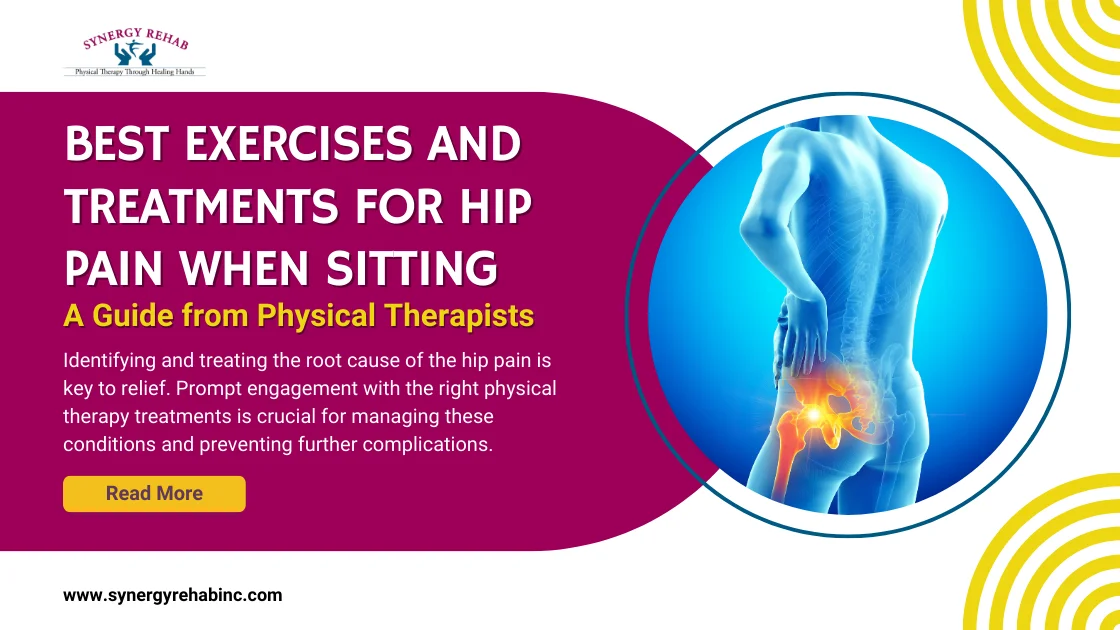
Best Exercises and Treatments for Hip Pain When Sitting – A Guide from Physical Therapists
If sitting at your desk, in the car, or even on the couch triggers sharp hip pain, you’re not alone. “Hip pain when sitting” is one of the most common complaints we see at Synergy Rehab — and it often signals tight hip flexors, weak glutes, or inflammation deep in the joint. The good news? With targeted physical therapy and posture correction, you can sit pain-free again. Recognizing Hip Pain While Sitting The hip joint, one of the body’s largest joints, supports the weight of the upper body, providing stability while allowing for a wide range of motion. Pain in this area can arise from various factors, including poor posture, prolonged periods of sitting, overuse, or underlying health conditions such as arthritis or bursitis. Image Source: Cleveland Clinic If you have pain or discomfort when sitting in your groin area or inside your hip, it may be a sign of a hip bone or joint health problem. Why Does My Hip Hurt When I Sit? Multiple things may cause your hip soreness. This guide will provide you with information on controlling or reducing hip pain as well as assistance in understanding these possible reasons. Hip Bursitis: Bursae are small, fluid-filled sacs that provide cushioning for bones and tendons. When these become inflamed, it can lead to sharp or achy pain in the hip area, especially when lying down or pressing on the affected side. Poor Posture: Sitting or standing with poor posture can lead to hip pain over time. Slouching or hunching forward puts extra pressure on the hip joints, leading to strain and discomfort. Maintaining a neutral spine position helps distribute body weight evenly, reducing stress on the hips. Tendinitis: The tendons, which are thick bands connecting muscles to bones, can become inflamed due to overuse or strain. This inflammation, known as tendinitis, causes pain and tenderness outside the hip joint. Crossing Your Legs: Regularly crossing your legs while sitting can contribute to hip pain by altering the alignment of your hips and pelvis. This habit can strain the muscles and ligaments around the hip joint, leading to imbalances and discomfort. Lupus: An autoimmune disease where the body’s immune system attacks its own tissues, causing widespread inflammation. This can affect various parts of the body, including the hip joint, leading to pain and stiffness. Piriformis Syndrome: This occurs when the piriformis muscle, located in the buttocks near the top of the hip joint, irritates or compresses the sciatic nerve. Symptoms include pain, tingling, or numbness in the buttocks that can extend down the leg. Arthritis: This condition is characterized by the wearing down of cartilage in the hip joint, leading to pain and stiffness. Over time, arthritis can cause the joint to become inflamed and sore, making movement challenging. The hip joint can be affected by various types of arthritis, including: Symptoms of Hip Pain Symptoms of hip pain can vary but typically include: Why are my Hips Stiff After Sitting? Hips can become stiff after sitting due to prolonged inactivity, leading to tightened muscles and restricted blood flow around the hip joint. As we get older, the cartilage in the hip joint may wear down, and muscles tend to lose their elasticity, leading to increased stiffness. Additionally, conditions like osteoarthritis become more common with age, further exacerbating hip stiffness and discomfort. Regular physical activity, stretching, and maintaining a healthy lifestyle can help manage and alleviate these age-related changes. How to Manage Hip Pain When Sitting Managing hip pain while sitting involves adopting the correct posture and engaging in regular, targeted exercises. These strategies help reduce the stress on your hips, enhancing comfort and mobility during prolonged periods of sitting. To manage hip pain effectively when sitting: Adjust Your Sitting Posture: Achieving and maintaining a proper sitting posture helps distribute your body weight evenly, reducing undue stress on your hip joints. Ensuring your feet are flat and your pelvis is neutral helps prevent hip tilt and strain. Get Comfortable Seating An ergonomic chair supports your body’s natural posture, particularly your spinal curves, and keeps your hips at an optimal angle, reducing the risk of developing pain due to poor sitting habits. Take Frequent Breaks: Regularly standing up and engaging in simple stretches or walks can boost blood flow, decrease muscle stiffness, and prevent hip pain associated with prolonged sitting. Do Strengthening Exercises: Exercises focusing on hip flexors, glutes, and core can fortify the muscles around your hips, offering better support and reducing the likelihood of pain. Heat/Cold Therapy: Applying heat helps relax tight muscles, while cold therapy can reduce inflammation and pain. This therapeutic approach provides immediate relief and can be easily incorporated into your daily routine. Use Mindful Sitting: Being mindful of your sitting habits, like avoiding crossing your legs or sitting on uneven surfaces, can help maintain proper hip alignment and prevent pain from developing or worsening. Get Physical Therapy: Engaging in regular physical activity helps maintain joint lubrication and strengthens muscles around the hips, easing strain. Physical therapists can assess your condition and prescribe specific exercises for improvement. Why Doctors Recommend Physical Therapy for Hip Pain when Sitting Doctors highly recommend physical therapy for hip pain when sitting because it offers a holistic approach to addressing the underlying causes of discomfort. Physical therapists specialize in assessing musculoskeletal issues and designing personalized treatment plans to improve mobility, reduce pain, and enhance overall function. Here are some reasons why doctors commonly suggest physical therapy for hip pain while sitting: Personalized Care: Physical therapists create custom plans to address the specific issues causing hip pain while sitting, tailoring exercises to each person’s needs. Non-Surgical Option: Physical therapy provides a non-invasive way to manage hip pain without surgery or strong medications, making it a preferred choice for many. Better Movement: Through exercises and techniques, physical therapy aims to improve how well you can move your hips, reducing discomfort and making sitting easier. Learn Prevention: Physical therapists provide you advice on how to sit correctly and steer clear of activities
The Hidden Risk of Smartphones: How They Cause Repetitive Strain Injuries (RSI)
In the modern and constantly pacing lifestyles, smartphones have transcended their role as mere communication devices to become indispensable tools for work, entertainment, and social interaction. However, this convenience comes at a cost. The compact design and interactive touchscreens of smartphones necessitate repetitive motions—such as thumb swipes, finger taps, and prolonged gripping—that can exert undue strain on the muscles and tendons of the hand and wrist. Over time, these repetitive actions can manifest as Repetitive Strain Injuries (RSIs), a condition that was once predominantly associated with desktop computer use but is now increasingly linked to our handheld devices. What Causes RSI? The ergonomics—or lack thereof—of smartphone usage often goes unnoticed in daily life. We spend hours scrolling through social media, texting, and browsing the web with our hands fixed in unnatural positions. This constant, repetitive motion places stress on the same muscle groups and tendons without adequate rest, leading to inflammation, pain, and, in severe cases, long-term damage. The phenomenon is so widespread that it has given rise to new terms such as “text thumb” and “smartphone pinky,” underscoring the direct connection between smartphone use and the rise in Repetitive Strain Injuries. The Symptoms of RSI What makes RSIs particularly concerning is their insidious onset. Symptoms may start as a mild inconvenience—slight discomfort or a tingling sensation in the fingers—making it easy to overlook the initial warning signs. Other common symptoms include pain, numbness, and decreased range of motion, urging readers to heed these early warning signs. Without intervention, these symptoms can escalate into chronic pain, reduced hand mobility, and, in some cases, nerve damage that necessitates repetitive strain injury therapies or more intensive repetitive strain injury treatment. Science Behind Repetitive Strain Injuries The anatomy and mechanics of Repetitive Strain Injuries (RSIs) reveal why smartphones pose a significant risk. Continuous, minor movements required by smartphone use can cause substantial pain and dysfunction in muscles, nerves, and tendons over time. Here’s how it works: Continuous small movements are key contributors to Repetitive Strain Injuries. Smartphones demand repetitive tapping, increasing RSIs risk in users. RSIs affect muscles, nerves, and tendons through prolonged device interaction. Anatomy of strain injuries shows vulnerability of hand to smartphone use. Prevention requires ergonomic adjustments to minimize Repetitive Strain Injuries. Early detection and intervention are crucial for managing strain injury effects. How to Prevent Repetitive Strain Injuries Preventing Repetitive Strain Injuries (RSIs) from smartphone use requires mindful adjustments and ergonomic practices. Awareness and early recognition of RSIs enhance recovery outcomes and prevent further damage. How to prevent such injuries: Incorporate ergonomic principles to reduce Repetitive Strain Injuries risk Alternate fingers during smartphone use to distribute strain evenly Utilize voice commands to minimize tapping and repetitive movements Take regular breaks for hand stretching and resting to prevent RSIs Educate on smartphone-related health impacts for early RSI detection Seek Physical Therapy for RSI early to improve recovery. As we navigate the conveniences and challenges of the digital age, understanding the hidden risks associated with smartphone use is vital. By adopting healthier tech habits and integrating ergonomic practices into our daily routines, we can enjoy the benefits of connectivity without compromising our physical well-being. Innovative Tech Solutions for RSI The prevalence of Repetitive Strain Injuries (RSIs) has spotlighted the need for innovative tech solutions. This section explores the intersection of technology and health, introducing ergonomic devices and software designed to promote healthier smartphone use. By encouraging proper use and posture, these technological interventions aim to mitigate the risks associated with RSIs, underscoring the importance of Repetitive Strain Injury Treatment and Physical Therapy for RSI as part of a holistic approach to digital well-being. Here’s a list of some tech tools you can adapt to prevent the RSI: Ergonomic Gadgets: The Logitech Ergo M575 Wireless Trackball Mouse reduces wrist movement, lowering RSI risk. Specialized Apps: “Stretchly” prompts users to take micro-breaks and perform stretches, encouraging healthy habits. Voice Recognition Software: Google’s Voice Typing on Android devices helps minimize manual typing, reducing finger strain. Adjustable Stands and Holders: The Rain Design mStand Mobile raises the phone to eye level, promoting better posture. Wearable Technology: The Upright GO posture trainer vibrates gently to remind users to adjust their posture, promoting spinal health. The Psychological Impact of Strain Injuries Chronic pain from Repetitive Strain Injuries does more than just affect physical capabilities; it deeply influences one’s mental health. The persistent discomfort can lead to increased levels of stress, anxiety, and depression. This is due, in part, to the brain’s pain pathways, which are closely linked to the areas responsible for mood and stress regulation. Chronic pain can trigger a stress response, leading to elevated cortisol levels, which, over time, can affect mood, sleep, and overall mental well-being. Conversely, psychological stress can heighten the perception of pain, creating a vicious cycle that can be challenging to break. Understanding this bidirectional relationship is crucial for effective RSI management, highlighting the need for treatments that address both the physical and emotional aspects of pain. This is where physical therapy comes in. Physical Therapy for Repetitive Strain Injuries Physical therapy begins with an assessment leading to customized exercise regimens specifically designed to strengthen the muscles around the affected area, thereby reducing RSI symptoms. These exercises focus on gently building up the muscle without overexertion to avoid further strain. For example, if you’re dealing with wrist RSI, your therapist might include wrist flexor and extensor exercises. Here is a breakdown of the process of how physical therapy works to treat repetitive strain injuries. Stretching Routines Stretching routines are the cornerstone of Repetitive strain injury treatments, aimed at improving flexibility and promoting blood flow to the injured area, which is crucial for healing. Regularly performing targeted stretches can significantly reduce stiffness and pain. Tip: Integrate stretching into their daily routine, perhaps as a break during work hours, with examples like neck rolls and shoulder stretches for those spending long hours at a computer. Ergonomic Training Ergonomic training addresses the root cause of many RSIs, focusing on correct posture and the