

Neck Pain When Driving: Tips and Exercises to Prevent It
Picture this: you’re driving home after a long day, the traffic is crawling, and suddenly that dull ache creeps up the back of your neck. You roll your shoulders, stretch a bit, but it keeps coming back. That’s the thing about neck pain when driving; it sneaks in quietly. Whether you spend hours commuting to work or take frequent road trips, that subtle stiffness can turn into something chronic if ignored. But here’s the good news: it’s not inevitable. Most neck pain linked to driving comes down to posture, muscle fatigue, and habits you can actually change. As physical therapists at Synergy Rehab in Southfield, Michigan, we’ve helped countless patients fix this problem, not with pills or neck braces, but with awareness, movement, and simple, consistent corrections that protect your spine every time you drive. Why Does Neck Pain Happen When You Drive? Let’s break it down. Driving forces your body into a semi-fixed position, hands on the wheel, eyes forward, neck tilted slightly. When this posture is held for long stretches, your muscles stop moving the way they should. Blood flow drops, your joints stiffen, and your neck compensates by working overtime. The common culprits behind neck pain when driving include: Most people think the problem starts on the road, but often it starts at your desk. Hours of looking down at screens shorten the muscles in your neck, making you more vulnerable to pain once you’re behind the wheel. The key message? Pain while driving is a signal, not a sentence. Understanding why it happens is the first step toward fixing it. How Your Driving Posture Impacts Neck Health Your driving position plays a bigger role than you think. Even small posture mistakes add up. Think of your neck as part of a long kinetic chain. When your spine, shoulders, and hips are out of alignment, your neck pays the price. Here are some driving posture tips to protect your neck: These adjustments may seem minor, but they drastically reduce strain on the cervical spine. Many drivers also benefit from using a small lumbar roll or cushion to maintain the natural curve of the lower back. The more stable your spine, the less your neck has to work to keep you upright. Good posture isn’t about sitting perfectly still. It’s about finding a balance between support and movement. Simple Adjustments to Prevent Neck Pain While Driving Before your next trip, take two minutes to make these small tweaks. You’ll be amazed at how much difference they make. Before you start the car: During the drive: After you park: When practiced regularly, these habits not only prevent discomfort but also make your overall driving experience more relaxed. Prevention is always easier than recovery, and it starts before your engine does. 5 Best Exercises for Neck Pain Relief No fancy equipment. No gym needed. Just a few minutes and consistency. The best exercises for neck pain relief target the flexibility, strength, and endurance of your neck and shoulder muscles. These help counteract the static postures you hold while driving. 1. Chin Tucks (Posture Reset)Sit tall and gently pull your chin backward, like you’re making a double chin. Hold for 5 seconds, repeat 10 times. This activates deep stabilizing muscles that keep your head aligned. 2. Shoulder Blade Squeezes (Upper-Back Strengthener)Bring your shoulder blades together without raising them. Hold for 5 seconds, relax, and repeat 10 to 12 times. This reverses slouching. 3. Side Neck Stretch (Flexibility Fix)Tilt your head toward your shoulder until you feel a gentle stretch. Hold 15 seconds each side. 4. Levator Scapulae Stretch (Driver’s Favorite)Place one hand on the steering wheel or seat, turn your head 45 degrees to the opposite side, then gently look down. Hold 15 seconds, repeat. 5. Shoulder RollsTen forward, ten backward, to loosen up muscles before or after a long drive. Doing these exercises for neck pain relief once or twice a day keeps your neck mobile, reduces fatigue, and builds long-term resilience. The goal isn’t to move more, it’s to move smarter. When to Seek Neck Pain Physical Therapy in Southfield If your pain persists despite adjustments and exercises, it’s time for professional help. Some signs you shouldn’t ignore: That’s where neck pain physical therapy in Southfield comes in. At Synergy Rehab, we don’t just focus on pain relief. Our physical therapists assess posture, muscle imbalances, and movement patterns to treat the root cause of your discomfort. Using manual therapy, targeted exercises, and ergonomic guidance, we design a program that helps you move freely again. If driving has become a literal pain in the neck, let our specialists help you fix it for good. Book your personalized Posture & Mobility Assessment at Synergy Rehab today and drive pain-free tomorrow. Tapan Raut’s Insights: What Patients Often Overlook After 27 years in physical therapy, I have learnt that one thing is clear: people underestimate how repetitive habits shape pain. It’s not the one long drive that hurts, it’s the daily posture, the slouched shoulders, and the tension we carry from stress. Most drivers try to stretch only when pain becomes unbearable, but consistency is what truly matters. Even two minutes of posture correction before your commute can make a lifelong difference. So next time you adjust your mirrors, adjust your posture too. Small changes, done regularly, have the biggest impact. Ready to Drive Without Pain with Synergy Rehab? Your neck shouldn’t suffer every time you hit the road. Take control of your comfort and movement today with expert guidance from Synergy Rehab in Southfield. Here’s how you can start: FAQs About Neck Pain When Driving 1. Can driving posture really cause neck pain?Yes. Slouching or leaning forward strains neck muscles and ligaments. Maintaining a neutral posture and adjusting your seat properly can prevent most cases of neck pain when driving. 2. How can I relieve neck pain after a long drive?Use heat therapy, gentle stretching, and short exercises for neck pain relief like chin tucks or shoulder rolls, to restore movement
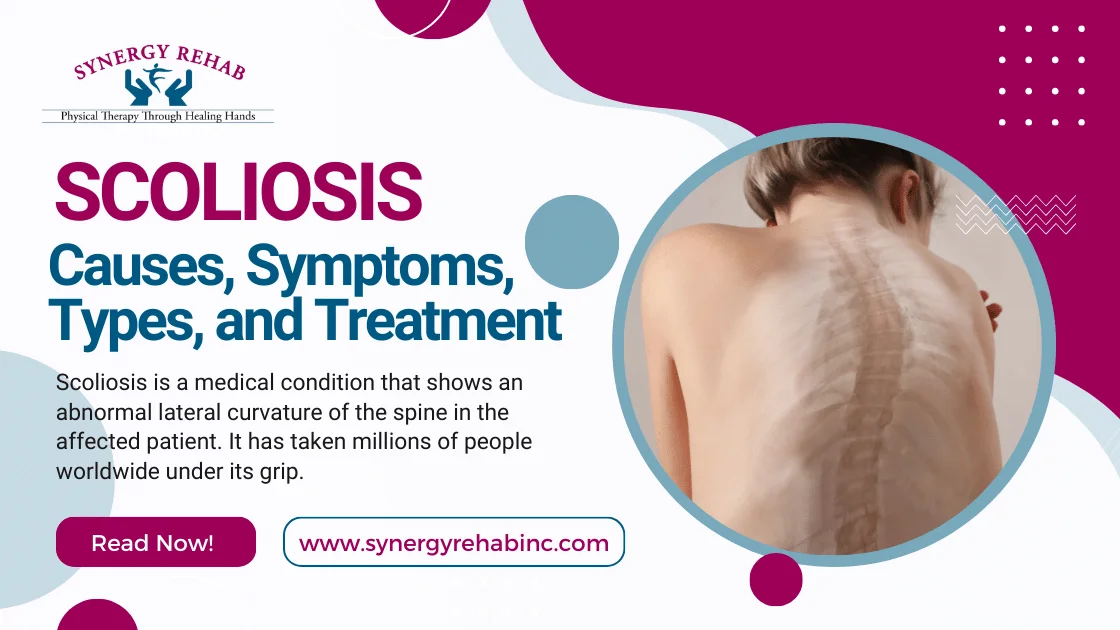
Scoliosis: Causes, Symptoms, Types, and Treatment
Scoliosis is a medical condition that shows an abnormal lateral curvature of the spine in the affected patient. It has taken millions of people worldwide under its grip. It is time to explore the various aspects of scoliosis, focusing on nonsurgical scoliosis treatment options. Let us check the causes, symptoms, types, and effective methods for scoliosis pain relief and curved spine treatment. Do not miss reading this comprehensive guide until the end, as it’s intended to provide valuable insights to patients, caregivers, or people interested in learning more about scoliosis treatment. Understanding Scoliosis Causes of Scoliosis Scoliosis can develop for various reasons, and understanding these causes is important if an effective treatment is to be developed. Symptoms of Scoliosis Scoliosis symptoms are very different from patient to patient, depending on the severity of the curvature and the individual’s age. Common symptoms include: Types of Scoliosis Understanding the different types of scoliosis is crucial for determining the most appropriate treatment plan. Each type of scoliosis affects different regions of the spine and may present unique challenges. Nonsurgical Scoliosis Treatment Nonsurgical scoliosis treatment is often the first line of defence for managing this condition, particularly in mild to moderate cases. The primary objective of these treatments is to reduce pain, improve function, and prevent further curvature progression. Physical Therapy: The Optimal Solution for Scoliosis Treatment Physical therapy has proven to be one of the best nonsurgical treatments for scoliosis. It offers a holistic approach to managing and improving scoliosis symptoms. Unlike other treatments that focus solely on symptom relief, physical therapy addresses the root cause of scoliosis by strengthening the muscles supporting the spine, improving flexibility, and enhancing overall spinal health. This comprehensive approach alleviates pain and helps prevent further curvature progression, making it an essential component of scoliosis treatment and management. Physical Therapy for Back Pain A physical therapist can design a customized exercise program for back pain to strengthen the muscles and reduce the pain caused by scoliosis. Key components of physical therapy for scoliosis include: Bracing Bracing is often recommended for adolescents with scoliosis who are still growing. The goal of bracing is to prevent further curvature progression. Modern braces are more comfortable and less noticeable than older models, improving compliance and effectiveness. Customized Treatment Plans One of physical therapy’s greatest advantages is the ability to create customized treatment plans tailored to each patient’s unique needs. Physical therapists for back pain work closely with patients to assess their condition and develop a personalized exercise regimen. This includes stretching exercises to improve flexibility, strengthening exercises to support the spine, and postural training to correct misalignments. By focusing on each patient’s individual needs, physical therapy ensures the most effective treatment and long-term results for scoliosis pain relief. Evidence-Based Benefits Research consistently supports the benefits of physical therapy for scoliosis. Studies have shown that specific exercise programs can significantly reduce pain and improve spinal alignment in scoliosis patients. For instance, a study published in the Journal of Physical Therapy Science demonstrated that targeted exercises substantially improved pain levels and posture among participants. This evidence highlights the importance of physical therapy as a cornerstone of nonsurgical scoliosis treatment. Preventing Further Progression Physical therapy helps manage current symptoms and also prevents the progression of spinal curvature. Through regular exercise and strength training, patients can maintain a healthier spine, reducing the risk of their condition worsening over time. This proactive approach is especially important for adolescents, who are still growing and may be at higher risk of curve progression. Patients who include physical therapy in their treatment plan can achieve better long-term outcomes and maintain a higher quality of life. Lifestyle Modifications Certain lifestyle changes can significantly impact the effectiveness of scoliosis treatment. These include: Medical Studies and Evidence Several studies have highlighted the effectiveness of nonsurgical treatments for scoliosis. For example, a study published in the Journal of Physical Therapy Science found that manual therapy exercise programs specifically designed for scoliosis patients significantly reduced pain and improved spinal alignment. Another study in Spine Journal emphasized the benefits of bracing in preventing curve progression in adolescents with idiopathic scoliosis. Way Forward Nonsurgical scoliosis treatment offers a range of options for managing this condition effectively. From physical therapy and bracing to lifestyle modifications, patients have numerous tools at their disposal for scoliosis pain relief and curved spine treatment. Understanding the causes, symptoms, and types of scoliosis is crucial in seeking appropriate treatment and achieving the best possible outcomes. If you or a loved one is experiencing symptoms of scoliosis and seeking professional care, consider Synergy Rehab in Southfield, Michigan. Our experienced physical therapists specialize in personalized, nonsurgical scoliosis treatment plans designed to alleviate pain, improve posture, and enhance your quality of life. Book your appointment today and take the first step toward effective scoliosis treatment and management.