
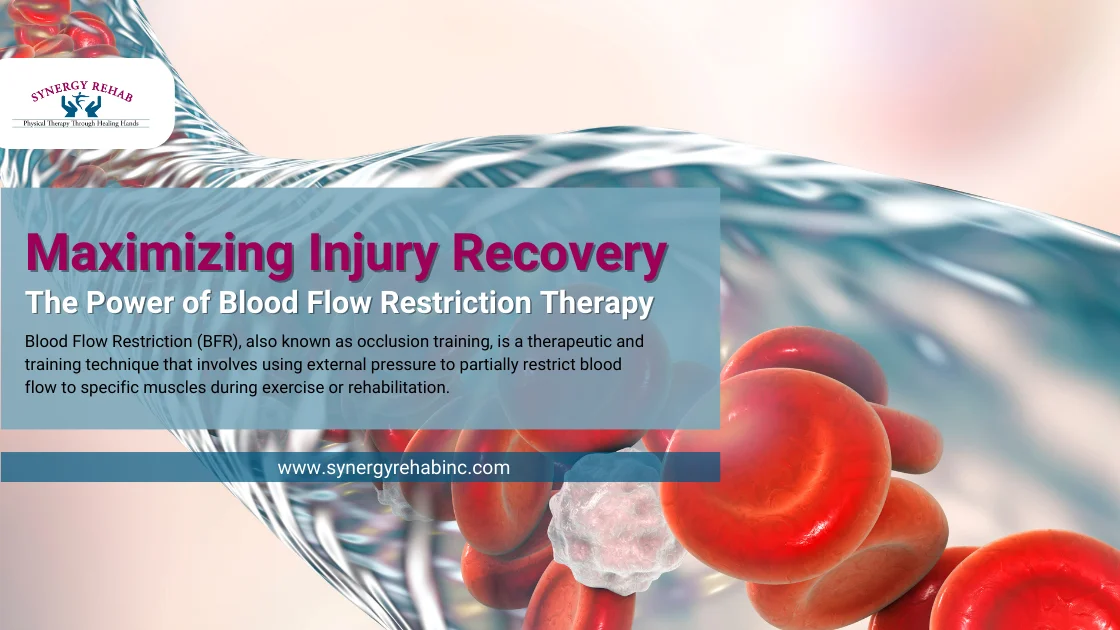
Maximizing Injury Recovery: The Power of Blood Flow Restriction Therapy
Blood flow restriction therapy (BFR) is revolutionizing the landscape of physical rehabilitation and injury recovery. This innovative technique, increasingly utilized in blood flow restriction physical therapy, offers a promising solution for those aiming to expedite their recovery process. In this article, we’ll explore the mechanics, benefits, and applications of BFR, especially in the context of injury recovery. What is Blood Flow Restriction? Blood Flow Restriction (BFR), also known as occlusion training, is a therapeutic and training technique that involves using external pressure to partially restrict blood flow to specific muscles during exercise or rehabilitation. This is typically achieved by applying tourniquets or specialized cuffs to the proximal part of the limbs, such as the upper arms or thighs. The pressure applied is carefully controlled and individualized, allowing arterial blood flow to the muscles while restricting venous return. Image Source: ONNIT The primary goal of Blood Flow Restriction is to create a hypoxic (low-oxygen) environment within the muscles being targeted. This process triggers a series of physiological responses that can lead to various benefits, especially in terms of muscle adaptation, rehabilitation, and strength development. Benefits of Blood Flow Restriction Therapy Blood Flow Restriction (BFR) therapy has gained attention and recognition for its various benefits in both rehabilitation and athletic training contexts. Some of the key benefits include: 1. Muscle Hypertrophy (Growth): BFR therapy has been shown to stimulate muscle hypertrophy, even with low-intensity resistance exercises. This is particularly valuable for individuals who may have limitations in lifting heavy weights, such as those recovering from injuries or surgeries. 2. Strength Gains: BFR allows individuals to achieve significant strength gains with lower resistance loads. This is beneficial for people who may have difficulty with traditional high-load resistance training due to injury, joint issues, or other health conditions. 3. Rehabilitation: BFR is increasingly used in rehabilitation settings to prevent muscle atrophy and promote early muscle activation. It is particularly helpful for individuals recovering from surgeries or injuries where traditional resistance training may be challenging. 4. Reduced Joint Stress: The use of lower resistance loads in BFR places less stress on the joints compared to traditional high-load resistance training. This makes it a potentially safer option for individuals with joint issues or those recovering from joint-related injuries. 5. Pain Management: BFR therapy has shown promise in managing pain, especially in conditions like osteoarthritis. The localized metabolic stress induced by BFR may contribute to pain relief and improved joint function. Types of Injuries Treated with BFR Blood Flow Restriction (BFR) therapy is utilized in the treatment of various injuries, particularly in the field of rehabilitation. Some types of injuries that may benefit from BFR therapy include: 1. Muscle Injuries: BFR is commonly used in the rehabilitation of muscle injuries, such as strains and tears. By promoting muscle activation and growth with lower-intensity exercises, BFR helps prevent muscle atrophy and accelerates the recovery process. 2. Post-Surgical Rehabilitation: BFR is frequently incorporated into post-surgical rehabilitation programs, especially after procedures involving joints or muscles. It helps maintain muscle mass and function during the initial stages of recovery when traditional high-load resistance training may be limited. 3. Joint Injuries: BFR therapy may be applied in cases of joint injuries, such as ligament sprains or cartilage damage. The ability to achieve muscle activation with lower resistance loads minimizes stress on the affected joint while still promoting strength and stability. 4. Fracture Recovery: Individuals recovering from fractures may use BFR therapy to maintain muscle strength and function during the immobilization period. It provides a means of exercise that doesn’t put excessive strain on the healing bone. 5. Nerve Injuries: BFR therapy may be considered in cases of nerve injuries or neuropathies. The controlled blood flow restriction allows for targeted exercises to stimulate muscle activation without causing additional stress on the affected nerves. Blood Flow Restriction Therapy in Physical Therapy Blood Flow Restriction (BFR) therapy is emerging as a revolutionary technique in physical therapy, complementing traditional rehabilitation methods. Offered by physical therapists in Southfield, this approach involves applying a specialized tourniquet to an injured limb, reducing blood flow and creating a low-oxygen environment in the muscles. This unique condition enables muscle strengthening and growth at lower exercise intensities, ideal for patients unable to perform high-load workouts due to injury or post-surgery limitations. BFR therapy, as provided by the best physical therapists in Southfield, offers significant benefits, including accelerated muscle strength gains, enhanced endurance, and quicker recovery times, without the stress of intense exercises. Image Source: Freepik Conclusion Blood Flow Restriction (BFR) Therapy represents a significant evolution in the field of injury recovery and physical rehabilitation. Its unique methodology, skillfully combining low-intensity exercise with restricted blood flow, provides a route to expedited recovery, enhanced muscle strength, and improved rehabilitation outcomes, all without the strain of high-load exercises. This inventive technique proves beneficial not just for athletes and individuals recovering from surgeries but also serves as a valuable asset for those facing limitations due to chronic conditions or age-related muscle loss. For those seeking to incorporate this cutting-edge therapy into their recovery process, Synergy Rehab Inc. offers expert guidance and personalized care. Embrace the power of Blood Flow Restriction Therapy with the professionals at Synergy Rehab and step into a world where optimal recovery is not just a goal, but a reality. Visit our website to learn more and to schedule your appointment. Let’s work together to maximize your injury Frequently Asked Questions Q1: What is Blood Flow Restriction Therapy (BFR)?Blood Flow Restriction Therapy is a rehabilitation technique where a cuff or tourniquet is applied to restrict blood flow to the limbs during low-intensity exercise, promoting muscle strength and hypertrophy with reduced stress on tissues. Q2: How does Blood Flow Restriction Therapy enhance recovery? Blood Flow Restriction Therapy at Synergy Rehab accelerates recovery by allowing significant muscle growth and strength benefits from lower-intensity workouts, making rehabilitation more efficient and effective. Q3: What benefits does Blood Flow Restriction Therapy offer? BFR benefits include quicker recovery times, restoration of muscle function, and improved cardiovascular health, even

5 Mental and Physical Wellbeing Tips for 2024 from Best Physical Therapist in Southfield
While serving as a physical therapist in Southfield, I’ve seen firsthand the importance of maintaining both mental and physical well-being. The year 2024 presents new challenges and opportunities in this realm, and I’m excited to share five key tips to help you stay at your best while undergoing physical therapy. Remember, as Joseph Pilates once said, “Physical fitness is the first requisite of happiness.” Let’s dive into mental and physical fitness! 1. Mindful Movement: Integrating Mind and Body Physical therapy isn’t just about healing; it’s about holistic well-being. A study published in the Journal of Physical Therapy Science emphasizes the benefits of integrating mindful practices like yoga or Tai Chi into your routine. These disciplines help in managing physical therapy for back pain and neck pain, not only by strengthening and stretching the body but also by bringing a sense of mental calm and focus. Incorporating these practices can aid in improving body awareness and reducing stress. Also, Yoga is the best mental health therapy. Tip: Dedicate a few minutes each day to mindful movement. Even just 10 minutes can make a difference. Why It Works: According to a study published in JAMA Internal Medicine, mindfulness and meditation can help ease psychological stresses like anxiety, depression, and pain. Quote to Remember: “The thing about meditation is: You become more and more you.” – David Lynch 2. Regular Physical Activity Along with Physical Therapy: The Backbone of Wellness Consistent physical activity is crucial. It’s not just about intense workouts; even moderate activities like walking or swimming can make a huge difference. The American Heart Association suggests at least 150 minutes per week of moderate-intensity aerobic activity for overall cardiovascular health. Regular exercise helps in managing back and neck pain by strengthening the muscles that support these areas, thereby reducing strain and discomfort. Tip: Engage in physical activities that you enjoy. It could be anything from brisk walking to swimming or even dance classes. Why It Works: Physical activity is not just about physical therapy for back pain or neck pain. It’s a proven stress reliever and mood booster. The American Heart Association recommends at least 150 minutes of moderate-intensity aerobic activity each week for adults. Quote to Remember: “Movement is a medicine for creating change in a person’s physical, emotional, and mental states.” – Carol Welch 3. Ergonomic Adjustments: Your Workspace Matters With many of us spending hours at our desks, ergonomic adjustments are more important than ever. A research article from Applied Ergonomics highlights how proper ergonomic setups can significantly reduce the risk of neck and back pain. Consider a standing desk or an ergonomic chair, and ensure your computer screen is at eye level to avoid slouching. Tip: Regularly adjust your sitting position. Changing your posture throughout the day can help prevent muscle stiffness and fatigue and improve physical fitness. For instance, alternate between sitting and standing if you have an adjustable desk. Why It Works: Ergonomic adjustments work by aligning your body in a natural position that reduces stress on your spine, muscles, and joints. When your workspace is set up correctly, it minimizes the unnatural strain on your body, which is a common cause of workplace-related musculoskeletal disorders. Quote to Remember: “Design is not just what it looks like and feels like. Design is how it works.” – Steve Jobs. 4. Balanced Nutrition: Fuelling Your Body and Mind Nutrition plays a pivotal role in physical and mental health and wellness. As Hippocrates said, “Let food be thy medicine and medicine be thy food.” A balanced diet rich in anti-inflammatory foods can help in managing pain and promote overall health. Incorporating omega-3 fatty acids, found in fish and flaxseeds, and antioxidants, found in fruits and vegetables, can be particularly beneficial for those dealing with chronic pain. Tip: Hydration is key to physical fitness. Drinking enough water throughout the day aids in digestion, absorption of nutrients, and elimination of waste. Staying hydrated can also help in reducing pain flare-ups and improving cognitive function. Why It Works: A diet rich in anti-inflammatory foods and sufficient hydration works by reducing inflammation in the body. Chronic inflammation is often linked to a host of health issues, including chronic pain. Foods rich in omega-3 fatty acids and antioxidants help to combat this inflammation, while proper hydration ensures that nutrients are efficiently transported throughout the body and waste products are removed. Quote to Remember: “You are what you eat, so don’t be fast, cheap, easy, or fake.” 5. Quality Rest and Sleep: The Foundation of Recovery Never underestimate the power of good sleep. The National Sleep Foundation outlines that adults need 7-9 hours of sleep per night for optimal health. Quality sleep is essential for the body’s healing and recovery processes, especially when undergoing physical therapy. It’s during sleep that the body repairs muscle tissue and restores energy levels. Tip: Create a restful environment. Ensure your bedroom is conducive to sleep — cool, dark, and quiet. Consider using blackout curtains, eye shades, earplugs, or “white noise” machines to block out disturbances. Why It Works: Quality sleep works as a restorative process for both the mind and body. It helps consolidate memories and allows the brain to ‘clean house’. Physically, during the deeper stages of sleep, the body releases hormones that stimulate tissue growth and repair blood vessels, aiding in the recovery of muscles, reducing inflammation and improving overall physical health. Quote to Remember: “Sleep is the best meditation.” – Dalai Lama. Let’s Focus on 2024 for Better Mental and Physical Well Being In 2024, let’s focus on these holistic approaches to wellbeing. As your dedicated physical therapist in Southfield, my goal is to guide you through a journey that not only addresses specific pain points like back or neck pain but also enhances your overall quality of life. Remember, wellness is a journey, not a destination. Let’s make this year your healthiest yet!For those seeking specialized guidance, especially in areas like physical therapy for neck pain or back pain, don’t hesitate to reach

Navigating the Holiday Season: Physical Therapy for Auto Accident Injuries
The holiday season in Michigan, a picturesque winter wonderland, brings with it a myriad of traditions and celebrations. It’s a time when the air is filled with the scent of pine, streets are aglow with festive lights, and families gather to share the joy of the season. However, this period also marks an increased risk for auto or holiday accidents, an often-overlooked shadow amid the holiday cheer. The festive season’s charm undoubtedly draws more people onto the roads, whether they are journeying to meet loved ones or bustling through the city’s shopping hubs to find the perfect gifts. This increase in traffic, coupled with the state’s notorious winter weather, lays the groundwork for potential hazards. Michigan’s roads, blanketed in snow and ice, become slippery pathways that challenge even the most cautious of drivers. Additionally, holiday celebrations are synonymous with toasts and cheers, where alcohol often plays a central role. Unfortunately, this can lead to impaired judgment behind the wheel, further escalating the risks of holiday accidents. As we embrace the warmth and joy of the holiday season, it’s crucial to also recognize and prepare for these increased risks, ensuring that the season remains a time of safe and happy memories. Let us highlight the importance of physical therapy in the recovery process for those who suffer auto accident injuries during this busy time. Increased Risks During the Holidays Holiday Traffic With more people on the roads visiting family and shopping for the holidays, traffic congestion increases the likelihood of holiday accidents. Winter Weather in Michigan Snow and ice can make roads treacherous, leading to more frequent collisions. Holiday Celebrations and Impaired Driving Celebrations often involve alcohol, and unfortunately, this can result in impaired driving and holiday accidents. The Role of Physical Therapy Post-Auto Accident or Holiday Accidents Physical therapy is a cornerstone in the rehabilitation process following auto accidents. Its role extends beyond mere recovery; it enhances the quality of life post-injury. Let’s delve deeper into the significant benefits that physical therapy offers in this context: Advanced Pain Management Techniques Physical therapy employs various techniques to manage and alleviate pain. These include manual therapy, such as soft tissue mobilization and joint manipulation, which can release tension and reduce discomfort. Therapists also use modalities like ultrasound or electrical stimulation to target deeper tissues and provide pain relief. Importantly, these methods offer an alternative or complement to medication, potentially reducing reliance on painkillers and their associated side effects. Restoring Mobility and Strength Auto accidents often result in injuries that can limit mobility and strength. The best physical therapist in Southfield uses targeted exercises to rebuild muscle strength, enhance flexibility, and improve overall range of motion. These exercises are tailored to the individual’s specific injuries and recovery goals. Over time, patients can regain pre-accident levels of function and, in some cases, may even surpass their previous physical capabilities. Preventing Long-Term Complications Early and consistent physical therapy can play a critical role in preventing chronic pain conditions. Without proper treatment, auto accident injuries like whiplash or soft tissue damage can evolve into persistent pain or mobility issues. A physical therapist helps actively manage these risks, guiding patients through exercises and treatments that promote healing and reduce the likelihood of long-term damage. Personalized Recovery Plans One of the most significant advantages of physical therapy is its personalized approach. Therapists assess each patient’s unique situation – considering factors like the severity of injuries, lifestyle, and overall health. Based on this assessment, they develop a customized treatment plan for holiday accidents. This plan evolves as the patient progresses, ensuring that the recovery journey is aligned with their individual needs and recovery goals. Physical therapy for auto accident injuries is an invaluable resource for anyone looking to recover effectively. It offers a multifaceted approach to rehabilitation, addressing not just the physical aspects of recovery but also the psychological and emotional components. With the right physical therapy support, patients can navigate the road to recovery with confidence, knowing they have a dedicated professional guiding them every step of the way. Finding the Right Physical Therapist in Michigan Choosing the best physical therapist in Southfield, Michigan, is a critical step in your recovery journey after an auto accident. The right therapist can significantly influence the speed and effectiveness of your healing process. A skilled physical therapist brings a wealth of knowledge and expertise, offering tailored treatment plans that address your specific injuries and personal recovery goals. They can help mitigate pain, restore function, and prevent long-term complications, which are essential for returning to your daily activities. Moreover, a good therapist provides support and guidance, not just physically but also emotionally, helping you navigate the often challenging path to recovery. The rapport you build with your therapist is vital; it fosters a trusting environment where you can work collaboratively towards your rehabilitation goals. Therefore, taking the time to find a therapist who is not only qualified but also a good fit for your individual needs is a crucial step towards a successful and efficient recovery. Licensed Professionals Ensure the physical therapist is licensed and has experience in dealing with auto accident injuries. Personalized Care Look for therapists who provide personalized care and are attentive to your specific recovery needs. Accessibility Consider the location and accessibility of the physical therapy clinic, especially during the harsh Michigan winters, for holiday accident treatment. The holiday season in Michigan poses unique challenges for road safety, leading to an increase in auto accidents. Physical therapy emerges as a vital component in the recovery process for those injured in such incidents. By choosing the right physical therapist, individuals can navigate their recovery effectively and return to their daily lives with renewed strength and mobility. Take Next Step! If you or a loved one has been involved in an auto accident this holiday season and are seeking effective physical therapy, book your consultation with Synergy Rehab in Southfield. Our team of expert physical therapists, often considered the best in Southfield, are committed to providing personalized care tailored

Pain in Hips and Groin Area? It Might Be Thoracolumbar Pain: What You Need to Know
Are you experiencing discomfort in your groin and hip area? It’s possible that what you’re feeling is thoracolumbar pain. Groin and hip discomfort can sometimes be attributed to thoracolumbar pain, a condition that affects the thoracic spine located at the back of the chest and extends from the bottom of the neck to the start of the lumbar spine. This type of pain, although not the most common form of back pain, can have serious causes and should not be ignored. Let us understand what thoracolumbar pain is, its causes, symptoms, and why physical therapy might be your best bet for relief. What is Thoracolumbar Pain Thoracolumbar pain affects the thoracic spine at the back of the chest, extending from the neck to the start of the lumbar spine. This type of pain can feel like a stabbing sensation and, though not the most common, can signal underlying issues. Causes of Thoracolumbar Pain Inflammation: The most common cause, which can stem from a sudden sprain or strain, poor posture, prolonged sitting, lack of muscular strength, or repetitive movements involving the thoracic spine. Less Common Causes: These include thoracic stenosis, slipped discs, vertebral fractures, osteoporosis, spinal infection, shingles, spinal osteoarthritis, ankylosing spondylitis, Scheuermann’s disease, and spinal tumors. Symptoms and Diagnosis Symptoms: Pain in the thoracic spine is often described as a stabbing sensation. Red flag symptoms include serious injury, persistent or worsening pain, changes in spine shape, numbness or weakness in the legs, and incontinence, among others. Diagnosis: For persistent, severe pain, especially with ‘red flag’ features, clinicians may suggest tests like blood work, X-rays, and MRI scans. What is the relation between thoracolumbar pain and hip and groin discomfort? Thoracolumbar pain, which affects the thoracic spine, can sometimes lead to referred pain in the hip and groin area. This occurs because the nerves in the thoracic spine can affect other parts of the body, including the hips and groin. Men and women both can suffer from this type of pain. When there’s an issue in the thoracic spine, such as inflammation or nerve compression, it can manifest as pain or discomfort in these areas. This relationship highlights the interconnectedness of the spine and other body regions, making accurate diagnosis and targeted treatment, such as physical therapy, crucial for relief. What is referred pain? Referred pain is a phenomenon where pain is perceived in an area of the body that is distant from the actual source of the pain. This occurs because the nerve pathways from different parts of the body often converge as they enter the spinal cord and travel up to the brain. As a result, the brain may have difficulty pinpointing the exact source of the pain and mistakenly interprets it as coming from a different location. This is why issues in one part of the body can lead to pain sensations in another area. This explains the relationship between the thoracolumbar pain and pelvic discomfort better. How Physical Therapy Helps with Hip and Groin Area Pain Physical therapy for thoracolumbar pain is relevant to hip and groin area pain because the thoracic and lumbar regions of the spine are interconnected with nerves that affect the hips and groin. it targets the underlying causes of discomfort rather than just alleviating symptoms. Physical therapy for groin pain includes: Strengthening Exercises: These build support in the spine and hip region, reducing strain. Flexibility Training: Enhances range of motion, reducing stiffness and discomfort in hips and groin. Posture Improvement: Correct posture reduces stress on the spine and, by extension, the hips and groin. Pain Management Techniques: Used in physical therapy for hip pain and groin can directly target and alleviate hip and groin pain linked to thoracolumbar issues. Many individuals have endured years of groin pain, often trying various treatments without lasting relief. However, a significant number have found a successful remedy in physical therapy. This approach, focusing on the interconnectedness of the thoracolumbar spine, hips, and groin, offers exercises and techniques specifically tailored to address the root causes of their discomfort. By strengthening and increasing the flexibility of relevant muscle groups, improving posture, and utilizing targeted pain management strategies, the best physical therapist in Southfield has provided these individuals with a much-needed path to recovery and a return to a more comfortable, active lifestyle. Find the Right Remedy Are you in Southfield, Michigan, and struggling with persistent groin or hip pain? Don’t let discomfort dictate your life. Synergy Rehab offers a specialized physical therapy program tailored to address thoracolumbar pain, which could be the root cause of your distress. Our expert team is dedicated to providing personalized care that focuses on strengthening, flexibility, and pain management, aimed at bringing long-term relief and improved quality of life. Take your first step towards a pain-free future – contact Synergy Rehab today and discover the transformative power of physical therapy!
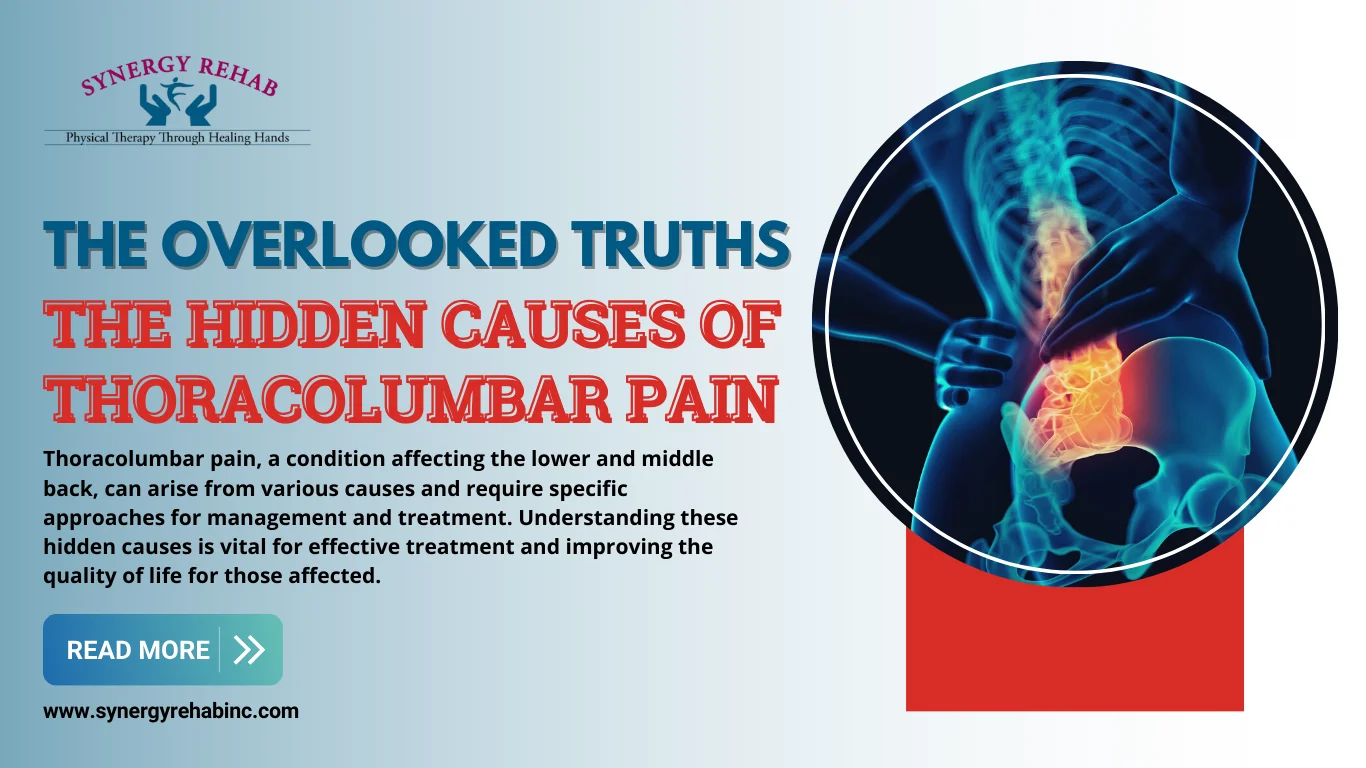
The Overlooked Truths: Know the Hidden Causes of Thoracolumbar Pain
Thoracolumbar pain, impacting the lower and middle sections of the back, can have diverse origins, each necessitating a tailored approach for effective management and treatment. This condition encompasses a broad spectrum of potential issues, ranging from structural abnormalities to nerve-related problems and even muscle strain. Understanding all these hidden causes is vital for effective treatment and improving the quality of life for those affected. Hidden Causes of Thoracolumbar Pain Thoracolumbar Scoliosis Image Courtesy: Healthline One significant cause of thoracolumbar pain is scoliosis, particularly thoracolumbar scoliosis. This condition results from a curvature in the spine, leading to pain due to spinal deformity, nerve compression, or muscular fatigue. In adults, scoliosis is often linked to spinal degeneration and osteoporosis, causing the spine to become less flexible and more prone to pain. While bracing is an effective treatment for adolescents, adults have a narrower range of treatment options, often involving a combination of exercises, stretching techniques, rehabilitation therapy, and chiropractic care. Thoracic Back Pain Thoracic back pain, another aspect of thoracolumbar pain, can stem from various causes. Common causes include inflammation due to sprains or strains, poor posture, repetitive overuse injuries, and sitting for prolonged periods. Less common causes include spinal stenosis, slipped discs, fractures, osteoporosis, spinal infection, and even conditions affecting the organs around the thoracic spine. Mental health issues and poor posture are also associated with thoracic back pain. While thoracic back pain is usually not serious and often resolves without specific treatment, it can be a symptom of more severe health issues, hence the importance of proper diagnosis and treatment when pain persists or is severe. Thoracic Radiculopathy Radiculopathy, a condition involving nerve pain, can also contribute to thoracolumbar pain. It occurs when spinal nerves are compressed or irritated, leading to symptoms like pain, tingling, numbness, and muscle weakness. Thoracic radiculopathy specifically causes pain in and around the chest. The causes of radiculopathy include traumas, bone spurs, and herniated discs. Treatments for radiculopathy may include ice or heat application, posture adjustment, physical therapy for back pain, NSAIDs, corticosteroids, and in rare cases, surgery. For individuals in Southfield seeking treatment for back pain, considering options like physical therapy and consulting with the best physical therapists is essential. Specifically, those looking for specialized care can explore options for back pain treatment in Southfield, including physical therapy and consultations with the best physical therapists in the area. Thoracolumbar pain can be a complex condition with various underlying causes. Understanding these causes is crucial in developing an effective treatment plan. Seeking professional advice and considering all available treatment options, including specialized physical therapy by the best physical therapists in Southfield, can help manage and alleviate thoracolumbar pain effectively. If you’re grappling with thoracolumbar pain and seeking expert care in Southfield, MI, Synergy Rehab stands ready to assist. Our team of skilled physical therapists specializes in diagnosing and treating a wide range of back pain causes, using state-of-the-art techniques tailored to your specific needs. Whether it’s managing scoliosis-related discomfort, addressing radiculopathy symptoms, or simply enhancing your spine health through targeted exercises and posture correction, we are committed to guiding you toward a pain-free life. Don’t let back pain hold you back any longer. Contact Synergy Rehab today to experience the best physical therapy services in Southfield, and take the first step toward reclaiming your comfort and mobility. Let’s work together to develop a personalized treatment plan that puts your well-being first.
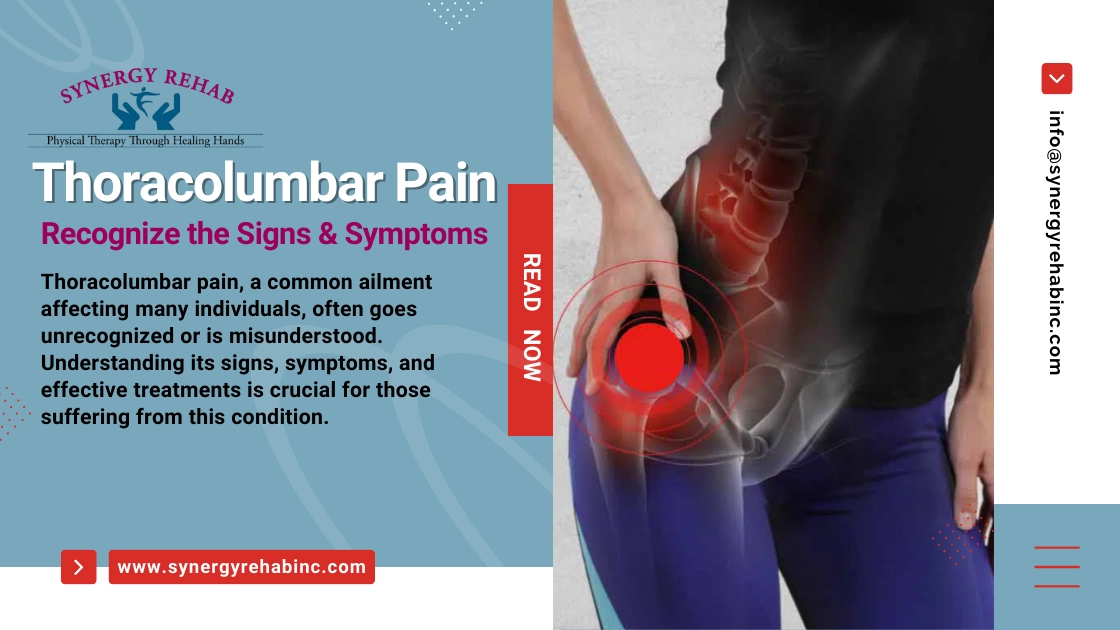
Thoracolumbar Pain: Recognize the Signs & Symptoms
Thoracolumbar pain, a common ailment affecting many individuals, often goes unrecognized or is misunderstood. Understanding its signs, symptoms, and effective treatments is crucial for those suffering from this condition. This comprehensive guide aims to shed light on thoracolumbar pain, helping you identify and address it effectively. What is Thoracolumbar Fascia Pain? The thoracolumbar fascia is a vital component of the body’s musculoskeletal system, located in the lower back region. It is composed of connective tissue and extends across the lower part of the spine, covering the thoracic and lumbar areas. This fascia plays a crucial role in various bodily functions: Image Source: Physioroom Given its extensive use and importance in daily activities like bending, twisting, and lifting, the thoracolumbar fascia is highly susceptible to overuse and strain. This can lead to inflammation, stiffness, and pain in the area, known as thoracolumbar fascia pain. This condition can significantly impact mobility and quality of life, necessitating proper care and treatment. Recognizing the Signs and Symptoms Recognizing the signs and symptoms of thoracolumbar fascia pain is essential for timely and effective treatment. Key symptoms include: Effective Treatments for Thoracolumbar Pain Physical Therapy and Rehabilitation Image Source: Physiopedia Effective treatment of thoracolumbar pain often involves a multifaceted approach, with physical therapy and rehabilitation playing a central role. Here’s a more detailed look into how these treatments work: These therapies are tailored to individual needs and are often more effective when combined, addressing not just the symptoms but also the underlying causes of thoracolumbar pain. Core Stability Exercises specifically target the muscles in the trunk and lower back, playing a vital role in maintaining proper posture and spinal alignment. By strengthening these deep muscles, core stability exercises help to stabilize the spine, reducing strain on the thoracolumbar fascia and thereby alleviating thoracolumbar pain. Image Source: MDPI Myofascial Release Techniques, on the other hand, involve applying gentle, sustained pressure to the myofascial connective tissue to eliminate pain and restore motion. This method is particularly effective in treating issues related to fascial adhesions – areas where the fascia has become stiff or stuck, causing pain and restricting movement. When combined, core stabilization exercises and myofascial release techniques offer a comprehensive approach to treating lower back pain, especially in older adults. This combination not only helps in pain relief but also in improving the functional status of the back, making it a highly effective regimen for managing thoracolumbar pain. Lifestyle Adjustments for Managing Thoracolumbar Pain In addition to medical treatments, certain lifestyle adjustments can significantly alleviate thoracolumbar pain: Conclusion Thoracolumbar pain, though common, requires proper understanding and management. By recognizing its symptoms and seeking appropriate treatments, including physical therapy and lifestyle adjustments, individuals can effectively manage and alleviate this discomfort. Remember, early recognition and intervention are key to preventing the progression of thoracolumbar pain. If you’re struggling with thoracolumbar pain and seeking effective, personalized care, Synergy Rehab Inc. in Southfield is here to help. Our expert team specializes in physical therapy, core stability exercises, and myofascial release techniques tailored to your unique needs. Don’t let back pain hold you back any longer. Contact us today to start your journey toward pain relief and a healthier, more active lifestyle. Let us be your partner in managing and overcoming thoracolumbar pain. Call or visit our website to schedule your appointment with Synergy Rehab Inc. – your first step towards lasting back pain relief.
Sclerotomal Pain Pattern – Everything You Need to Know
Pain, an unwelcome sensation, manifests in various forms, each with unique characteristics and patterns. Among these, sclerotomal pain is a distinct pattern often accompanying musculoskeletal conditions. Understanding this pain pattern can help to find an accurate diagnosis and effective treatment. Image Source: AcupunctureProducts.com Sclerotome: A Hidden Pain Pathway You must first understand the spinal cord and its segments to understand sclerotome pain patterns. The spinal cord is divided into different levels associated with specific nerves. Sclerotomes are parts or tissues of the body that share a common nerve root. When there is irritation or dysfunction in these tissues, you can experience a referral pain pattern known as a sclerotomal pain pattern. This pain can result from various factors, including injuries, inflammation, or degenerative conditions. The pain may be experienced locally at the site of the issue or radiate to other areas connected by the same nerve pathway. Symptoms of Sclerotomal Pain A deep and dull ache that can be felt in various body parts is one of the most common symptoms of sclerotomal pain. Other symptoms may include Image Source: Regenerative Spine and Joint Centre Identifying Sclerotomal Pain Patterns Different spinal nerves are associated with distinct sclerotomal regions, leading to characteristic pain patterns. Cervical Sclerotomes (C1-C8) C1-C2 Pain in these segments may lead to headaches and neck pain. C3-C4 Pain may radiate to the shoulder and upper arm C5-C6 Pain might spread down the lateral arm and into the thumb and index finger C7-C8 Pain can travel down the arm into the middle fingers Thoracic Sclerotomes (T1-T12) T1-T4 Pain might occur in the upper chest and upper back T5-T8 Pain can manifest around the ribcage and upper abdomen T9-T12 Pain may spread to the lower abdomen and flanks Lumbar Sclerotomes (L1-L5) L1-L2 The pain can radiate into the groin and hip L3-L4 Pain might manifest in the front of the thigh and knee L5 Pain may extend down the front of the leg S1-S3 Pain can radiate in the back of the leg and foot Causes of Sclerotomal Pain Identifying the exact cause of sclerotomal pain is difficult because various reasons can contribute to it, including: Herniated Disc: When the soft inner core of the spinal disc bulges or ruptures, it can irritate the nerve root, resulting in sclerotomal pain. Degenerative Disc Disease: Degenerative changes in the spine, including bone spurs and spinal canal narrowing, can compress nerve roots, resulting in sclerotomal pain. Image Source: Mayo Clinic Osteoarthritis: Osteoarthritis is a degenerative joint disease that can affect the spinal joints, causing pain and inflammation in the bones and joints. Trauma: Trauma to the spine, such as from a car accident or fall, can damage spinal nerve roots and cause sclerotomal pain. Infection: Spine infection can also damage spinal nerve roots and cause sclerotomal pain. Diagnosis of Sclerotomal Pain Diagnosing sclerotomal pain can be challenging because it is diffused in nature and overlaps with other nerve pain patterns. However, with a thorough physical examination and imaging studies, your therapist can identify the root cause and prescribe the best treatment approach. Treatment Approach: Physical Therapy Understanding the exact cause of sclerotomal pain can help medical professionals determine the compromised treatment approach. One of the effective sclerotomal pain pattern treatment options is physical therapy. Image Source: Healthline Physical therapy can help to: Your physical therapist may prescribe the following exercises based on the severity and cause of the pain: If you are dealing with chronic pain but don’t know the exact cause, it’s the right time to approach a physical therapist at Synergy Rehab for your proper diagnosis and timely treatment. With our easiest physical therapy approach, you can get rid of your sclerotomal pain. So, why wait? Schedule your consultation now!
Physical Therapy and Mental Wellness: An Underexplored Connection
Moving towards strong physical health usually means moving towards mental wellness at the same time. Physical therapy isn’t only about easing body pain or helping you move better; it also helps in taking care of your mental health. This blog aims to shed some light on the psychological benefits of physical therapy and how it helps your mind feel better and makes you feel good overall. Psychological Benefits of Physical Therapy Physical therapy can be a haven for individuals grappling with both physical and mental health challenges. Here are some psychological benefits of physical therapy: 1. Reduces Stress Physical pain is often a precursor to stress as the body releases anxiety and stress hormones in response to pain. Physical therapy helps in managing acute or chronic pain stemming from injuries or surgeries, thereby reducing stress. The alleviation of pain facilitates a calm mind, paving the way for better stress management. 2. Boosts Self-Esteem Engaging in a physical therapy regimen can foster a sense of accomplishment. Achieving short-term goals, overcoming physical challenges, and witnessing progress boosts self-esteem and confidence. The enhanced self-esteem is a stepping stone towards facing life’s challenges with resilience1. 3. Alleviates Depression Physical activity, a core component of physical therapy, triggers the release of endorphins – the body’s natural mood lifters. These endorphins further trigger the release of dopamine, a hormone associated with feelings of reward and pleasure. This biochemical interaction acts as a natural antidote to depressive symptoms, promoting a sense of euphoria and well-being—one of the most important psychological benefits of physical therapy. 4. Improves Sleep Quality Physical therapy involves moderate aerobic exercise, which has been found to enhance the quality of sleep by increasing the amount of deep sleep, a crucial time when the body repairs itself and the brain processes emotions. Better sleep contributes to a positive outlook on life and improved mental health. 5. Fosters Social Support Engaging with physical therapists and being part of a supportive community can alleviate feelings of isolation often associated with medical issues. The social interaction and support from physical therapists contribute to a positive mental outlook and provide an environment conducive to recovery. Search for “Physical Therapist Near Me” for Mental Wellbeing The best physical therapist in Southfield, MI, or a diligent physical therapist near you, would not only focus on your physical rehabilitation but also acknowledge the interplay between physical and mental health. They integrate psychological strategies into treatment sessions, helping individuals navigate the challenges that come with physical conditions, thereby promoting mental well-being. Physical therapy is more than just a treatment for the body; it’s a holistic approach towards wellness that embraces the mind-body connection. The road to recovery is not just about regaining physical strength or mobility; it’s about rejuvenating the mind and fostering a sense of overall well-being. The Take Away The intertwine between physical therapy and mental wellness is profound yet underexplored. Embracing physical therapy can be a significant step towards holistic wellness, where the mind and body are in harmonious sync. As you venture into the realm of physical therapy, you are not just on a path toward physical recovery but a journey toward comprehensive well-being. To foster better mental health and well-being, book your appointment with the best physical therapists in Southfield, MI.
Sclerotomal Pain: The Unseen Culprit Behind Chronic Discomfort
In the realm of chronic discomfort, one term frequently buzzes around among the medical community yet remains obscure to the public—Sclerotomal Pain. This peculiar term might not ring a bell for many, but it represents a type of pain that originates from the irritation of spinal structures. Unlike the more known myotomal or dermatomal pains associated with muscles and skin, sclerotomal pain stems from structures like vertebrae and other spinal tissues. The city of Southfield, Michigan, has not been a stranger to cases of chronic pain. This narrative echoes across various parts of the state, driving many to seek the expertise of a physical therapist in Southfield. Among the multiple modalities to confront chronic discomfort, treating sclerotomal pain has been earmarked as a pivotal step toward recuperation. Understanding Sclerotomal Pain Image Source: Clinical Charts.Com (2) Sclerotomes are parts or tissues of the body supplied by a single spinal nerve. Every tissue has a different pain pattern. If it is a nerve being compressed or irritated, the nerve pain pattern has a very specific distribution pattern. It is commonly referred to as a nerve pain pattern because the pain goes down to the leg. Sclerotomal Pain Pattern (SPP) is also sometimes similar to nerve pain patterns. That’s why a lot of physicians get confused. It can cause severe pain in the leg, not necessarily coming from the sciatic nerve. The tissues involved in SPP are tendons, ligaments, and cartilage; if these are irritated, they create a referred pain pattern, which can be called a Sclerotomal Pain Pattern. When we are talking about vertebrae, it have a disc. The disc has two parts: One is the inner part called the nucleus pulposus, and the outer part is the annulus fibrosus. When the disc bulges out and puts pressure, that can be a neuronal pain pattern. In vertebrae, some joints are fibrocartilaginous joints. A ligament capsule holds these joints together. If these ligaments are irritated these can result in Sclerotomal Pain Pattern. When these areas are compromised, due to factors such as spinal disc herniation or other spinal abnormalities, sclerotomal pain emerges. The pain is often deep, aching, and can be misleading as it may present itself far from the actual source of irritation. A study conducted by the Spine Research Institute delineates how sclerotomal pain can significantly impair the quality of life. The sinister aspect of sclerotomal pain is its ability to masquerade, often leading patients and sometimes even healthcare professionals down a rabbit hole of misdiagnosis. The Path to Accurate Identification and Personalized Treatment Correct identification is the cornerstone for effectively treating sclerotomal pain. It’s here where the role of a proficient physical therapist becomes indispensable. At Synergy Rehab in Southfield, MI, we strive to identify the unique characteristics of your pain, allowing us to tailor a treatment plan best suited to your specific needs. Our skilled team meticulously evaluates your condition to devise a personalized approach to alleviate discomfort and promote optimal recovery. Our commitment extends beyond mere symptom relief, aiming for a comprehensive understanding of your situation to provide effective treatment. Your journey towards a pain-free life is guided with expertise and compassionate care at Synergy Rehab, ensuring each step towards recovery is a positive stride forward. Tailored Treatment Approaches Once the root cause is unearthed, a personalized treatment plan is devised. The mantra of ‘one size fits all’ is shunned for a more tailored approach. Physical therapy exercises, manual therapy, spinal manipulation are among the many techniques employed for chronic pain treatment. The aim is not just to provide transient relief, but to address the core issue, thereby offering a long-term solution. In a quest for the best physical therapist near me, residents of Southfield and surrounding areas are gradually recognizing the importance of specialized care in managing sclerotomal pain. Physical Therapists: The Torchbearers of Relief Physical therapists for chronic pain in Southfield are not just healthcare providers; they are the torchbearers of hope for those ensnared in the vicious cycle of chronic discomfort. Physical therapists (PTs) hold a vital position in the healthcare sector, especially when it comes to managing chronic pain conditions like sclerotomal pain. Their expertise is often a beacon of hope for individuals caught in the relentless cycle of discomfort. In places like Southfield, Michigan, where the populace seeks quality care, physical therapists emerge as the frontrunners in providing relief and improving the quality of life. Below is the structured approach adopted by physical therapists at Synergy Rehab in treating sclerotomal pain and how their focused methodologies make a significant difference. The Diagnostic Approach Initial Assessment: Physical therapists commence with a thorough assessment to understand the history and the nature of the pain. Specialized Testing: Employing techniques like spinal motion testing, neurological exams, and imaging studies to pinpoint the root cause of sclerotomal pain. Formulating a Diagnosis: Through a meticulous analysis of the findings, a precise diagnosis is formulated which is crucial for the subsequent treatment plan. Personalized Exercise Programs: PTs devise exercise regimens tailored to individual needs, targeting the alleviation of sclerotomal pain. Manual Therapy: Incorporating hands-on techniques to mobilize spinal structures and alleviate discomfort. Spinal Manipulation: Adjusting the spinal structures to relieve pressure and diminish chronic pain. Educational Endeavours: Educating patients on posture correction, ergonomics, and self-management techniques to foster long-term relief. Regular Follow-ups and Adjustments: Progress Monitoring: Regular follow-up sessions to monitor the progress and the effectiveness of the treatment plan. Treatment Modification: Adjusting the treatment plan as per the evolving needs and responses of the patient. Patient Feedback: Encouraging patient feedback to understand their level of comfort and the effectiveness of the interventions. Empowering The Community Education about sclerotomal pain, its implications, and the available treatment options is imperative. Awareness campaigns and community outreach programs conducted by healthcare institutions play a significant role in empowering individuals to seek timely and appropriate care. Southfield, with its array of proficient physical therapists, stands as a beacon of hope for those grappling with sclerotomal pain. This blog serves as an instrument to
5 Kinds of Work-Related Injuries that Physical Therapy Can Treat Effectively
Work-related injuries can be debilitating, affecting not only an individual’s ability to perform their job but also impacting their daily life and well-being. Physical therapy for work injury emerges as a holistic solution, addressing both the symptoms and root causes of these injuries. Let’s delve deeper into five common work-related injuries and how physical therapy can be instrumental in their rehabilitation: 1. Repetitive Strain Injuries (RSI) – The Silent Epidemic Example: Carpal Tunnel Syndrome Image Source: Cleveland Clinic Physical Therapy Benefits: Repetitive actions, particularly with poor ergonomics, can lead to conditions like Carpal Tunnel Syndrome. Best physical therapists in Southfield introduce hand exercises, ergonomic advice, and specific strengthening programs. These not only manage pain but also restore function and prevent reoccurrence. A study published in the Journal of Orthopaedic & Sports Physical Therapy emphasized the significant benefits of physical therapy in managing RSI. 2. Lower Back Injuries – The Common Culprit Example: Lumbar Strain Image Source: Physiopedia Physical Therapy Benefits: Lower back pain, stemming from reasons such as prolonged sitting or heavy lifting, is alarmingly common in the workforce. Techniques such as spinal mobilization, stretching, and targeted strengthening exercises are vital. According to The Spine Journal, consistent physical therapy for work injury can significantly improve lumbar strain symptoms and prevent chronic back pain. 3. Rotator Cuff Injuries – The Overhead Hazard Example: Rotator Cuff Tear Image Source: Cleveland Clinic Physical Therapy Benefits: Overhead tasks can strain the shoulder, leading to conditions like rotator cuff tears. Physical therapists integrate shoulder exercises, manual therapies, and sometimes even aquatic therapy. A study in the Journal of Shoulder and Elbow Surgery reported enhanced mobility and decreased pain in patients undergoing physical therapy for rotator cuff injuries. 4. Knee Injuries – The Weight-bearing Woe Example: Meniscus Tear Image Source: Mayo Clinic Physical Therapy Benefits: Knees bear much of our body weight and can be vulnerable to tears and strains. With knee-focused exercises, balance training, and occasionally, assistive devices, physical therapists assist patients in regaining mobility. Research in The American Journal of Sports Medicine highlighted the benefits of physical therapy in meniscus tear recovery, especially in preventing future injuries. 5. Neck Injuries – The Postural Problem Example: Whiplash Physical Therapy Benefits in Work-related Injuries: A result of sudden force or poor posture, neck injuries can be severely restrictive. Physical therapy for work injury, with its neck stretches, strengthening regimes, and postural education, proves beneficial. A study from The Archives of Physical Medicine and Rehabilitation showcased the effectiveness of physical therapy in alleviating whiplash-associated disorders. Physical therapy is not a one-size-fits-all solution. For each injury, the best physical therapists in Southfield meticulously craft a blend of pain management strategies, exercises for strength and flexibility, and educational sessions. This comprehensive approach ensures safe and effective ways to resume daily activities and avert potential future injuries. For those facing the brunt of work-related injuries, consulting experienced physical therapists in Southfield at Synergy Rehab is the way forward. We design personalized treatment plans rooted in scientific research and years of hands-on experience. Book your free consultation today for the best physical therapy for work injury!