
Hip pain in adults is one of the most common musculoskeletal complaints, yet it is often misunderstood. Many people assume that hip discomfort is simply a natural part of ageing. In reality, persistent hip pain is usually the result of long-term movement dysfunction, muscle imbalance, joint stress, or tendon overload.
The hip joint is designed to handle significant force while allowing multi-directional movement. However, modern lifestyles, especially prolonged sitting and limited mobility, disrupt normal mechanics. Over time, the joint and surrounding tissues begin compensating, eventually leading to pain.
Understanding what is truly causing your symptoms is essential for choosing the right treatment and preventing long-term mobility loss.
What Causes Hip Pain in Adults?
Hip pain rarely develops from a single isolated issue. Instead, it is often the result of multiple contributing factors working together.
1. Gluteal Tendinopathy
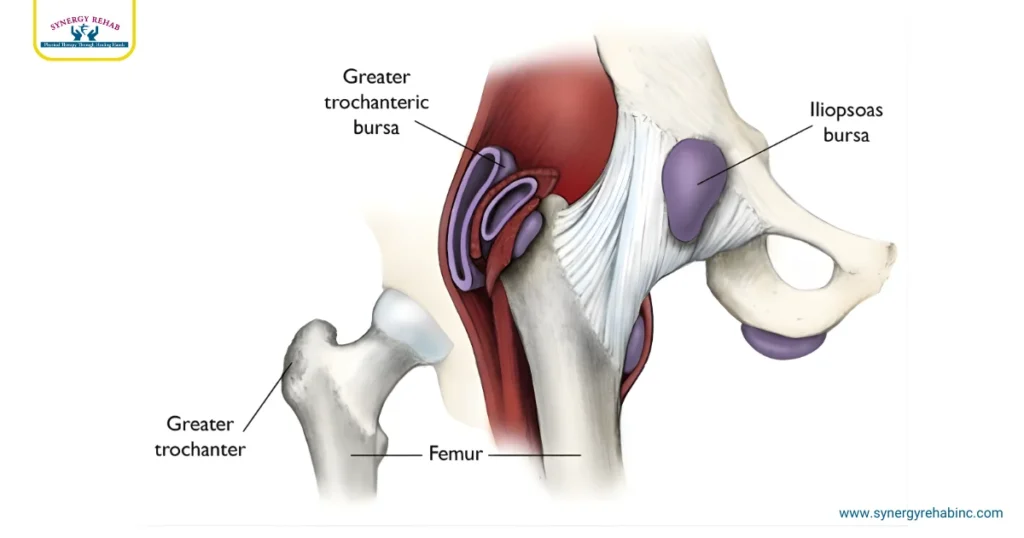
Gluteal tendinopathy is one of the most overlooked causes of hip pain in adults, especially in individuals over 40. It typically causes pain on the outer side of the hip and may worsen during activities such as:
1. Lying on the affected side
2. Climbing stairs
3. Standing on one leg
4. Walking for extended periods
This condition develops when the gluteal tendons are exposed to repetitive strain without adequate strength or recovery. Prolonged sitting weakens the glute muscles. When activity suddenly increases, such as starting a walking program or gym routine, the tendons may become irritated due to insufficient load tolerance.
Without proper rehabilitation, this irritation can become chronic.
2. Early Hip Osteoarthritis
Hip osteoarthritis involves gradual cartilage degeneration within the joint. However, pain severity does not always correlate with imaging findings.
Many adults with moderate arthritis on X-rays report little discomfort, while others with minimal structural changes experience significant pain. This is because pain is influenced by joint loading patterns, inflammation, and neuromuscular control, not just visible cartilage wear.
Early symptoms may include:
1. Morning stiffness
2. Groin pain during movement
3. Reduced range of motion
4. Discomfort after prolonged activity
Appropriate strengthening and mobility work can significantly improve symptoms even in the presence of arthritis.
3. Spine-Related Hip Pain

The lumbar spine and hip joint are biomechanically connected. Dysfunction in the lower back can refer pain directly into the hip region.
Nerve irritation or disc degeneration may produce:
1. Groin pain
2. Pain radiating down the thigh
3. Buttock discomfort
4. Burning or tingling sensations
In these cases, treating only the hip without addressing spinal mechanics may result in incomplete recovery. A thorough evaluation must assess both areas.
4. Muscle Imbalances and Movement Dysfunction
Modern movement patterns significantly contribute to hip pain causes. Long periods of sitting lead to tight hip flexors and weakened glute muscles. Over time, this imbalance alters pelvic positioning and gait mechanics.
Common movement dysfunction patterns include:
1. Excessive lower back rotation during walking
2. Pelvic drop during single-leg stance
3. Limited ankle mobility affecting hip mechanics
4. Uneven weight distribution
These subtle compensations accumulate stress within the hip joint and surrounding tissues, eventually triggering pain.
7 Common Symptoms of Hip Pain in Adults

Hip pain in adults can present in multiple ways depending on the underlying cause. Recognizing symptom patterns helps determine the appropriate treatment approach.
Common symptoms include:
1. Hip pain at night, especially when lying on one side
2. Groin pain during walking or rising from a chair
3. Lateral hip pain with stair climbing
4. Stiffness after prolonged sitting
5. Pain radiating toward the thigh or lower back
6. Reduced hip mobility
7. Clicking or catching sensations
If symptoms persist beyond two to three weeks or progressively worsen, professional evaluation is recommended.
What Happens If Hip Pain Is Left Untreated?
Ignoring hip discomfort can trigger widespread biomechanical consequences.
As pain increases, individuals often subconsciously modify their movement patterns. This may include:
1. Shortening stride length
2. Shifting weight away from the painful side
3. Avoiding stairs
4. Limiting physical activity
Over time, these compensations can lead to:
1. Muscle weakness
2. Increased knee strain
3. Lower back pain
4. Reduced cardiovascular fitness
5. Increased fall risk
What begins as localized hip discomfort can gradually affect the entire kinetic chain.
3 Effective Treatment Options for Hip Pain in Adults

Successful hip pain treatment requires a structured and progressive approach that addresses the underlying cause of symptoms rather than simply masking discomfort. Long-term recovery depends on restoring strength, improving joint mobility, and correcting faulty movement patterns.
An effective hip pain treatment plan should focus not only on relieving symptoms but also on improving how the joint functions during daily activities.
1. Physical Therapy

Physical therapy is the most effective non-surgical treatment for hip pain in adults. A licensed physical therapist performs a detailed movement evaluation to determine whether your pain is caused by muscle imbalance, tendon irritation, joint restriction, spinal involvement, or altered gait mechanics.
For individuals seeking hip pain physical therapy in Southfield, a comprehensive assessment ensures that treatment is tailored to your specific mobility limitations and strength deficits. Treatment is individualized and may include mobility restoration, targeted strengthening, movement retraining, and progressive functional exercises.
Unlike generic online exercise programs, physical therapy ensures that each intervention is tailored to your specific deficits and progressed safely.
This structured approach is a cornerstone of comprehensive hip pain treatment, as it not only reduces pain but also improves long-term joint resilience and prevents recurrence.
2. Medication and Symptom Management
In some cases, short-term symptom management may be necessary to reduce inflammation and allow movement to resume more comfortably. Over-the-counter anti-inflammatory medications or physician-guided prescriptions can help decrease acute irritation.
However, medication alone does not correct the mechanical cause of hip pain. While it may temporarily reduce discomfort, long-term improvement requires restoring strength and movement control through a well-designed hip pain treatment strategy.
3. Surgical Intervention (When Necessary)
Surgery is typically considered only when conservative treatment fails or when significant structural damage is present, such as advanced joint degeneration or fracture.
Most cases of hip pain in adults respond well to non-surgical management. Surgical procedures may repair structural damage, but rehabilitation remains essential afterward to restore strength, stability, and normal function.
When Should You See a Physical Therapist for Hip Pain?

You should consider seeing a physical therapist if your hip pain lasts longer than two to three weeks, worsens over time, or begins interfering with daily activities such as walking, climbing stairs, getting out of a chair, or sleeping comfortably.
Night pain, stiffness, reduced range of motion, or a feeling of instability are also signs that the hip may not be functioning properly. Early physical therapy can help identify the root cause, correct movement dysfunction, and prevent the pain from spreading to the knees or lower back.
If hip pain follows a fall, severe injury, or makes it difficult to bear weight, seek immediate medical attention. In most non-traumatic cases, early intervention with physical therapy leads to faster and more complete recovery.
Overcome Hip Pain with Personalized Care at Synergy Rehab

Living with hip pain in adults is not something you have to accept as normal. Whether your discomfort is mild or persistent, early treatment can prevent long-term mobility issues and secondary joint problems.
At Synergy Rehab, we take a comprehensive approach to hip pain by identifying the root cause and creating a customized treatment plan tailored to your specific needs. Our goal is not just short-term relief, but restoring strength, stability, and confidence in your movement.
If hip pain has been limiting your daily activities, now is the right time to take action.
Contact Synergy Rehab today to schedule your comprehensive hip evaluation and begin your journey toward lasting recovery.
FAQs About Hip Pain
1. Why does my hip hurt more at night when I’m resting?
It often intensifies because prolonged static positions reduce blood flow to irritated tissues, and lying directly on an affected hip compresses sensitive tendons. Additionally, inflammatory markers in your body naturally increase during evening hours, heightening pain perception.
2. Can losing weight actually help my hip pain, and if so, how much difference does it make?
Yes, weight reduction significantly impacts hip joint loading. Research shows that every pound of body weight translates to approximately four pounds of pressure through your hip during walking. Even modest weight loss can result in noticeable symptom improvement within weeks.
3. I’ve had hip pain for years, but my X-rays show minimal arthritis, how is this possible?
Your discomfort likely stems from soft tissue issues like muscle imbalances, movement dysfunction, or pain from your spine rather than joint degeneration. Mechanical hip pain causes often exist independently of visible structural changes.
4. Should I continue my running routine if I have hip pain, or will it make things worse?
Running isn’t automatically harmful, but continuing with inadequate strength accelerates tissue breakdown. If discomfort increases during the run and persists afterward, temporarily reduce speed. If pain improves and doesn’t worsen after running, you can continue at reduced intensity.
5. How can I tell if my hip pain requires surgery or if physical therapy alone will work?
Most hip pain in adults responds to care without surgical intervention. Consider physical therapy if you can bear weight normally, your pain hasn’t resulted from acute trauma. Surgery becomes necessary when severe damage limits basic function despite treatment or when displaced fractures exist.