
Upper back pain can make sitting, reaching, driving, sleeping, or deep breathing uncomfortable. Pain may appear between the shoulder blades, near the neck, along the ribs, or across the mid-back. Often, it comes from posture habits, stiffness, weak shoulder blade muscles, repeated strain, or daily movement patterns.
So, does physical therapy help upper back pain? In many cases, yes. A personalized plan can support Upper back pain relief by improving thoracic mobility, rib movement, posture, shoulder strength, and muscle control.
Why Upper Back Pain Happens
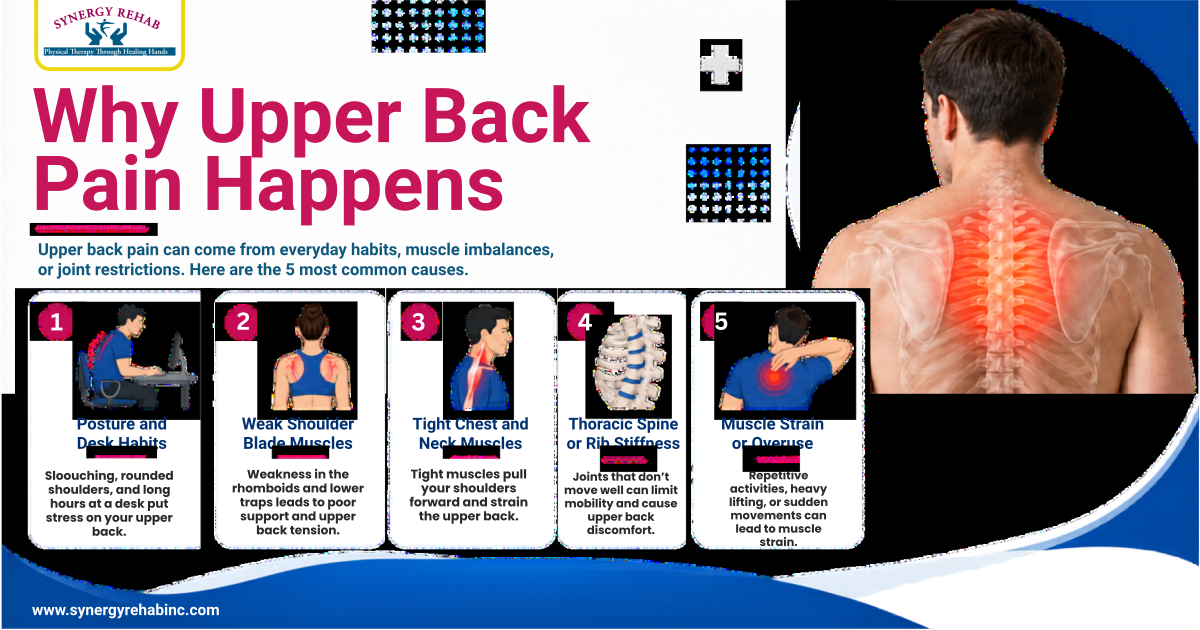
Upper back pain usually affects the thoracic spine, the area from the base of the neck to the lower rib cage. This area includes joints, ribs, discs, nerves, muscles, and shoulder blade attachments. The goal of Upper back pain relief is to reduce irritation and improve movement, strength, and support.
Common reasons include:
1. Posture and Desk Habits
- Long sitting can round the shoulders and push the head forward.
- A low laptop screen, poor chair support, or a far keyboard can increase stress.
- Pain may feel worse after computer work, driving, or phone use.
2. Weak Shoulder Blade Muscles
- The shoulder blades help control reaching, lifting, and arm movement.
- Weak or poorly coordinated shoulder blade muscles can overload the upper back.
- Many upper back pain treatment plans include strengthening these muscles.
3. Tight Chest and Neck Muscles
- Tight chest muscles can pull the shoulders forward.
- Tight neck muscles can change head position and increase upper back strain.
- Stretching tight areas and strengthening support muscles may improve Upper back pain relief.
4. Thoracic Spine or Rib Stiffness
- The thoracic spine and ribs move during twisting, reaching, bending, and breathing.
- Stiffness may cause discomfort with deep breathing, turning, or overhead movement.
- Physical Therapy for Back Pain can check how your spine, ribs, and shoulders move together.
5. Muscle Strain or Overuse
- Sudden lifting, twisting, sports, yard work, or carrying heavy bags can strain upper back muscles.
- Pain may start sharp, then turn into stiffness, spasms, or soreness.
- Recovery often starts with calming irritation, avoiding repeated strain, and rebuilding strength gradually.
Does Physical Therapy Help Upper Back Pain?
Does physical therapy help upper back pain? In many cases, yes, but it depends on the cause, pain level, symptom duration, and any warning signs.
Physical therapy can help with posture, muscle strain, stiffness, shoulder weakness, and movement-related pain. Physical therapists in Southfield can check your neck, ribs, shoulders, posture, and daily habits to build a practical plan for Upper back pain relief.
What a Physical Therapist Checks for Upper Back Pain
A good evaluation does not only ask, “Where does it hurt?” It looks at how your neck, upper back, ribs, shoulders, and daily habits interact. This helps the therapist choose the right care instead of guessing.
| What the Therapist Checks | Why It Matters |
| Posture during sitting and standing | Shows whether the upper back is under repeated daily stress |
| Neck and thoracic motion | Helps find stiffness, pain triggers, or referral patterns |
| Shoulder blade control | Shows whether the scapular muscles support reaching and lifting |
| Rib mobility and breathing pattern | Helps explain pain with twisting, deep breathing, or chest expansion |
| Muscle strength and endurance | Finds weak areas that may overload the painful region |
| Nerve symptoms | Screens for numbness, tingling, weakness, or radiating pain |
| Workstation and daily habits | Connects symptoms with repeated postures and movement patterns |
| Lifting and reaching mechanics | Helps reduce strain during chores, work, and exercise |
This evaluation is one reason Physical Therapy for Back Pain can be more useful than random online exercises. Exercises are helpful only when they match the person’s movement limits and symptom behavior.
How Physical Therapy Relieves Upper Back Pain
Physical therapy works best when it supports short-term comfort and long-term correction. The goal is to calm pain first, then rebuild movement, strength, and control for daily life.
1. Pain-Calming Strategies
- Gentle mobility
- Supported resting positions
- Heat or ice guidance
- Soft tissue work
- Breathing drills
- Advice on movements to limit for a short time
These steps help reduce guarding and make it easier to move safely during upper back pain treatment.
2. Thoracic Mobility Work
- Cat-cow
- Open-book rotation
- Thread-the-needle
- Thoracic extension
- Controlled breathing exercises
These movements may support Upper back pain relief when stiffness in the spine or ribs is part of the problem.
3. Shoulder Blade Strengthening
- Scapular squeezes
- Rows
- Band pull-aparts
- Wall slides
- Lower-trap strengthening
This part of Physical Therapy for Back Pain helps improve shoulder blade control, which can reduce strain during sitting, lifting, reaching, and exercise.
4. Manual Therapy
- Joint mobilization
- Soft tissue techniques
- Rib mobility work
- Hands-on movement guidance
Manual therapy may reduce stiffness and improve comfort, especially when combined with exercise and posture training.
5. Posture and Ergonomic Coaching
A therapist may review:
- Monitor height
- Chair support
- Keyboard reach
- Phone position
- Driving posture
- Lifting setup
- Movement breaks
This is helpful for people searching for back pain treatment in Southfield, especially when pain is linked to desk work or daily habits.
6. Long-Term Strength and Movement Training
- Progressive rows
- Carrying exercises
- Core control
- Shoulder stability
- Thoracic mobility
- Safe return-to-lifting practice
Long-term progress comes from treating the repeated stress pattern, not just the painful spot. Consistent home exercises and habit changes can turn short-term comfort into lasting Upper back pain relief.
Upper Back Pain Between the Shoulder Blades
Pain between the shoulder blades may feel like tightness, burning, pressure, or a sharp spot. Common causes include rounded posture, rhomboid or trapezius strain, thoracic stiffness, neck referral, shoulder blade weakness, or repeated reaching.
A good care plan does more than treat the sore area. It checks why that area is overloaded. Tight chest muscles, weak shoulder blade control, or a stiff mid-back can keep the pain coming back. If pain is new, severe, linked with chest symptoms, or does not change with position, medical care should come first.
Best Physical Therapy Exercises for Upper Back Pain
The best exercise depends on the cause of pain. A stiff upper back needs a different approach than irritated nerves, acute strain, or pain linked with breathing symptoms. Still, these exercises are commonly used in physical therapy when appropriate.
| Exercise | What It May Help |
| Cat-cow | Gentle spinal movement and warm-up |
| Thoracic extension | Mid-back stiffness from sitting |
| Thread-the-needle | Thoracic rotation and shoulder mobility |
| Open-book rotation | Upper back and rib mobility |
| Scapular squeeze | Shoulder blade awareness and control |
| Band rows | Upper back and postural strength |
| Wall angels | Shoulder mobility and posture training |
| Doorway chest stretch | Tight chest and rounded shoulders |
| Chin tucks | Forward head posture and neck control |
For safe Upper back pain relief, exercises should not cause sharp pain, numbness, tingling, dizziness, chest symptoms, or worse pain after activity. Start gently and stop if symptoms increase.
When Upper Back Pain May Be Serious
Most upper back pain comes from muscles, joints, posture, or activity, but some symptoms need medical care. Do not ignore pain with chest pain, shortness of breath, fever, dizziness, sudden severe pain, unexplained weight loss, injury, weakness, numbness, or bowel or bladder changes.
Pain that is constant, worse at night, or not improving should also be checked. If serious symptoms are not present, physical therapists in Southfield can evaluate movement, strength, posture, rib mobility, and daily triggers.
Build a Safer Recovery Plan With Synergy Rehab
Synergy Rehab helps patients understand what may be causing upper back pain and what steps can support safer movement. If your pain affects sitting, reaching, lifting, sleep, posture, or daily activity, a physical therapy evaluation can help identify stiffness, weakness, movement limits, and habits that may be adding stress to your upper back.
A personalized plan may include mobility work, strengthening, posture guidance, hands-on care, and home exercises based on your symptoms. If you are looking for upper back pain treatment or back pain treatment in Southfield, Synergy Rehab can help you take the next step toward better comfort and long-term function.
FAQs About Upper Back Pain
Q1. Does physical therapy help upper back pain?
Yes, physical therapy may help upper back pain when the cause is related to posture, muscle strain, stiffness, shoulder blade weakness, or daily movement habits. A therapist can check how your neck, ribs, shoulders, and upper back move together.
Q2. What causes upper back pain between the shoulder blades?
Pain between the shoulder blades may come from a rounded posture, weak shoulder blade muscles, thoracic stiffness, tight chest muscles, neck referral, or repeated reaching and lifting.
Q3. What is the best upper back pain treatment?
The best upper back pain treatment depends on the cause. Many people benefit from a plan that includes mobility work, strengthening, posture coaching, manual therapy, ergonomic advice, and home exercises.
Q4. Can poor posture cause upper back pain?
Yes. Long sitting, forward head posture, rounded shoulders, low screen height, and phone use can place extra stress on the upper back and shoulder blade muscles.
Q5. What exercises help with upper back pain relief?
Common exercises may include cat-cow, thoracic extension, thread-the-needle, scapular squeezes, wall angels, rows, and doorway chest stretches. Exercises should be chosen based on symptoms and comfort level.
Q6. When should I see a physical therapist for upper back pain?
You should consider seeing a physical therapist if pain lasts more than a few days, keeps returning, affects sleep or work, limits reaching or lifting, or does not improve with gentle movement and posture changes.