
Back pain is not one single problem. The main types of back pain can be grouped by how long pain lasts, where it appears, what triggers it, and whether symptoms travel into the leg. Many cases improve with conservative care, but pain with weakness, numbness, fever, injury, or bladder or bowel changes needs medical attention quickly.
For patients who want a movement-based recovery plan, Synergy Rehab helps connect the types of back pain with strength, mobility, posture, and daily function.
What are the 4 Common Types of Back Pain?
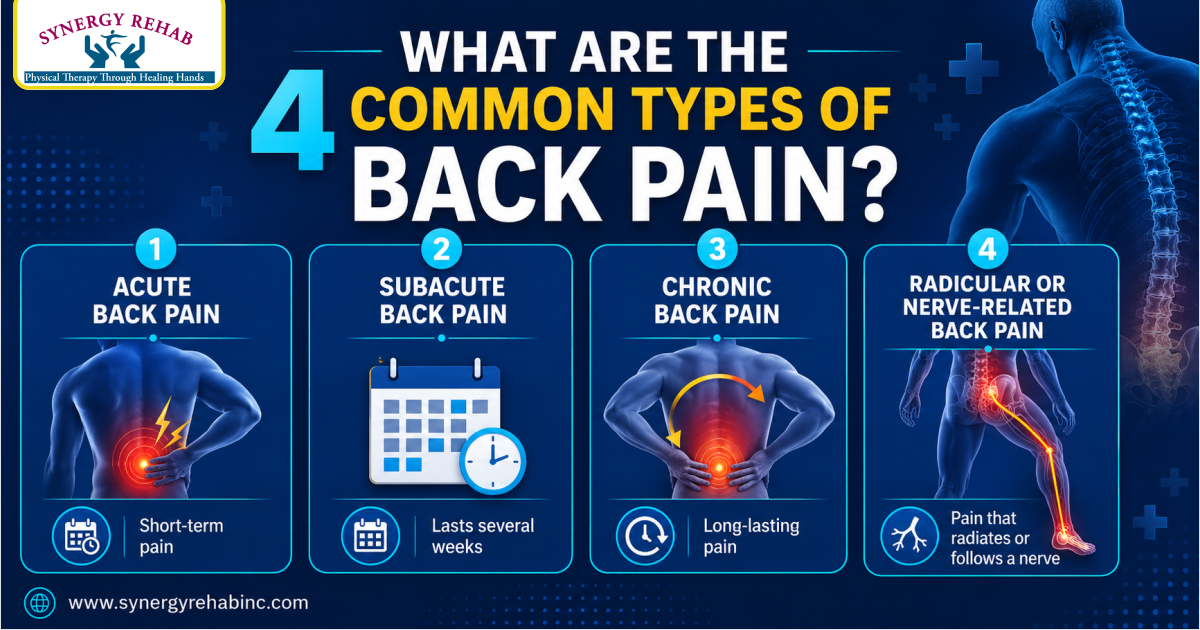
The 4 common types of back pain are acute back pain, subacute back pain, chronic back pain, and radicular or nerve-related back pain.
1. Acute Back Pain
Acute back pain starts suddenly and usually follows a clear trigger such as lifting, twisting, a fall, sports activity, or muscle strain. The causes of acute back pain often include muscle overload, ligament sprain, poor lifting form, sudden awkward movement, or a quick return to activity after rest. This type may feel sharp, tight, or locked up during bending and walking.
2. Subacute Back Pain
Subacute pain lasts longer than early acute pain but has not yet become chronic. This stage matters because symptoms may improve slowly, return with activity, or create fear of movement. Among the types of back pain, subacute pain is often the stage where better movement habits, posture changes, and strengthening can reduce the risk of long-term symptoms.
3. Chronic Back Pain
Chronic back pain usually lasts more than 12 weeks and may affect movement, daily function, and quality of life. It can be linked to spinal stiffness, disc irritation, arthritis, nerve sensitivity, weak muscles, old injuries, or repeated strain.
4. Radicular or Nerve-Related Back Pain
Radicular back pain travels from the lower back into the buttock, hip, leg, or foot. It may feel sharp, burning, tingling, numb, or electric.
This type of back pain may happen when a nerve is irritated or compressed. Physical therapy may help with nerve mobility, posture changes, symptom-based exercises, and safe movement training.
Acute vs Chronic Back Pain: Key Differences
Understanding acute vs chronic back pain helps patients know whether the goal is to calm a new injury or rebuild long-term function.
| Factor | Acute Back Pain | Chronic Back Pain |
| Timeline | New or short-term pain | Pain lasting more than 12 weeks |
| Start | Often sudden | Gradual, recurring, or ongoing |
| Common triggers | Lifting, twisting, falling, or straining | Sitting, standing, weakness, or repeated stress |
| Pain pattern | Sharp, tight, or movement-limited | Dull, stiff, burning, recurring, or persistent |
| Main cause pattern | Usually easier to identify after a clear event | Often harder to trace to one single injury |
| Care focus | Calm pain and restore safe motion | Build strength, mobility, confidence, and function |
Where Back Pain Happens: Lower, Middle, and Upper Back
Location also matters when reviewing the types of back pain. A patient may have symptoms in the lower, middle, or upper back, and each area may respond to different movement strategies.
1. Lower Back Pain
Lower back pain is common because the lumbar spine supports body weight and handles bending, lifting, sitting, and walking. It may be due to muscle strain, hip stiffness, poor lifting mechanics, disc irritation, or weak core and glute muscles.
2. Middle Back Pain
Middle back pain may involve the thoracic spine, ribs, posture, breathing mechanics, or muscle tension from long desk work. Physical therapy may include thoracic mobility, shoulder blade control, and posture retraining.
3. Upper Back Pain
Upper back pain may be connected with neck position, shoulder weakness, screen posture, or repeated reaching. Treatment may include neck mobility, shoulder blade strengthening, ergonomic coaching, and soft tissue work.
Symptoms That Help Identify the Type of Back Pain
The symptoms often show which care path fits best. These pain patterns may overlap, so the goal is to look at the full picture instead of one symptom.
1. Acute Pain Symptoms
Acute pain may include sudden, sharp pain, muscle spasm, tightness, difficulty bending, and pain after lifting or twisting. Causes of acute back pain can include sports activities, poor body mechanics, and sudden overload during daily tasks.
2. Chronic Pain Symptoms
Chronic pain may include morning stiffness, recurring flare-ups, pain after sitting or standing too long, sleep disruption, reduced activity tolerance, and fear of movement. This is where acute vs. chronic back pain should be clearly explained to patients, because chronic pain often requires a broader plan than rest or temporary relief.
3. Nerve-Related Symptoms
Nerve-related pain may include burning, tingling, numbness, shooting pain, or weakness in the buttock, leg, or foot. Pain that travels below the knee or causes weakness should be checked by a healthcare provider.
How Physical Therapy Helps Back Pain
Physical therapy helps by matching care to the movement problem, not only the pain location. This makes it easier to choose a common back pain treatment that fits the patient’s symptoms, goals, and daily routine.
1. Movement Assessment
A therapist checks bending, walking, sitting, lifting, hip motion, core control, balance, and pain response. Physical therapists for back pain in Southfield can use this information to understand whether the pain pattern is more related to stiffness, weakness, nerve irritation, posture, or repeated strain.
2. Pain Relief Strategies
Common back pain treatments may include gentle exercises, hands-on care, guidance on heat or cold, stretching, mobility drills, and activity modification. The plan should match the pain stage to prevent the patient from doing too much too soon.
3. Strength and Stability Training
Back pain often improves when the core, hips, glutes, and spinal support muscles work together. Physical therapists for back pain in Southfield may build a plan around safe strengthening, movement control, and gradual loading.
4. Posture and Ergonomic Coaching
Posture is not about sitting all day perfectly. It is about changing positions, reducing repeated stress, and improving how the body handles work, driving, lifting, and sleep. A common back pain treatment plan may include workstation changes, lifting education, and home exercises.
5. Return-to-Activity Plan
After acute or recurring pain, patients need a clear path back to work, sports, gym activity, or normal daily tasks. Physical therapists for back pain in Southfield can help progress activity in stages so that pain does not keep returning.
When Back Pain Needs Medical Care
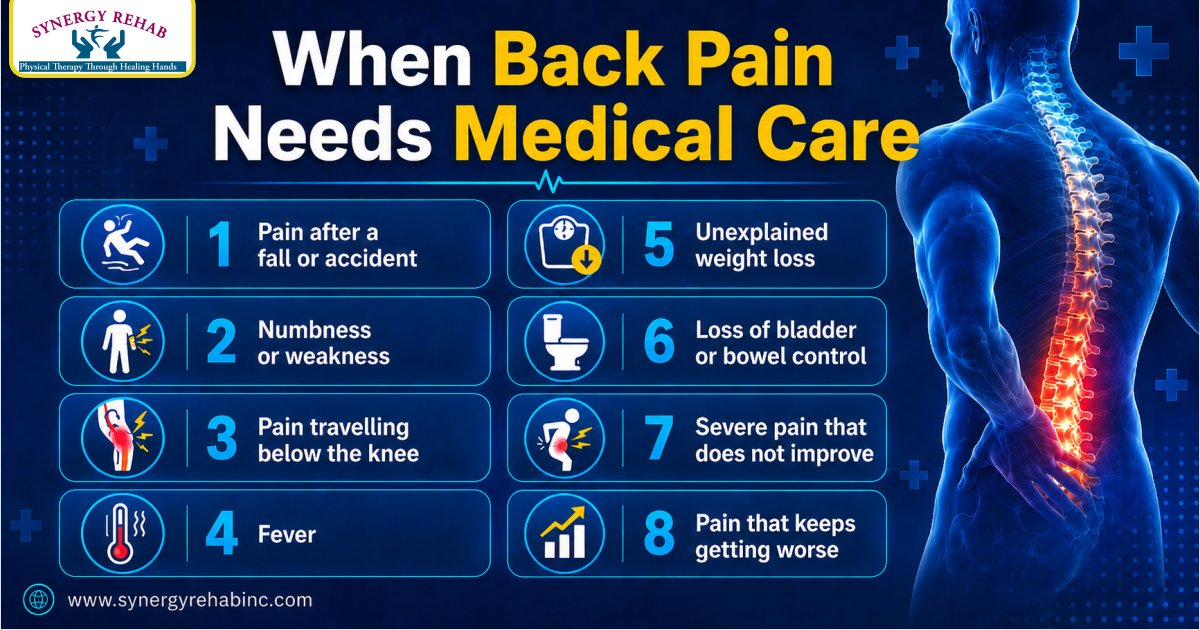
Seek medical help quickly if back pain comes with:
- Pain after a fall or accident
- Numbness or weakness
- Pain travelling below the knee
- Fever
- Unexplained weight loss
- Loss of bladder or bowel control
- Severe pain that does not improve
- Pain that keeps getting worse
Physical therapy is useful for many back pain cases, but red-flag back pain symptoms need medical evaluation first.
Find the Right Physical Therapy Plan for Back Pain

Synergy Rehab helps patients understand the types of back pain and choose the right physical therapy plan for their symptoms. Whether your pain started suddenly, has lasted for months, or travels into your leg, understanding acute vs chronic back pain can guide the next step. The team can evaluate your movement, strength, posture, and daily activity limits.
If you are looking for physical therapists for back pain in Southfield, schedule a physical therapy evaluation with Synergy Rehab. Get a personalised plan that supports pain relief, safer movement, stronger function, and long-term back health.
FAQs about 4 Common Types of Back Pain
Q1. What are the 4 common types of back pain?
The 4 common types are acute back pain, subacute back pain, chronic back pain, and radicular (nerve-related) back pain.
Q2. Can physical therapy help acute back pain?
Yes. Physical therapy may help acute back pain by improving movement, reducing stiffness, calming symptoms, and helping you return to daily activities safely.
Q3. Can physical therapy help chronic back pain?
Yes. For chronic back pain, physical therapy focuses on strength, mobility, posture, endurance, pain education, and long-term function.
Q4. What type of back pain goes down the leg?
Back pain that travels into the buttock, hip, leg, or foot may be nerve-related. This can happen with sciatica or nerve irritation.
Q5. When should I see a physical therapist for back pain?
You may consider physical therapy if back pain limits movement, keeps coming back, affects work or sleep, or does not improve with basic care.