

Plantar Fasciitis Pain: Causes, Symptoms, and Treatment
The Unexpected Pain That Puts You Off Your Feet! Have you ever woken up eager to start the day, only to be met with a sharp, stabbing pain in your heel the moment you take your first step? This isn’t just the typical morning stiffness; it’s a debilitating discomfort that makes every movement excruciating. If this sounds familiar, you might be dealing with plantar fasciitis pain—a common yet often misunderstood condition that can leave you sidelined from your favorite activities. Plantar fasciitis heel pain is not just a nuisance; it’s a condition that can severely impact your quality of life. Whether you’re an athlete, a busy professional, or someone who enjoys daily walks, understanding this condition is crucial for finding relief and getting back to your routine. What is Plantar Fasciitis? Plantar fasciitis is a severe kind of foot pain which occurs when the plantar fascia, a thick band of tissue stretching across the bottom of your foot from the heel to the toes, becomes inflamed. This tissue is crucial for supporting your foot’s arch and absorbing shock as you walk or run. However, excessive stress on the plantar fascia can cause small tears, resulting in inflammation and pain. The heel and arch pain associated with plantar fasciitis can be intense, often described as a sharp or stabbing sensation, particularly with the first steps in the morning or after long periods of sitting. But what causes this seemingly sudden onset of pain? Causes of Plantar Fasciitis Pain Plantar fasciitis pain can be attributed to several factors, often a combination of them: Symptoms: When to Be Concerned You can identify plantar fasciitis by a sharp pain occurring at the bottom of your heel that can also spread into the arch of your foot. This pain typically worsens with: If left untreated, plantar fasciitis heel pain can become chronic, leading to more severe complications, such as heel spurs or altered walking patterns that may affect other parts of your body, including your knees and hips. Treatment: Finding Relief from Plantar Fasciitis Pain Effective treatment for plantar fasciitis pain requires a multifaceted approach, focusing on reducing inflammation, stretching and strengthening the affected area, and correcting any underlying biomechanical issues. 1. Physical Therapy: Your Path to Recovery If you want to go for a natural treatment for plantar fasciitis, physical therapy stands out as one of the most effective options. A skilled physical therapist nearby can craft a customized program just for you, which may include: At Synergy Rehab in Southfield, Michigan, we specialize in physical therapy for foot pain, offering a comprehensive approach to treating plantar fasciitis. Our skilled therapists collaborate with you to create a personalized plan that not only eases your pain but also targets the underlying cause, giving you lasting relief. 2. Lifestyle Modifications: Steps You Can Take In addition to physical therapy, making simple lifestyle changes can significantly improve your condition: Don’t Let Plantar Fasciitis Pain Hold You Back Plantar fasciitis pain can be persistent and frustrating, but with the right treatment and care, relief is possible. Whether through physical therapy, lifestyle adjustments, or a combination of both, taking proactive steps to address your symptoms can help you regain control of your life. At Synergy Rehab in Southfield, Michigan, we are committed to helping you overcome plantar fasciitis and any other foot pain challenges you may face. Don’t let plantar fasciitis heel pain keep you from doing what you love—schedule a consultation with our experienced physical therapists today and start your journey toward pain-free living. FAQs for Plantar Fasciitis 1. Can plantar fasciitis pain go away on its own? Plantar fasciitis pain may subside with rest and home remedies, but if it persists, professional treatment is essential to prevent chronic issues. 2. How long does it take for physical therapy to relieve plantar fasciitis pain? Relief can vary, but most patients see significant improvement within 6-8 weeks of consistent physical therapy. 3. Are there any exercises I should avoid with plantar fasciitis? Steer clear of high-impact activities like running or jumping until your symptoms get better. Instead, try low-impact exercises like swimming or cycling to stay active without putting extra strain on your feet. 4. Can I wear orthotics to help with plantar fasciitis? Absolutely! Custom orthotics can offer extra support and help relieve pressure on your plantar fascia, working hand-in-hand with your physical therapy for foot pain. 5. What can I do to prevent plantar fasciitis from recurring? Maintain a healthy weight, wear supportive footwear, and continue with the stretching and strengthening exercises prescribed when looking for a physical therapist near me.
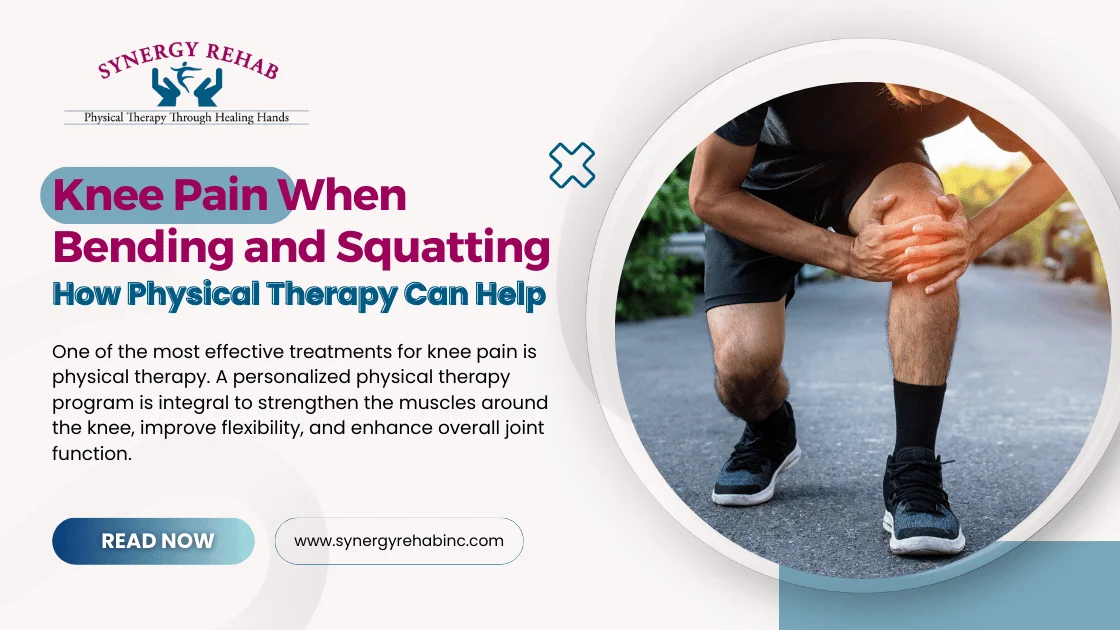
Knee Pain When Bending and Squatting: How Physical Therapy Can Help
Imagine trying to bend down to pick up a child or squat to grab something from a low shelf, only to be met with sharp, debilitating knee pain when bending. This all-too-common experience can turn simple daily tasks into daunting challenges. But there’s hope. If you understand the causes of knee pain and explore effective treatment options, such as physical therapy for knee pain, it can significantly improve quality of life. Why Knee Pain Occurs When Bending and Squatting Let’s understand first thing: the knee joint is a complex structure made up of of bones, cartilage, ligaments, and tendons. It is one of the largest and most stressed joints in the body, particularly during activities like bending and squatting. Knee pain when bending or squatting often results from various factors: Symptoms and Diagnosis Knee pain when bending or squatting may be accompanied by various symptoms, including: To devise an appropriate physical therapy treatment plan for knee pain, a physical therapist will examine the knees properly to understand the cause of knee pain. This includes assessing the patient’s medical history, performing a physical evaluation, and possibly recommending imaging tests such as X-rays or MRI scans. Knee Pain Treatment Options Treatment for knee pain when bending or squatting depends on the underlying cause. Common treatment options include: How Physical Therapy Can Help Physical therapy plays a crucial role in treating knee pain when bending or squatting. The primary goals of physical therapy for knee pain are to reduce pain, restore function, and prevent further injury. Here’s how physical therapy can help: Prevention Tips for Knee Pain When Bending Preventing knee pain involves maintaining a healthy lifestyle and adopting habits that protect the knee joint. Here are some tips to prevent knee pain: The Final Thoughts Knee pain when bending and squatting can significantly impact daily life, but effective treatment options are available. Physical therapy for knee pain offers a comprehensive approach to managing symptoms, improving function, and preventing further injury. By incorporating strengthening exercises, flexibility training, and pain management techniques, physical therapy can help individuals return to their daily activities pain-free. For expert care and personalized treatment plans, visit Synergy Rehab, a physical therapy clinic in Southfield, MI. Our experienced physical therapists are dedicated to helping you achieve optimal knee health and overall well-being. Experience the benefits of specialized physical therapy for knee pain at Synergy Rehab. Contact us today to schedule your appointment and take the first step toward a pain-free life. FAQs About Knee Pain When Bending and Squatting 1. Are there specific exercises I should avoid if I have knee pain when bending or squatting? Yes, exercises that place excessive stress on the knees, such as deep squats, lunges with heavy weights, and high-impact activities like running or jumping, should be avoided. Consult a physical therapist for tailored exercise recommendations. 2. Can diet affect knee pain when bending or squatting? Yes, a diet rich in anti-inflammatory foods like fruits, vegetables, and omega-3 fatty acids can help reduce inflammation and support joint health, potentially alleviating knee pain when squatting. 3. What role does footwear play in managing knee pain when bending or squatting? Wearing supportive and well-cushioned footwear can help absorb shock, provide stability, and reduce stress on the knee joint during daily activities and exercise. 4. How does weight impact knee pain when bending or squatting? Excess body weight increases the load on the knee joints, which can exacerbate pain and contribute to the development of conditions like osteoarthritis. Maintaining a healthy weight can alleviate pressure on the knees. 5. Are there any alternative therapies that can complement physical therapy for knee pain? Yes, alternative therapies such as acupuncture, chiropractic care, and yoga can complement physical therapy by providing additional pain relief and promoting overall joint health.
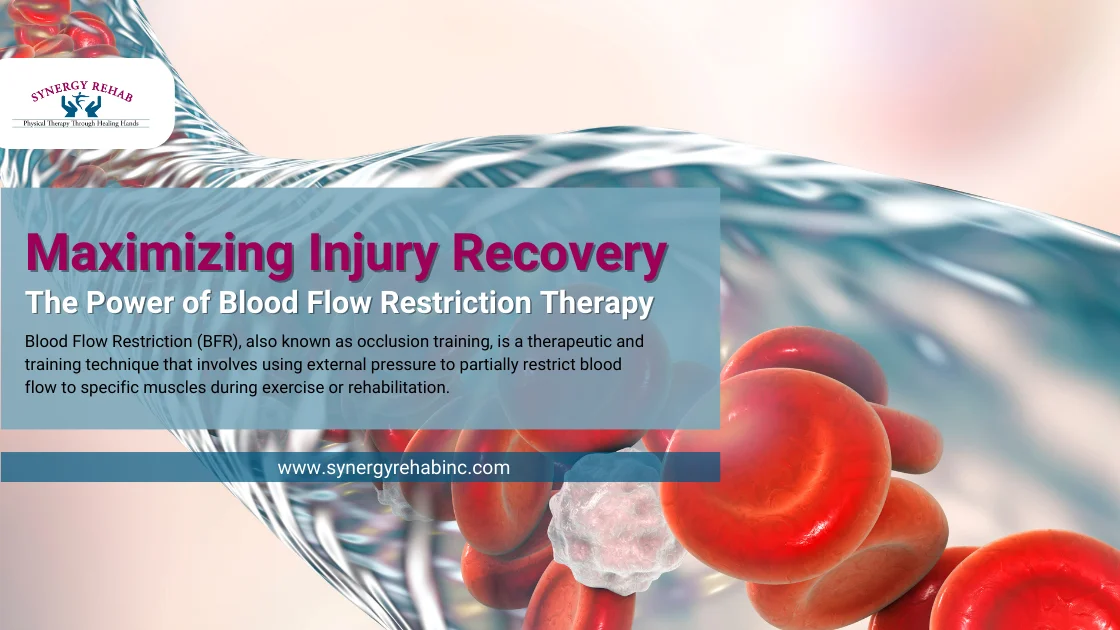
Maximizing Injury Recovery: The Power of Blood Flow Restriction Therapy
Blood flow restriction therapy (BFR) is revolutionizing the landscape of physical rehabilitation and injury recovery. This innovative technique, increasingly utilized in blood flow restriction physical therapy, offers a promising solution for those aiming to expedite their recovery process. In this article, we’ll explore the mechanics, benefits, and applications of BFR, especially in the context of injury recovery. What is Blood Flow Restriction? Blood Flow Restriction (BFR), also known as occlusion training, is a therapeutic and training technique that involves using external pressure to partially restrict blood flow to specific muscles during exercise or rehabilitation. This is typically achieved by applying tourniquets or specialized cuffs to the proximal part of the limbs, such as the upper arms or thighs. The pressure applied is carefully controlled and individualized, allowing arterial blood flow to the muscles while restricting venous return. Image Source: ONNIT The primary goal of Blood Flow Restriction is to create a hypoxic (low-oxygen) environment within the muscles being targeted. This process triggers a series of physiological responses that can lead to various benefits, especially in terms of muscle adaptation, rehabilitation, and strength development. Benefits of Blood Flow Restriction Therapy Blood Flow Restriction (BFR) therapy has gained attention and recognition for its various benefits in both rehabilitation and athletic training contexts. Some of the key benefits include: 1. Muscle Hypertrophy (Growth): BFR therapy has been shown to stimulate muscle hypertrophy, even with low-intensity resistance exercises. This is particularly valuable for individuals who may have limitations in lifting heavy weights, such as those recovering from injuries or surgeries. 2. Strength Gains: BFR allows individuals to achieve significant strength gains with lower resistance loads. This is beneficial for people who may have difficulty with traditional high-load resistance training due to injury, joint issues, or other health conditions. 3. Rehabilitation: BFR is increasingly used in rehabilitation settings to prevent muscle atrophy and promote early muscle activation. It is particularly helpful for individuals recovering from surgeries or injuries where traditional resistance training may be challenging. 4. Reduced Joint Stress: The use of lower resistance loads in BFR places less stress on the joints compared to traditional high-load resistance training. This makes it a potentially safer option for individuals with joint issues or those recovering from joint-related injuries. 5. Pain Management: BFR therapy has shown promise in managing pain, especially in conditions like osteoarthritis. The localized metabolic stress induced by BFR may contribute to pain relief and improved joint function. Types of Injuries Treated with BFR Blood Flow Restriction (BFR) therapy is utilized in the treatment of various injuries, particularly in the field of rehabilitation. Some types of injuries that may benefit from BFR therapy include: 1. Muscle Injuries: BFR is commonly used in the rehabilitation of muscle injuries, such as strains and tears. By promoting muscle activation and growth with lower-intensity exercises, BFR helps prevent muscle atrophy and accelerates the recovery process. 2. Post-Surgical Rehabilitation: BFR is frequently incorporated into post-surgical rehabilitation programs, especially after procedures involving joints or muscles. It helps maintain muscle mass and function during the initial stages of recovery when traditional high-load resistance training may be limited. 3. Joint Injuries: BFR therapy may be applied in cases of joint injuries, such as ligament sprains or cartilage damage. The ability to achieve muscle activation with lower resistance loads minimizes stress on the affected joint while still promoting strength and stability. 4. Fracture Recovery: Individuals recovering from fractures may use BFR therapy to maintain muscle strength and function during the immobilization period. It provides a means of exercise that doesn’t put excessive strain on the healing bone. 5. Nerve Injuries: BFR therapy may be considered in cases of nerve injuries or neuropathies. The controlled blood flow restriction allows for targeted exercises to stimulate muscle activation without causing additional stress on the affected nerves. Blood Flow Restriction Therapy in Physical Therapy Blood Flow Restriction (BFR) therapy is emerging as a revolutionary technique in physical therapy, complementing traditional rehabilitation methods. Offered by physical therapists in Southfield, this approach involves applying a specialized tourniquet to an injured limb, reducing blood flow and creating a low-oxygen environment in the muscles. This unique condition enables muscle strengthening and growth at lower exercise intensities, ideal for patients unable to perform high-load workouts due to injury or post-surgery limitations. BFR therapy, as provided by the best physical therapists in Southfield, offers significant benefits, including accelerated muscle strength gains, enhanced endurance, and quicker recovery times, without the stress of intense exercises. Image Source: Freepik Conclusion Blood Flow Restriction (BFR) Therapy represents a significant evolution in the field of injury recovery and physical rehabilitation. Its unique methodology, skillfully combining low-intensity exercise with restricted blood flow, provides a route to expedited recovery, enhanced muscle strength, and improved rehabilitation outcomes, all without the strain of high-load exercises. This inventive technique proves beneficial not just for athletes and individuals recovering from surgeries but also serves as a valuable asset for those facing limitations due to chronic conditions or age-related muscle loss. For those seeking to incorporate this cutting-edge therapy into their recovery process, Synergy Rehab Inc. offers expert guidance and personalized care. Embrace the power of Blood Flow Restriction Therapy with the professionals at Synergy Rehab and step into a world where optimal recovery is not just a goal, but a reality. Visit our website to learn more and to schedule your appointment. Let’s work together to maximize your injury Frequently Asked Questions Q1: What is Blood Flow Restriction Therapy (BFR)?Blood Flow Restriction Therapy is a rehabilitation technique where a cuff or tourniquet is applied to restrict blood flow to the limbs during low-intensity exercise, promoting muscle strength and hypertrophy with reduced stress on tissues. Q2: How does Blood Flow Restriction Therapy enhance recovery? Blood Flow Restriction Therapy at Synergy Rehab accelerates recovery by allowing significant muscle growth and strength benefits from lower-intensity workouts, making rehabilitation more efficient and effective. Q3: What benefits does Blood Flow Restriction Therapy offer? BFR benefits include quicker recovery times, restoration of muscle function, and improved cardiovascular health, even

5 Mental and Physical Wellbeing Tips for 2024 from Best Physical Therapist in Southfield
While serving as a physical therapist in Southfield, I’ve seen firsthand the importance of maintaining both mental and physical well-being. The year 2024 presents new challenges and opportunities in this realm, and I’m excited to share five key tips to help you stay at your best while undergoing physical therapy. Remember, as Joseph Pilates once said, “Physical fitness is the first requisite of happiness.” Let’s dive into mental and physical fitness! 1. Mindful Movement: Integrating Mind and Body Physical therapy isn’t just about healing; it’s about holistic well-being. A study published in the Journal of Physical Therapy Science emphasizes the benefits of integrating mindful practices like yoga or Tai Chi into your routine. These disciplines help in managing physical therapy for back pain and neck pain, not only by strengthening and stretching the body but also by bringing a sense of mental calm and focus. Incorporating these practices can aid in improving body awareness and reducing stress. Also, Yoga is the best mental health therapy. Tip: Dedicate a few minutes each day to mindful movement. Even just 10 minutes can make a difference. Why It Works: According to a study published in JAMA Internal Medicine, mindfulness and meditation can help ease psychological stresses like anxiety, depression, and pain. Quote to Remember: “The thing about meditation is: You become more and more you.” – David Lynch 2. Regular Physical Activity Along with Physical Therapy: The Backbone of Wellness Consistent physical activity is crucial. It’s not just about intense workouts; even moderate activities like walking or swimming can make a huge difference. The American Heart Association suggests at least 150 minutes per week of moderate-intensity aerobic activity for overall cardiovascular health. Regular exercise helps in managing back and neck pain by strengthening the muscles that support these areas, thereby reducing strain and discomfort. Tip: Engage in physical activities that you enjoy. It could be anything from brisk walking to swimming or even dance classes. Why It Works: Physical activity is not just about physical therapy for back pain or neck pain. It’s a proven stress reliever and mood booster. The American Heart Association recommends at least 150 minutes of moderate-intensity aerobic activity each week for adults. Quote to Remember: “Movement is a medicine for creating change in a person’s physical, emotional, and mental states.” – Carol Welch 3. Ergonomic Adjustments: Your Workspace Matters With many of us spending hours at our desks, ergonomic adjustments are more important than ever. A research article from Applied Ergonomics highlights how proper ergonomic setups can significantly reduce the risk of neck and back pain. Consider a standing desk or an ergonomic chair, and ensure your computer screen is at eye level to avoid slouching. Tip: Regularly adjust your sitting position. Changing your posture throughout the day can help prevent muscle stiffness and fatigue and improve physical fitness. For instance, alternate between sitting and standing if you have an adjustable desk. Why It Works: Ergonomic adjustments work by aligning your body in a natural position that reduces stress on your spine, muscles, and joints. When your workspace is set up correctly, it minimizes the unnatural strain on your body, which is a common cause of workplace-related musculoskeletal disorders. Quote to Remember: “Design is not just what it looks like and feels like. Design is how it works.” – Steve Jobs. 4. Balanced Nutrition: Fuelling Your Body and Mind Nutrition plays a pivotal role in physical and mental health and wellness. As Hippocrates said, “Let food be thy medicine and medicine be thy food.” A balanced diet rich in anti-inflammatory foods can help in managing pain and promote overall health. Incorporating omega-3 fatty acids, found in fish and flaxseeds, and antioxidants, found in fruits and vegetables, can be particularly beneficial for those dealing with chronic pain. Tip: Hydration is key to physical fitness. Drinking enough water throughout the day aids in digestion, absorption of nutrients, and elimination of waste. Staying hydrated can also help in reducing pain flare-ups and improving cognitive function. Why It Works: A diet rich in anti-inflammatory foods and sufficient hydration works by reducing inflammation in the body. Chronic inflammation is often linked to a host of health issues, including chronic pain. Foods rich in omega-3 fatty acids and antioxidants help to combat this inflammation, while proper hydration ensures that nutrients are efficiently transported throughout the body and waste products are removed. Quote to Remember: “You are what you eat, so don’t be fast, cheap, easy, or fake.” 5. Quality Rest and Sleep: The Foundation of Recovery Never underestimate the power of good sleep. The National Sleep Foundation outlines that adults need 7-9 hours of sleep per night for optimal health. Quality sleep is essential for the body’s healing and recovery processes, especially when undergoing physical therapy. It’s during sleep that the body repairs muscle tissue and restores energy levels. Tip: Create a restful environment. Ensure your bedroom is conducive to sleep — cool, dark, and quiet. Consider using blackout curtains, eye shades, earplugs, or “white noise” machines to block out disturbances. Why It Works: Quality sleep works as a restorative process for both the mind and body. It helps consolidate memories and allows the brain to ‘clean house’. Physically, during the deeper stages of sleep, the body releases hormones that stimulate tissue growth and repair blood vessels, aiding in the recovery of muscles, reducing inflammation and improving overall physical health. Quote to Remember: “Sleep is the best meditation.” – Dalai Lama. Let’s Focus on 2024 for Better Mental and Physical Well Being In 2024, let’s focus on these holistic approaches to wellbeing. As your dedicated physical therapist in Southfield, my goal is to guide you through a journey that not only addresses specific pain points like back or neck pain but also enhances your overall quality of life. Remember, wellness is a journey, not a destination. Let’s make this year your healthiest yet!For those seeking specialized guidance, especially in areas like physical therapy for neck pain or back pain, don’t hesitate to reach