
Back Pain Treatment should start by finding what is stressing your spine, muscles, joints, or nerves. For many people in Southfield, pain may come from long sitting, poor lifting form, weak core muscles, tight hips, sleep position, pregnancy changes, or an old injury.
Most back pain improves with conservative care, and surgery is rarely needed for common cases. However, pain that travels below the knee, causes weakness or numbness, follows a fall, comes with fever, or affects bowel or bladder control should be checked quickly.
What Is Back Pain?
Back pain is discomfort, stiffness, aching, burning, tightness, or sharp pain felt anywhere from the neck to the tailbone. It can come from muscles, ligaments, discs, joints, nerves, posture, inflammation, or medical conditions. The cause may be simple, such as a lifting strain, or more complex, such as disc irritation, arthritis, pregnancy-related pressure, or nerve compression.
A recovery plan works best when it is not based only on pain level. A physical therapist also looks at how you walk, bend, lift, sit, sleep, and return to work or exercise. That is why a personalized evaluation matters for both Upper back pain relief and lower back pain relief.
Back Pain by Location: Causes, Relief Options
Pain location can give helpful clues, but it does not confirm the exact diagnosis by itself. A clinician may also check movement, strength, nerve symptoms, posture, medical history, and daily activity habits.
| Pain Location | Possible Causes | What May Help | When to Get Checked |
| Lower left back pain | Lower left back pain may come from muscle strain, sacroiliac joint irritation, hip tightness, or repeated bending and twisting. Sometimes it may relate to kidney or abdominal issues. | Gentle walking, heat, light stretching, core activation, and avoiding heavy lifting for a short time may help. If pain keeps returning, Physical Therapy for Back Pain in Southfield can help identify whether the issue is coming from the spine, hip, pelvis, or movement pattern. | Get checked if the pain does not change with movement or if it comes with fever, nausea, urinary symptoms, or severe discomfort. |
| Lower right back pain | Lower right back pain may be caused by tight hip flexors, strained ligaments, overworked muscles, joint irritation, sports activity, yard work, long driving, or lifting. Pain after activity may point to strained back muscles or joint overload. | Rest from painful activity, gentle mobility, walking, and safer lifting mechanics may support recovery. | Back Pain Treatment should be more careful if lower right pain is accompanied by stomach pain, fever, vomiting, or severe tenderness. These signs may need medical evaluation before exercises. |
| Middle back pain | Middle back pain is often linked to posture, desk work, lifting, limited rib mobility, or thoracic spine stiffness. It may feel like a dull ache between the shoulder blades or tightness around the ribs. | Mobility work, breathing mechanics, posture changes, and shoulder blade strengthening may help. For desk workers, screen height, chair support, keyboard reach, and break timing may also matter. | Get checked if pain is severe, follows an injury, affects breathing, or does not improve with basic care. |
| Upper back pain | Upper back pain may stem from rounded shoulders, neck tension, weak upper back muscles, poor lifting form, stress-related muscle guarding, long driving, or poor sleep support. | Upper back pain relief often needs more than stretching. Postural strength, shoulder mobility, upper back endurance, and workstation adjustments may help. | Seek medical care if pain is sharp, severe, linked with chest pressure, shortness of breath, or trauma. |
| Back pain with leg pain | Back pain with leg pain may suggest nerve irritation, especially when the pain extends below the knee or is accompanied by tingling, numbness, or weakness. Sciatica-like pain may happen when a disc, joint, or tight tissue irritates the nerve pathway. | A back pain specialist in Southfield can determine whether symptoms resemble nerve pain, muscle referral, hip pain, or another condition. This matters because the best exercises for back pain with leg symptoms may differ from exercises for simple muscle soreness. | Get evaluated if leg pain worsens, travels below the knee, or is accompanied by numbness, tingling, or weakness. |
| Back pain with stomach pain | Back pain with stomach pain may be muscular after coughing, lifting, twisting, or exercising. However, it may also involve the kidney, digestive, pelvic, or other internal conditions. | Light movement may be okay only if the symptoms feel clearly muscular and improve with position changes. | Do not start aggressive stretching or strengthening if the pain is deep, constant, unrelated to movement, or accompanied by fever, nausea, urinary changes, unexplained weight loss, or severe abdominal pain. Medical care comes before non-surgical back pain treatment in these cases. |
| Back pain after sleeping | Back pain after sleeping may be caused by mattress support, pillow position, stomach sleeping, hip stiffness, poor spinal alignment, or staying in one position for too long. | Morning pain may improve by placing a pillow under your knees when lying on your back or between your knees when side sleeping. Gentle morning walking and mobility may also help. |
Common Symptoms of Back Pain
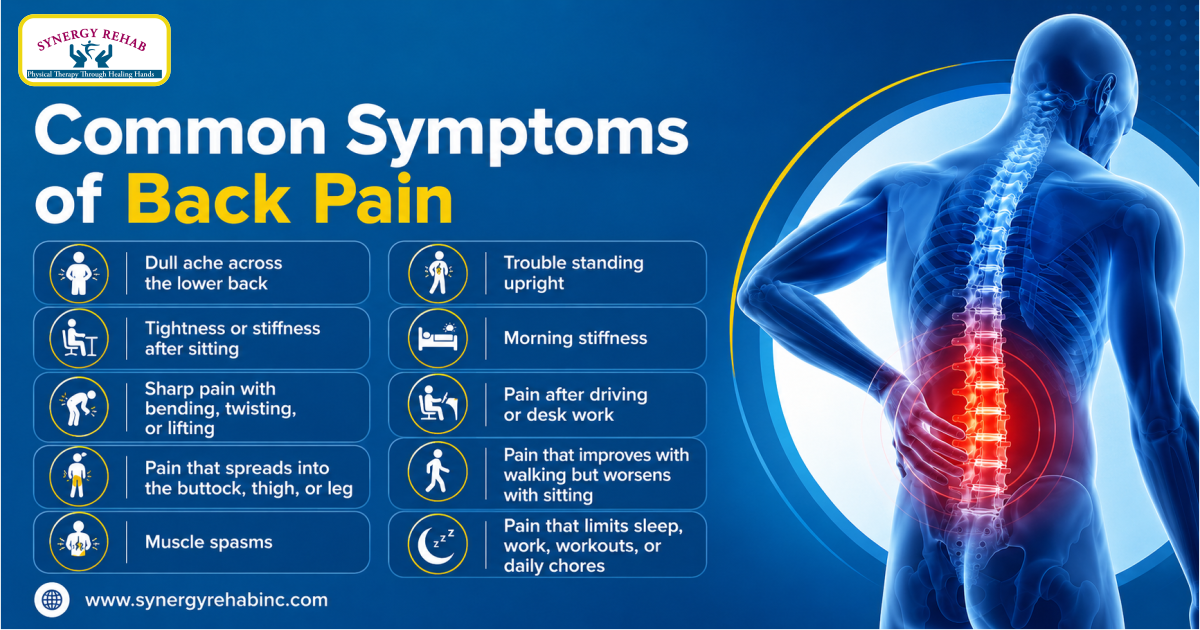
Back pain symptoms can feel different from person to person. Pain may feel like a dull ache, tightness, stiffness, sharp discomfort, burning pain, or shooting pain that travels into the hip, buttock, thigh, or leg.
Common symptoms include:
- Dull ache across the lower back
- Tightness or stiffness after sitting
- Sharp pain with bending, twisting, or lifting
- Pain that spreads into the buttock, thigh, or leg
- Muscle spasms
- Trouble standing upright
- Morning stiffness
- Pain after driving or desk work
- Pain that improves with walking but worsens with sitting
- Pain that limits sleep, work, workouts, or daily chores
Treatment should change based on symptoms. A stiff back may need mobility work. A weak or unstable back may need strengthening. Nerve-like symptoms may need a more careful progression.
Most Common Causes of Back Pain
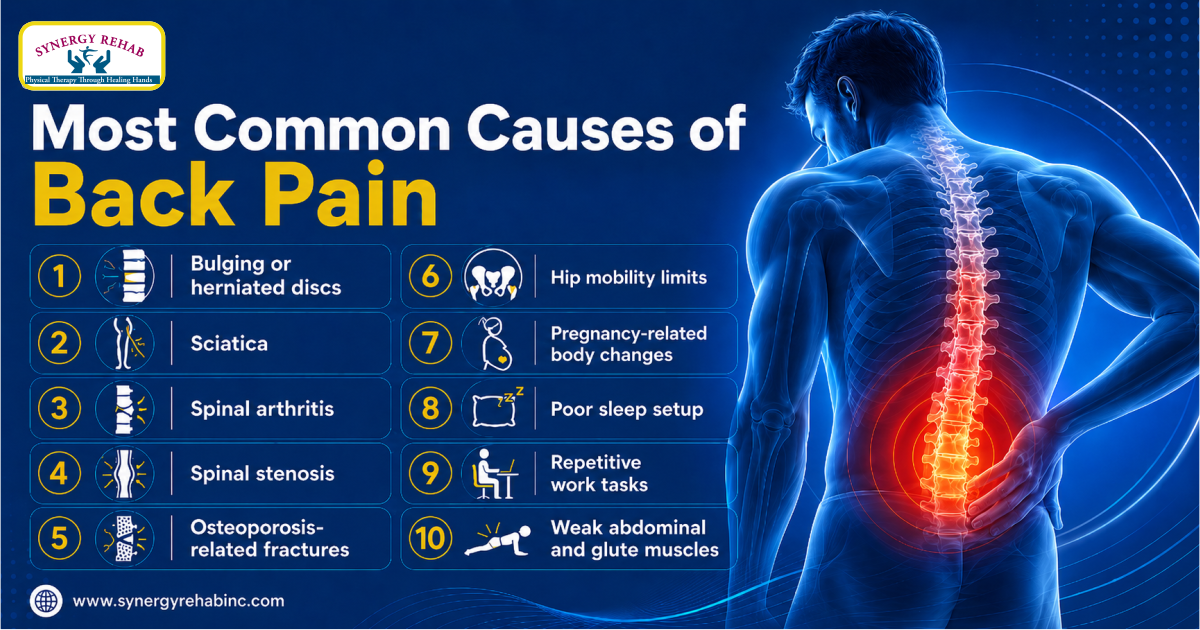
The most common causes of back pain include muscle strain, disc irritation, arthritis, poor posture, heavy lifting, prolonged sitting, weak core muscles, and sudden twisting. Many people strain back muscles by doing too much too soon, such as lifting, shovelling, carrying groceries, working out, or reaching awkwardly.
Other common back pain causes include:
- Bulging or herniated discs
- Sciatica
- Spinal arthritis
- Spinal stenosis
- Osteoporosis-related fractures
- Hip mobility limits
- Pregnancy-related body changes
- Poor sleep setup
- Repetitive work tasks
- Weak abdominal and glute muscles
Non-surgical back pain treatment is usually the first step for movement-related pain. Physical therapy, graded exercise, education, posture changes, and activity modification often help people recover without jumping straight to injections or surgery.
Is Your Back Pain From Movement or a Medical Condition?
Mechanical back pain comes from the muscles, joints, discs, ligaments, posture, or movement system. Medical back pain can be caused by infection, inflammatory disease, fracture, cancer, kidney problems, abdominal conditions, or other health concerns.
| Type of Back Pain | Where It May Come From | Common Feeling | Common Clues | What to Do |
| Mechanical back pain | Muscles, joints, discs, ligaments, posture, or movement habits | Aching, tightness, stiffness, or sharp pain with movement | Pain gets worse with lifting, sitting, bending, twisting, or standing too long | Consider a physical therapy evaluation, especially if pain affects daily movement |
| Medical back pain | Infection, inflammatory disease, fracture, kidney problems, abdominal conditions, cancer, or other health issues | Deep, constant, unusual, or not clearly linked to movement | Fever, unexplained weight loss, urinary symptoms, recent trauma, night pain, or cancer history | Contact a medical provider before starting exercises |
| Nerve-related back pain | Irritated or compressed nerve from a disc, joint, narrowing, or inflamed tissue | Burning, tingling, shooting, electric, or radiating pain | Pain travels below the knee, or comes with numbness, weakness, or pins and needles | Get evaluated before pushing stretches or strengthening exercises |
A safe Back Pain Treatment plan should first check for warning signs. Physical therapy may help with movement-related pain, but medical symptoms need the right provider at the right time.
How Upper and Lower Back Pain Feel Different
Upper back pain and lower back pain can feel similar, but they often come from different stress patterns.
| Area | Common triggers | Common goal |
| Upper back | Desk posture, rounded shoulders, neck tension, driving, and poor shoulder strength | upper-back comfort through mobility, postural strength, and shoulder control |
| Lower back | Lifting, sitting, bending, weak hips, tight hip flexors, disc irritation | lower-back comfort through core control, hip mobility, and graded strengthening |
Back Pain Treatment should not use the same exercise list for everyone. Someone with upper-back stiffness from desk work may need thoracic mobility and scapular strength. Someone with lower back pain after lifting may need hip-hinge retraining and increased trunk endurance.
Daily Habits That Cause Back Pain
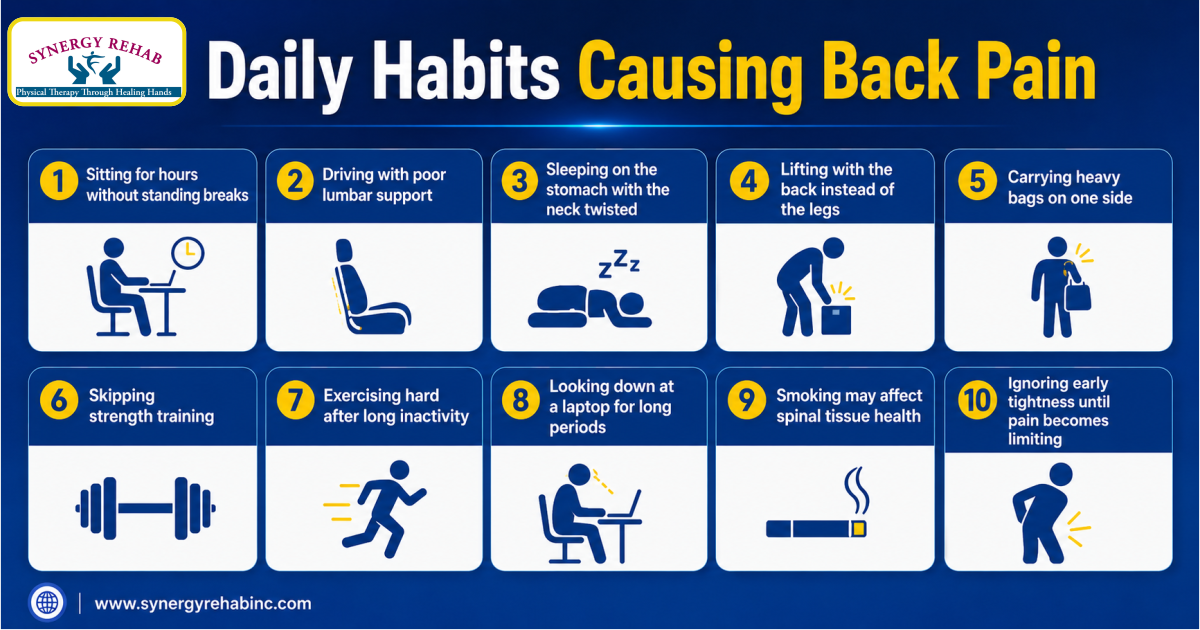
Small habits can create big stress when repeated for months or years. Many causes of back pain are not dramatic injuries. They are daily patterns that slowly overload the spine and surrounding tissues.
Common habits include:
- Sitting for hours without standing breaks
- Driving with poor lumbar support
- Sleeping on the stomach with the neck twisted
- Lifting with the back instead of the legs
- Carrying heavy bags on one side
- Skipping strength training
- Exercising hard after long inactivity
- Looking down at a laptop for long periods
- Smoking, which may affect spinal tissue health
- Ignoring early tightness until pain becomes limiting
If you often strain back muscles during normal chores, the problem may not be the chore itself. It may be poor load tolerance, weak hips, stiff joints, or rushed movement.
Back Pain During Pregnancy
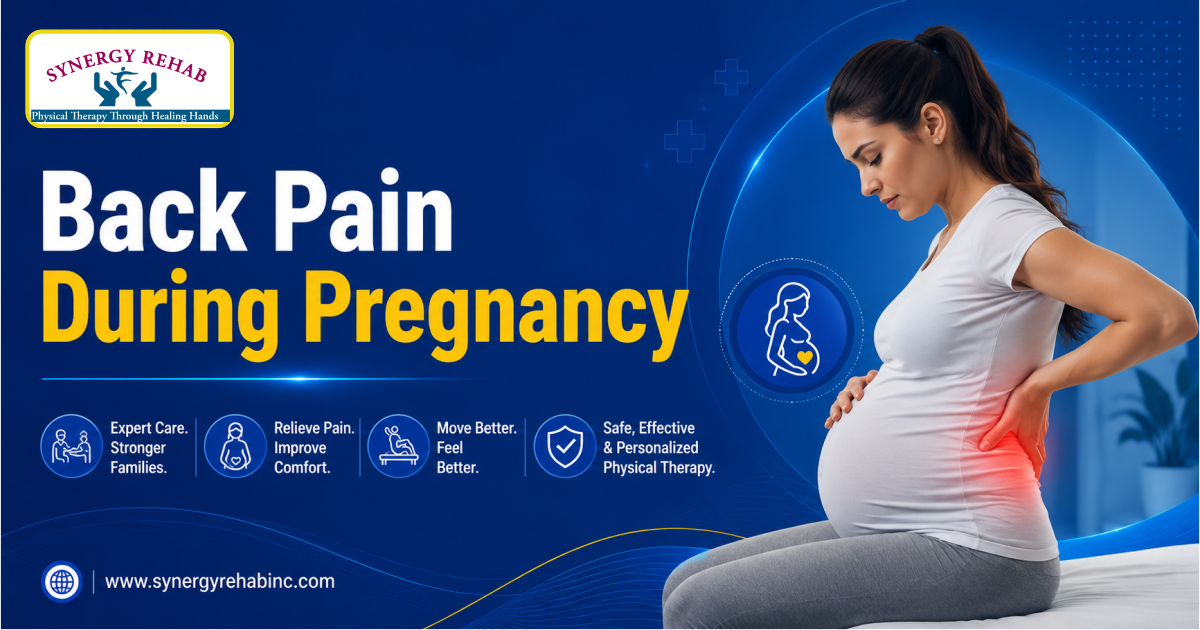
Pregnancy can contribute to back pain due to changes in body weight, shifts in the centre of gravity, changes in abdominal support, and more relaxed ligaments.
Safe back pain treatment during pregnancy should be guided by a qualified provider. Many pregnant patients benefit from gentle strengthening, pelvic support strategies, posture coaching, breathing work, and modified movement. Avoid intense twisting, heavy loading, or any exercise that increases pain or feels unsafe.
When Back Pain Can Be Serious
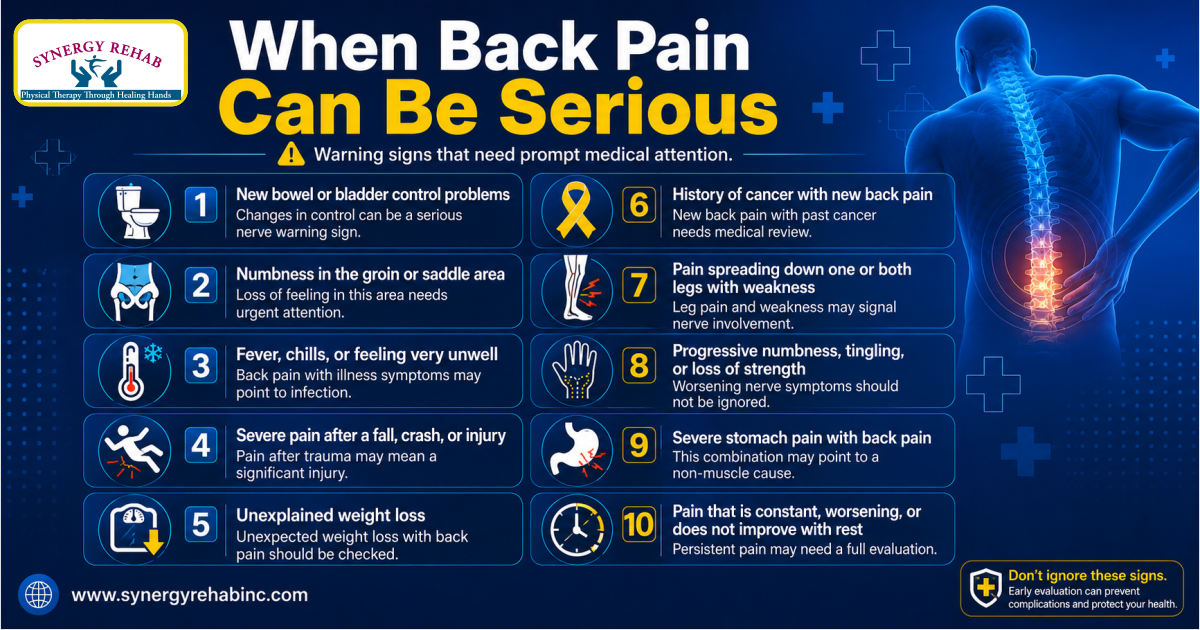
Most back pain is not dangerous and often improves with conservative care. However, some symptoms may point to nerve pressure, infection, fracture, or another medical condition that should not be managed with home exercises alone.
Seek urgent medical care if back pain comes with:
- New bowel or bladder control problems
- Numbness in the groin or saddle area
- Fever, chills, or feeling very unwell
- Severe pain after a fall, crash, or injury
- Unexplained weight loss
- History of cancer with new back pain
- Pain spreading down one or both legs with weakness
- Progressive numbness, tingling, or loss of strength
- Severe stomach pain with back pain
- Pain that is constant, worsening, or does not improve with rest
A back pain specialist in Southfield can help with movement-based pain, stiffness, and posture problems, as well as recovery planning. But warning signs should be evaluated by a medical provider first to ensure the correct cause is not missed.
What Not to Do With Back Pain
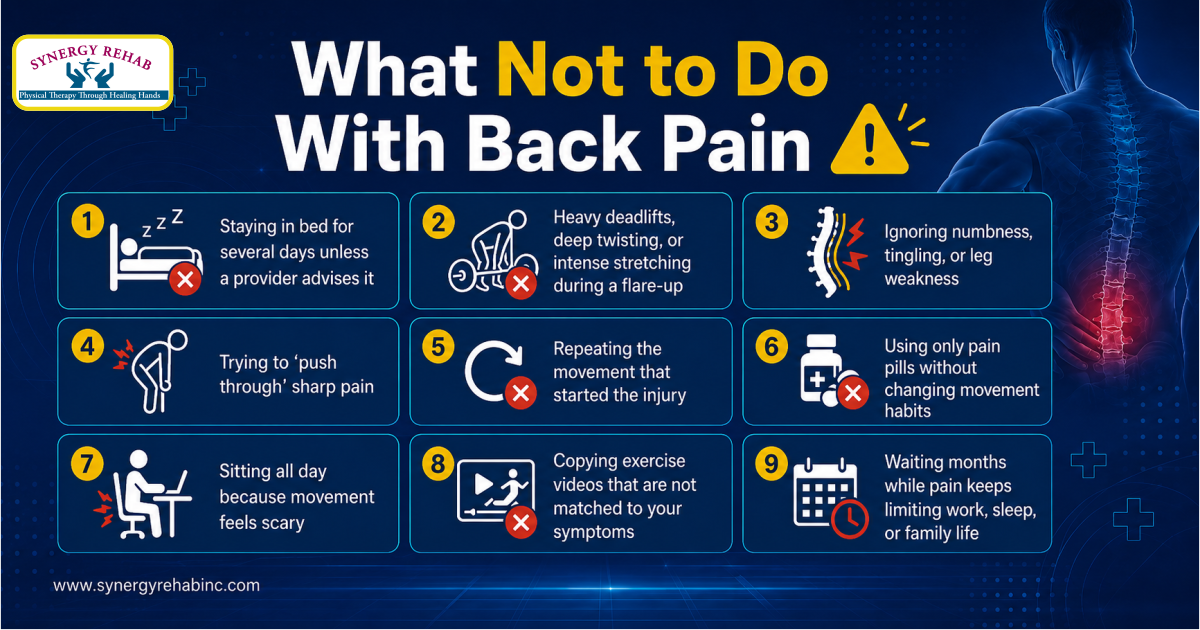
Back Pain Treatment can fail when people do too much, too soon, or choose random exercises without understanding the cause.
Avoid these mistakes:
- Staying in bed for several days unless a provider advises it
- Heavy deadlifts, deep twisting, or intense stretching during a flare-up
- Ignoring numbness, tingling, or leg weakness
- Trying to “push through” sharp pain
- Repeating the movement that started the injury
- Using only pain pills without changing movement habits
- Sitting all day because movement feels scary
- Copying exercise videos that are not matched to your symptoms
- Waiting months while pain keeps limiting work, sleep, or family life
If you strain back muscles repeatedly, your body may need graded strengthening, not just rest. If you keep needing Lower Back pain relief every few weeks, the deeper issue may be load capacity, mobility, or movement control.
Back Pain Treatment Options
| Treatment Option | What It Means | When It May Be Used |
| Home care | Basic self-care, such as light movement, heat, and avoiding activities that increase pain. | Many back pain cases improve within a month with home treatment. Staying active with light movement, such as walking, is often better than bed rest. |
| Physical therapy | A physical therapist teaches exercises to improve flexibility, strengthen back and abdominal muscles, and improve posture. | Useful when back pain affects movement, posture, strength, daily activity, or keeps returning. Physical therapy also helps patients modify movements during a pain episode while staying active. |
| Pain relievers | Medicines such as nonsteroidal anti-inflammatory drugs may help reduce pain. | May be used for short-term pain control when taken as directed by a healthcare professional. |
| Muscle relaxants | Prescription medicines that may reduce muscle spasm or mild to moderate pain. | May be considered if back pain does not improve with pain relievers, but they can cause dizziness or sleepiness. |
| Topical pain relievers | Creams, salves, ointments, or patches applied to the skin. | May help deliver pain-relieving substances directly to the painful area. |
| Cortisone injections | An injection of cortisone and numbing medicine around the spinal cord area to reduce nerve-root inflammation. | May be used when pain radiates down the leg and other measures do not relieve symptoms. Relief may last only a month or two. |
| Radiofrequency ablation | A procedure that uses radio waves through a needle to affect nearby nerves and interrupt pain signals. | May be considered for selected pain patterns when conservative treatment is not enough. |
| Implanted nerve stimulators | Devices placed under the skin that send electrical impulses to certain nerves. | May be used in specific chronic pain cases to block pain signals. |
| Surgery | A procedure used to create more space within the spine in selected cases. | May help people with increasing muscle weakness or back pain that travels down the leg from herniated disks or narrowing around spinal nerves. |
| Alternative care | Options such as acupuncture, chiropractic care, massage, TENS, or yoga. | May help some people, but benefits and risks should be discussed with a healthcare professional first. Yoga may need pose adjustments if symptoms worsen. |
Back Pain Treatment often starts with conservative care, and physical therapy helps patients improve flexibility, strengthen the back and abdominal muscles, improve posture, stay active safely, and reduce the chance of recurring pain.
How Physical Therapy Helps With Back Pain
Physical therapy helps by connecting pain to movement. A therapist checks range of motion, strength, posture, balance, nerve signs, lifting mechanics, walking pattern, and daily demands. Then the plan can target the reason your back is irritated.
Physical Therapy for Back Pain may include:
- Manual therapy for stiff joints and tight soft tissue
- Corrective exercise
- Core and hip strengthening
- Posture and ergonomic training
- Nerve mobility exercises when appropriate
- Balance and gait work
- Return-to-work planning
- Home exercise instruction
- Education for lifting, sleeping, driving, and sitting
This is why non surgical back pain treatment is often a practical first step for people with mechanical pain. It aims to reduce pain while improving the way your body handles stress.
When to See a Physical Therapist
See a physical therapist when back pain affects your daily life, keeps returning, or changes how you move. You do not have to wait until pain is severe.
You may need a back pain specialist in Southfield if:
- Pain lasts more than a few days and is not improving
- Pain returns every time you lift, sit, or work out
- You avoid normal activities because of the fear of pain
- You need Upper back pain relief after desk work
- You need Lower Back pain relief after driving or standing
- You feel stiff every morning
- You had an injury, and movement still feels limited
- You want a safe plan instead of guessing
A physical therapist can also help you decide whether your symptoms fit a physical therapy plan or need referral to another healthcare provider.
Physical Therapist-Recommended Exercises for Back Pain
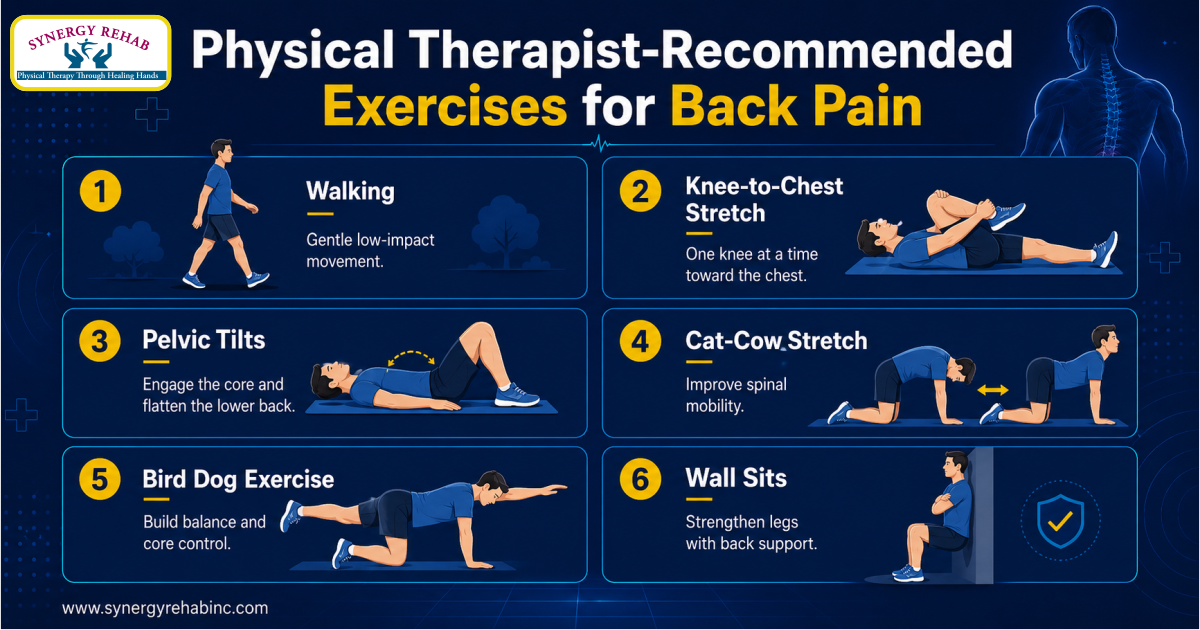
Physical therapy exercises should reduce tension, improve flexibility, strengthen core support, and help the spine move safely.
1. Walking
- Helps keep the spine moving without heavy pressure.
- Useful for mild stiffness, soreness, and early recovery.
2. Knee-to-Chest Stretch
- Helps reduce tightness in the lower back and hips.
- Best for gentle Lower back pain relief when symptoms are not spreading down the leg.
3. Pelvic Tilts
- Helps activate the core and improve lower-back control.
- Useful when back pain feels stiff after sitting or sleeping.
4. Cat-Cow Stretch
- Supports spinal mobility and reduces stiffness.
- Helpful for people who feel tight after desk work or long driving.
5. Bird Dog Exercise
- Builds core stability, balance, and back support.
- Often used in Physical Therapy for Back Pain in Southfield because it trains control without heavy loading.
6. Wall Sits
- Strengthens the legs, hips, and core.
- Helps support better posture and daily movement.
Start Your Back Pain Recovery With Synergy Rehab
Synergy Rehab helps people with back pain find safer ways to move, strengthen weak areas, and return to daily activities with more confidence. If your pain keeps coming back or you are unsure which exercises are right for you, a physical therapy evaluation can give you a clear next step.
Our team focuses on movement, mobility, posture, strength, and practical recovery strategies that fit your daily life. Schedule a back pain evaluation with Synergy Rehab today and start moving with less pain and better support.
FAQs About Back Pain Treatment
Q1. What is the best Back Pain Treatment for most people?
The best Back Pain Treatment depends on the cause, symptoms, and pain location. For many people, conservative care such as physical therapy, gentle movement, posture correction, strengthening exercises, and activity changes is the first step.
Q2. When should I see a physical therapist for back pain?
You should see a physical therapist if back pain affects sitting, walking, lifting, sleeping, work, or exercise. You should also get checked if pain keeps coming back or you are unsure which exercises are safe.
Q3. What are common back pain causes?
Common back pain causes include muscle strain, poor posture, long sitting, heavy lifting, weak core muscles, disc irritation, arthritis, tight hips, and sudden twisting.
Q4. Can physical therapy help lower back pain?
Yes. Physical therapy can support Lower back pain relief by improving mobility, core strength, hip strength, posture, and safer movement habits.
Q5. What are the best exercises for back pain?
The best exercises for back pain depend on your symptoms. Common physical therapist-recommended options include walking, pelvic tilts, knee-to-chest stretch, cat-cow, bird dog, glute bridges, and wall sits.
Q6. When is back pain serious?
Back pain may be serious if it comes with leg weakness, numbness, fever, unexplained weight loss, pain after a fall, severe stomach pain, or bowel or bladder control problems. These symptoms should be checked quickly.