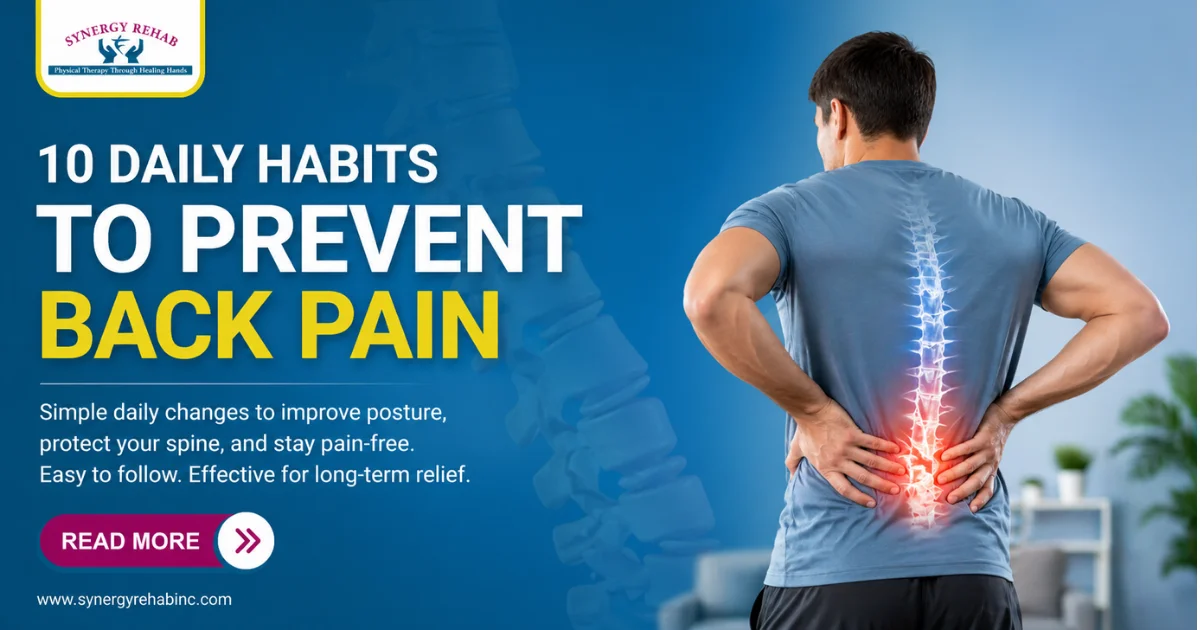
Back pain is not just a symptom. It often reflects how your body moves, rests, and responds to daily stress. In clinical practice, back pain usually develops over time due to repeated strain rather than a single injury, often caused by ongoing micro-stress on the spine.
Based on clinical experience, improving spinal health requires more than general advice. It involves correcting movement patterns, reducing mechanical load on the lumbar spine, and supporting the body’s natural alignment systems.
Daily habits directly influence back pain, increase the risk of lower back pain, and play a key role in long-term back pain management.
1. Maintain Proper Alignment to Reduce Back Pain
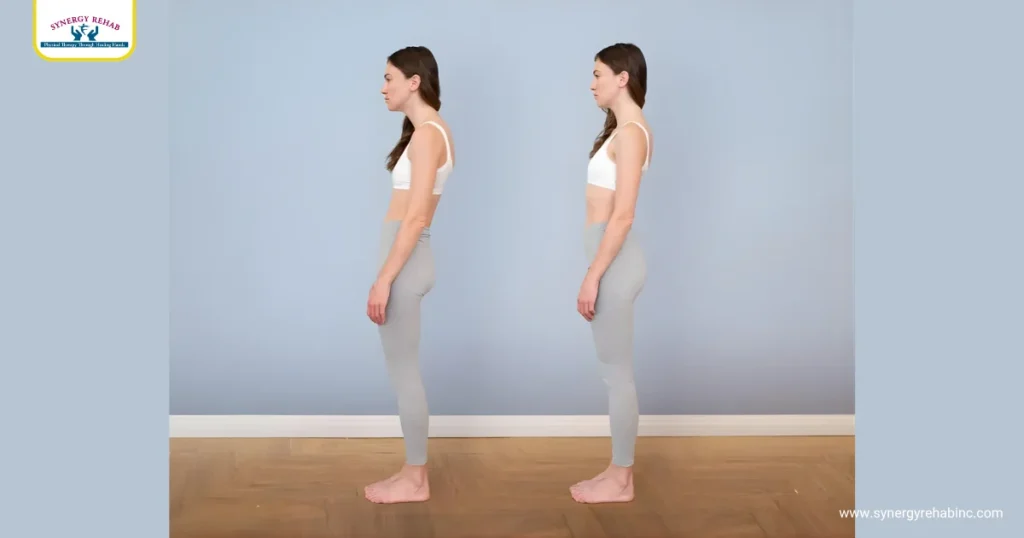
Poor posture is one of the leading causes of back pain. When the spine is not aligned properly, certain muscles overwork while others weaken.
From a clinical perspective, poor posture often shows up as a forward head position and rounded shoulders. These changes increase load on the spine and contribute to lower back pain over time.
Focus on:
- Keeping the head aligned with the shoulders
- Maintaining a natural curve in the lower back
- Avoiding slouched sitting positions
Correcting poor posture consistently improves spinal health and reduces the frequency of back pain.
2. Avoid Long Periods of Sitting
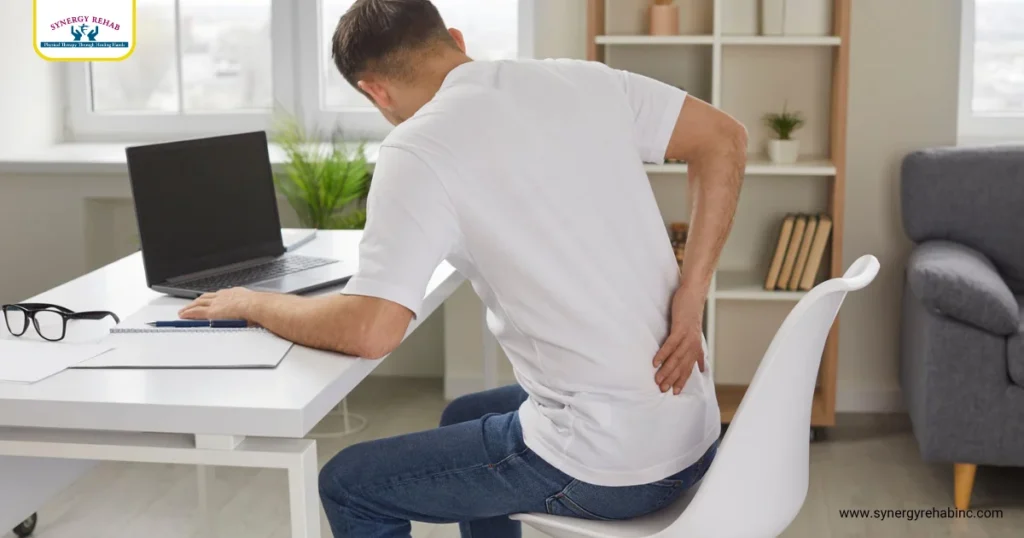
Sitting for extended periods is strongly linked to back pain, especially in desk-based jobs. When you sit too long, spinal discs experience increased pressure and reduced circulation.
A structured movement routine is more effective than occasional stretching.
| Sitting Duration | What Happens | What to Do |
| 30 to 45 minutes | Muscle stiffness begins | Stand and adjust posture |
| 60 minutes | Increased disc pressure | Walk for a few minutes |
| 90+ minutes | Reduced mobility | Do light mobility exercises |
This approach is commonly used in back pain management programs to reduce stiffness and support spinal health.
3. Strengthen Core Muscles for Spinal Support

Weak core muscles reduce the spine’s ability to stay stable, leading to recurring back pain and lower back pain.
Core stability is not just about visible muscles. It includes deep muscles that support spinal alignment during movement.
Key focus areas:
- Abdominal stability
- Lower back support muscles
- Pelvic control
Improving these areas reduces unnecessary strain and supports long-term back pain management.
4. Improve Mobility to Reduce Lower Back Strain
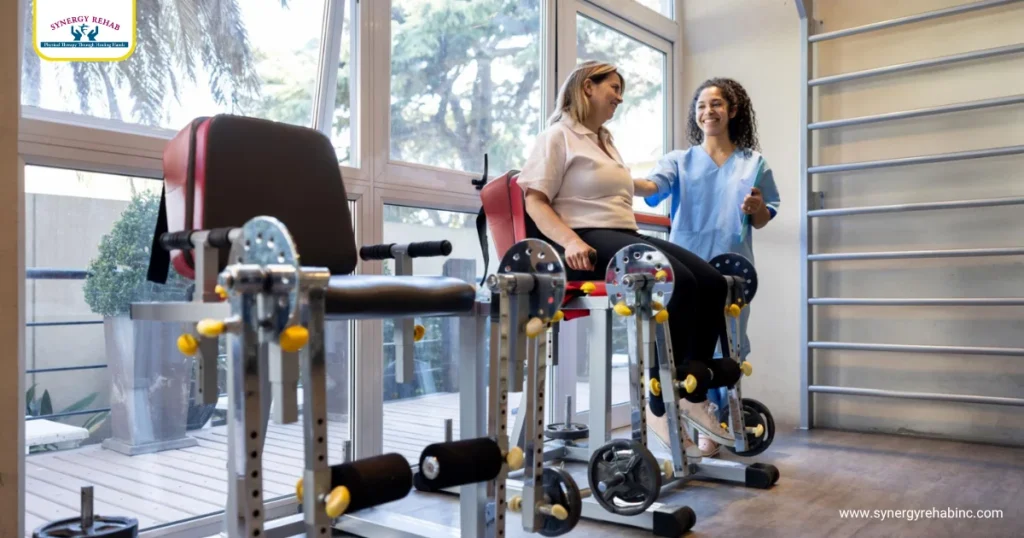
Restricted movement in surrounding joints often shifts stress to the lower back. This is a common cause of persistent back pain.
Many patients with lower back pain have tight hips and limited upper spine mobility. Addressing these areas reduces compensation and improves movement efficiency.
Regular stretching and mobility work improve spinal health and reduce pressure on the lumbar region.
5. Optimize Sleep Position for Recovery

Sleep plays an important role in recovery from daily stress. Poor sleep posture can worsen back pain and delay healing.
Instead of focusing only on comfort, focus on alignment.
- Sleeping on your back with knee support helps maintain spinal position
- Side sleeping with proper support reduces hip rotation
- Sleeping on the stomach often increases spinal strain
These adjustments help reduce both back pain and lower back discomfort.
6. Use Correct Lifting Techniques
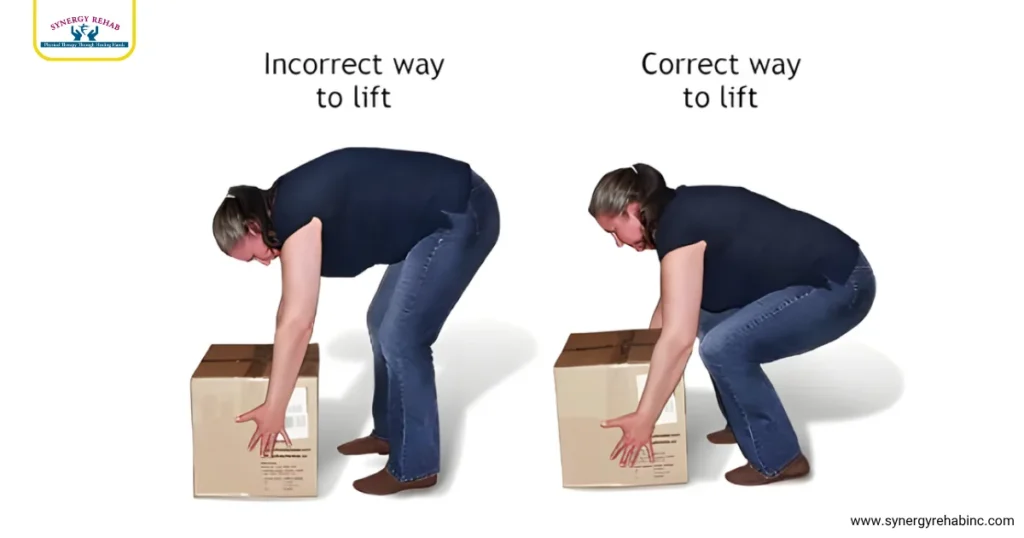
Improper lifting is a major cause of sudden back pain. The spine should not take the full load during lifting activities.
Instead:
- Use your legs and hips to lift
- Keep objects close to your body
- Avoid twisting movements
Correct lifting mechanics are essential for preventing injury and supporting back pain management.
7. Maintain a Healthy Weight to Reduce Spinal Load

Excess body weight increases pressure on the spine, particularly in the lower back. This contributes to chronic back pain and reduces movement efficiency.
Maintaining a healthy weight improves posture, reduces stress on joints, and supports overall spinal health.
8. Avoid Smoking to Support Healing

Smoking affects circulation and reduces oxygen supply to spinal tissues. This slows recovery and increases the likelihood of persistent back pain.
For individuals managing chronic back pain, improving circulation is an important factor in recovery.
9. Choose Supportive Footwear
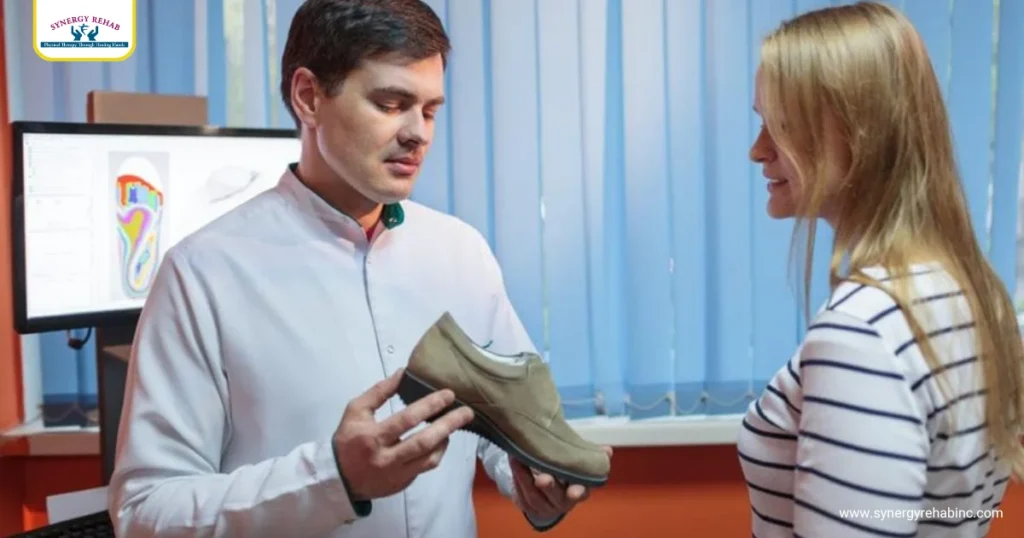
Footwear plays a key role in alignment and posture. Poor support at the feet can affect the entire kinetic chain and contribute to back pain.
Instead of focusing only on style, consider:
- Arch support
- Heel height
- Stability
Proper footwear helps maintain balance and reduces lower back strain risk.
10. Adjust Your Workstation to Reduce Daily Strain
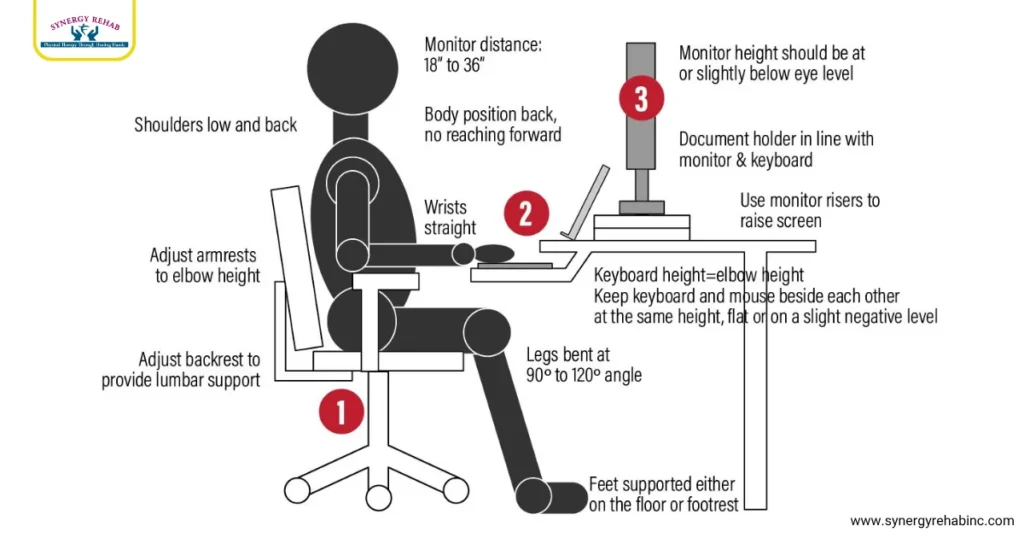
Modern work environments are a major contributor to back pain. Poor desk setup leads to poor posture and repetitive strain.
A properly adjusted workstation can significantly reduce daily stress on the spine.
| Work Setup Element | Ideal Position | Why It Matters |
| Screen height | Eye level | Prevents neck strain |
| Chair support | Lower back supported | Maintains posture |
| Sitting position | Feet flat, knees aligned | Reduces pressure |
These changes support better posture and improve back pain management outcomes.
When Back Pain Requires Professional Attention
Daily habits can prevent many issues, but some conditions require structured care. If back pain persists, it may indicate underlying mechanical problems.
You should consider back pain treatment in Southfield if:
- Back pain lasts more than two weeks
- Lower back pain spreads to the legs
- Movement becomes restricted
- Pain affects daily activities
Early treatment improves recovery and prevents chronic conditions.
How Physical Therapy Supports Back Pain Management
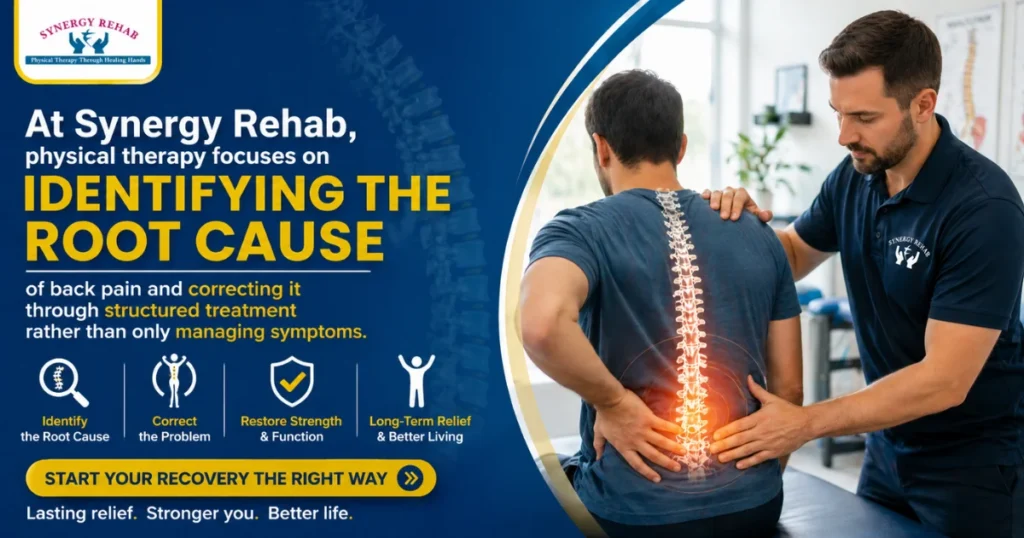
At Synergy Rehab, physical therapy focuses on identifying the root cause of back pain and correcting it through structured treatment rather than only managing symptoms. For individuals looking for back pain treatment in Southfield, this approach begins with a detailed movement assessment to identify problem areas, followed by targeted strength training to improve support around the spine. Posture correction helps reduce unnecessary strain, while mobility work restores proper movement patterns. This method improves spinal health and reduces the chances of recurring back pain.
FAQs on Back Pain and Spinal Health
Q1. Why does back pain feel worse after sitting for long hours?
When you sit for extended periods, the muscles supporting your spine become inactive while pressure on the spinal discs increases. This combination reduces circulation and leads to stiffness, which can make back pain more noticeable when you stand or move.
Q2. Can back pain occur even if I exercise regularly?
Yes, back pain can still occur if exercise is not balanced. Overtraining certain muscles while neglecting mobility or posture can create imbalances. Proper form, recovery, and a mix of strength and flexibility are important for preventing back pain.
Q3. Is it normal to feel lower back issues after waking up?
Occasional stiffness can be normal, but regular lower back pain in the morning may indicate poor sleep posture, an unsupportive mattress, or underlying muscle tightness. Improving sleep alignment often helps reduce this issue.
Q4. How do I know if my posture is causing back pain?
If your back pain increases after sitting, working on a laptop, or using your phone, poor posture may be a contributing factor. Signs include rounded shoulders, forward head position, and discomfort in the lower back after long periods of sitting.
Q5. Can stress contribute to back pain?
Yes, stress can lead to muscle tension, especially in the neck and lower back. Over time, this tension can contribute to back pain and reduced mobility. Managing stress is an important part of overall back pain management.
Q6. Should I rest completely when I have back pain?
Complete rest is usually not recommended. Gentle movement helps maintain circulation and prevents stiffness. Staying moderately active is often more beneficial for recovery than prolonged rest.
Q7. How long does it take to recover from back pain?
Recovery time depends on the cause and severity. Mild back pain may improve within a few days, while ongoing lower back pain may require structured care and guided exercises for full recovery.
Q8. When should I consider professional help for back pain?
If back pain lasts more than two weeks, becomes more intense, or affects your daily activities, it is advisable to seek professional care. Early intervention can prevent the condition from becoming chronic.