
Back pain is common, but some pain patterns should not be treated like a normal muscle strain. The most important symptoms of back pain are the ones that show nerve pressure, infection, injury, or a deeper health problem.
Most mild back pain improves with careful movement, rest from heavy lifting, posture correction, and conservative care. But severe or changing pain needs a closer look. This article explains five early symptoms of back pain that people often dismiss, plus when to choose emergency care, a doctor visit, or physical therapy.
When is Back Pain Serious?
Back pain becomes serious when it affects your nerves, bladder, bowels, walking, sleep, or overall health. Pain with leg symptoms, fever, unexplained weight loss, numbness around the groin, or a recent fall needs medical attention.
Seek urgent care if back pain comes with bladder or bowel changes, severe weakness, saddle numbness, strong abdominal pain, or pain after a hard accident. These symptoms of back pain should not be ignored.
1. Pain That Travels Down Your Leg
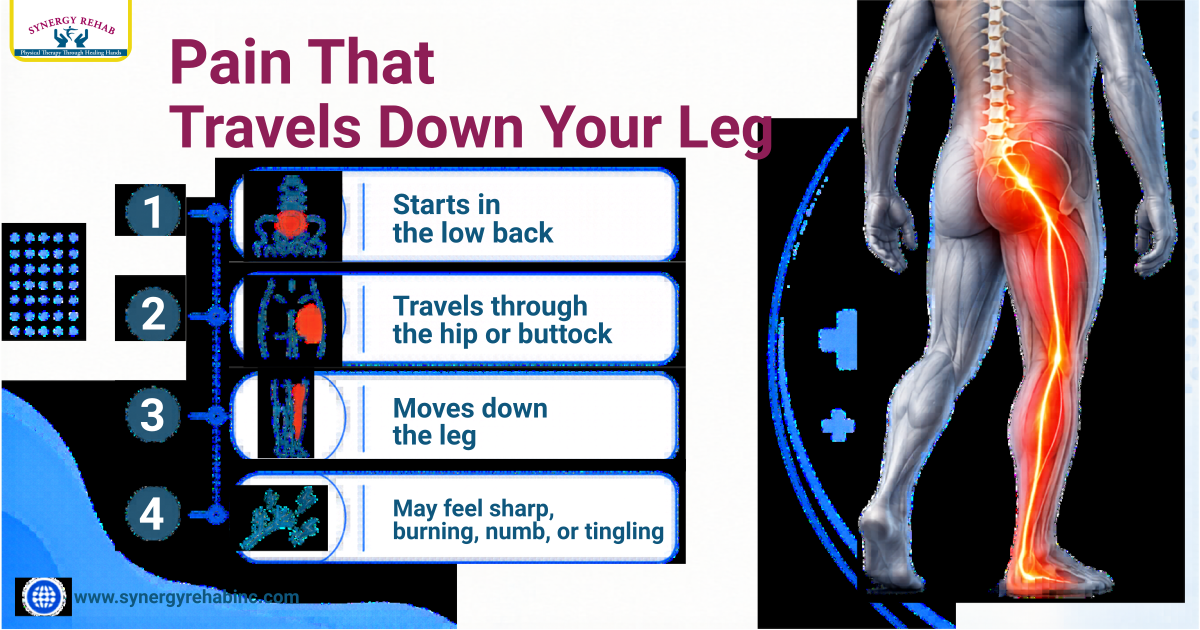
Pain that starts in the lower back and travels into the buttock, thigh, calf, or foot can suggest irritation around a spinal nerve. Many people describe it as sharp, burning, electric, or shooting. It may get worse with sitting, bending, coughing, or lifting.
This is one of the warning signs of back pain that people often connect with sciatica. However, not every leg pain pattern is the same. Pain that goes below the knee, keeps spreading, or affects both legs should be checked sooner. These changes can appear before major weakness starts.
2. Weakness, Numbness, or Tingling
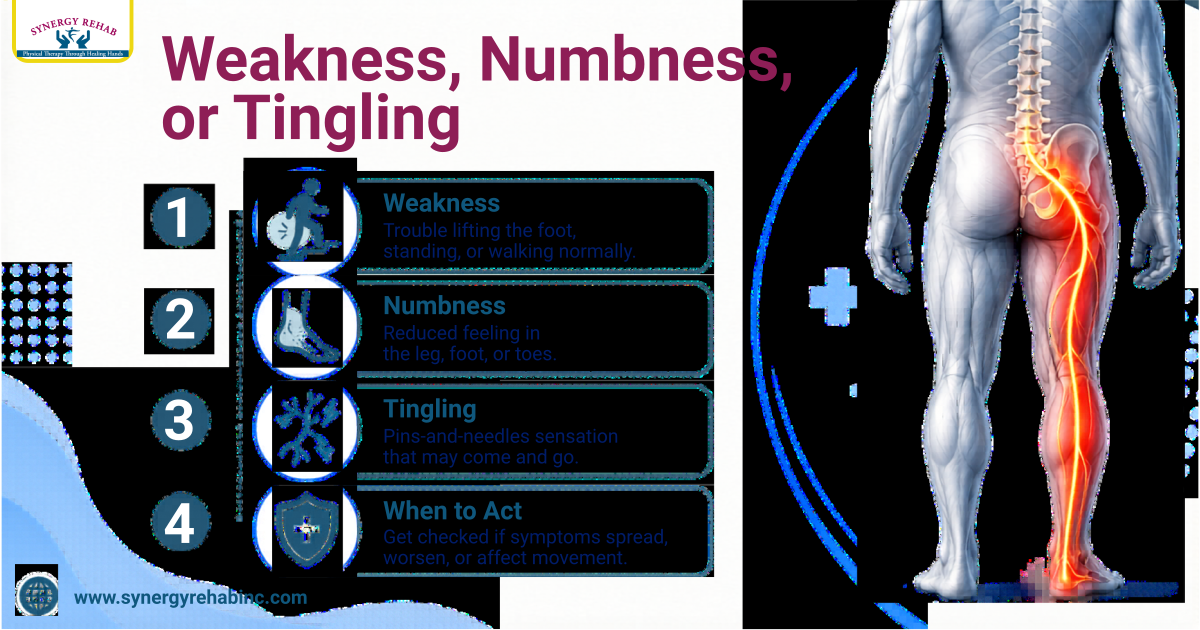
Weakness, numbness, or tingling can mean a nerve is irritated or not sending signals normally. This symptom needs attention when it is new, spreading, or getting worse.
Examples include foot drop, trouble climbing stairs, dragging one leg, or feeling like the leg may give out. Not all tingling is an emergency, but weakness is different.
If you suddenly cannot lift your foot, stand on your toes, control your leg, or walk normally, do not wait to see if it passes. These symptoms of back pain can become harder to treat when nerve pressure continues.
3. Loss of Bladder or Bowel Control
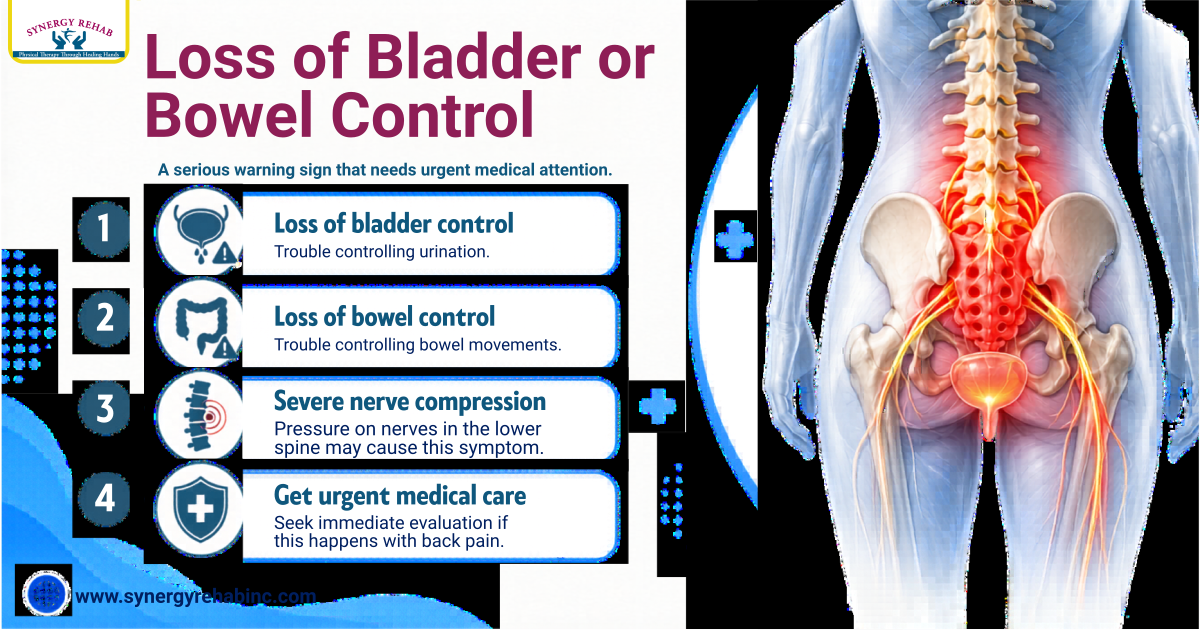
New bladder or bowel changes with back pain need urgent medical care. This may include trouble starting urination, loss of bladder control, accidental bowel leakage, numbness around the groin or inner thighs, or a feeling that the saddle area is not normal.
This is one of the most serious symptoms of back pain because it can involve pressure on nerves that control bladder, bowel, and leg function. Do not try to stretch through it, sleep it off, or wait for a therapy appointment.
Among all warning signs of back pain, this is the one that should move a person from “monitor it” to “get help now.” Fast evaluation matters.
4. Fever, Unexplained Weight Loss, or Feeling Sick
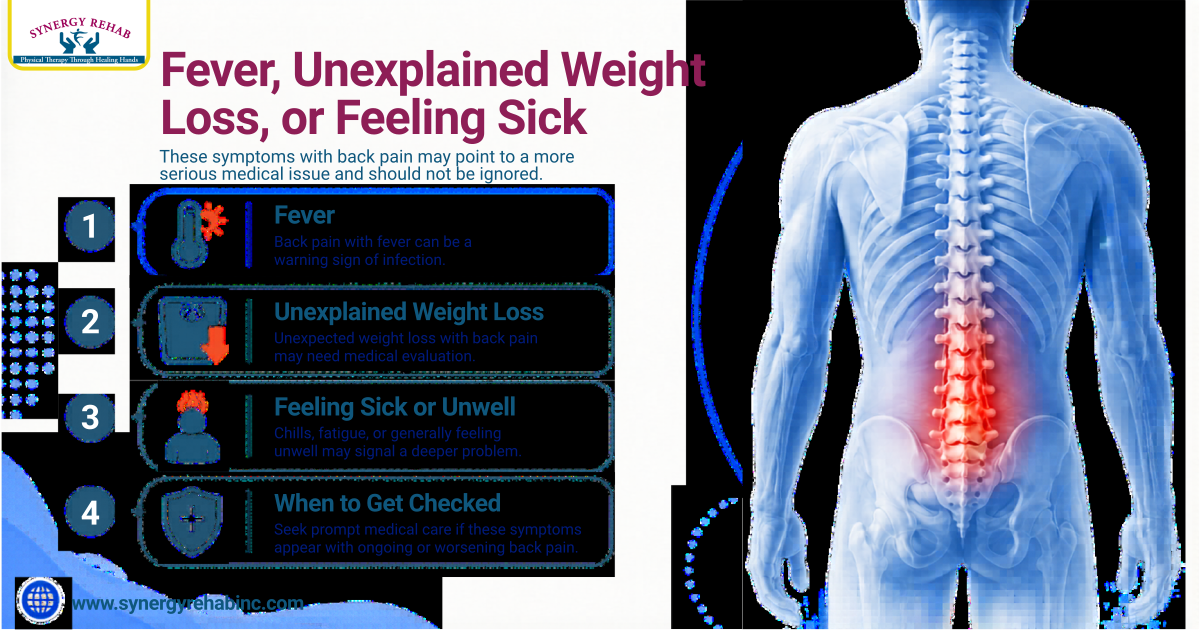
Back pain with fever, chills, unusual fatigue, unexplained weight loss, or a deep unwell feeling should be taken seriously. These symptoms may suggest infection, inflammation, or another medical condition that needs a clinical exam.
This does not mean every fever with back pain is dangerous. A person can have back pain and a common illness at the same time. The concern arises when the pain is constant or worsening, not linked to movement, or accompanied by other changes such as night sweats, loss of appetite, or a recent infection.
These symptoms of back pain are easy to miss because they do not always feel like a spine problem. That is why the whole picture matters.
5. Back Pain After a Fall, Accident, or Injury
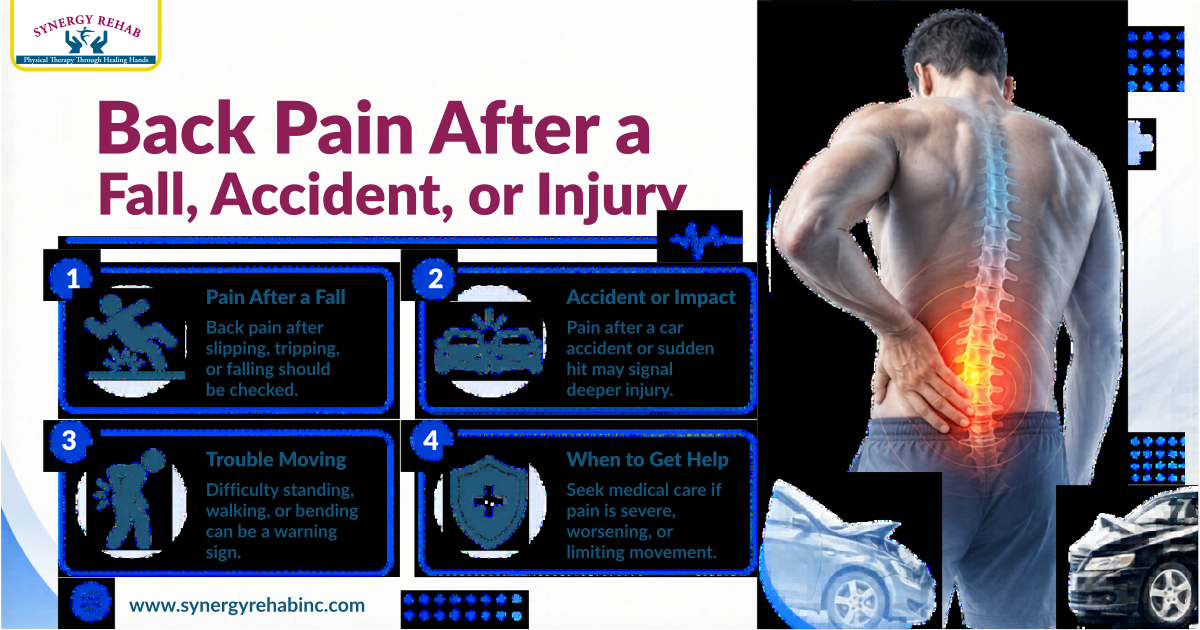
Back pain after a fall, car accident, sports hit, or direct blow should be checked if the pain is severe, sharp, or not improving. The risk is higher for older adults, people with osteoporosis, people using long-term steroids, or anyone with known bone weakness.
A strain can happen after trauma, but so can a fracture, disc injury, or joint injury. Pain that starts immediately after impact, worsens with standing, or creates a deep point of tenderness should not be ignored.
Some early symptoms of back pain after injury are subtle. A person may walk away from a fall, then feel increasing stiffness, sharp pain with turning, or pain that blocks normal sleep later that day.
Pain That Gets Worse at Night or Does Not Improve
Back pain that gets worse at night, wakes you from sleep, or does not improve with rest should be evaluated. Mechanical back pain often changes with position. More concerning pain may feel constant, deep, or unrelated to movement.
Also, pay attention to pain that lasts more than a few weeks, keeps returning stronger, or stops you from walking, working, sleeping, or doing normal daily tasks. These symptoms of back pain do not always mean danger, but they do mean your body needs a better explanation than “just back pain.”
The warning signs of back pain become more important when night pain appears with fever, weight loss, recent infection, or new nerve symptoms.
How to Know What Level of Back Pain Care You Need
| Situation | What It May Mean | Best Next Step |
|---|---|---|
| Bladder or bowel control changes, saddle numbness, sudden leg weakness | Possible serious nerve compression | Go to emergency care |
| Back pain with fever, severe abdominal pain, or feeling very sick | Possible infection or non-spine medical issue | Seek urgent medical care |
| Pain after a fall, accident, or direct injury | Possible fracture, disc injury, or tissue damage | Call a doctor or urgent care |
| Pain travels below the knee with numbness or tingling | Possible nerve irritation | Schedule a medical or therapy evaluation |
| Mild pain after lifting, sitting, or overuse, with no nerve symptoms | Possible strain or movement-related pain | Use gentle movement and monitor |
| Pain lasting more than a few weeks | Recovery may need a plan | Book an evaluation |
This table helps separate routine soreness from symptoms of back pain that need medical attention. If symptoms are changing quickly, getting worse, or affecting nerve control, choose care sooner.
How Physical Therapy Evaluates Back Pain
A physical therapy evaluation helps find why your back hurts and how it affects movement. The therapist may check your posture, walking pattern, spine motion, hip mobility, leg strength, nerve symptoms, and daily activities.
This exam also helps separate simple muscle or joint pain from symptoms that may need a medical referral. If your pain is safe for rehab, the therapist can build a plan with exercises, hands-on care, posture changes, and safer lifting habits.
Get Help for Back Pain Before It Gets Worse

Synergy Rehab offers physical therapists for back pain in Southfield who help patients understand what may be causing their back pain and what steps are safe to take next. If your pain affects walking, sleep, strength, posture, or daily movement, a physical therapy evaluation can help identify movement limits, muscle weakness, nerve symptoms, and activity habits that may be adding stress to your back.
Back pain should not be ignored when symptoms keep returning or start affecting your normal routine. Schedule a visit with Synergy Rehab to get a clear recovery plan built around your symptoms, movement, and long-term function.
FAQs about 4 Common Symptoms of Back Pain
Q1. When should I worry about back pain?
You should worry about back pain if it travels down your leg, causes numbness or weakness, affects bladder or bowel control, comes with fever, follows an injury, or keeps getting worse instead of improving.
Q2. What symptoms of back pain need urgent care?
Back pain needs urgent care if it comes with new bladder or bowel problems, saddle numbness, sudden leg weakness, high fever, severe stomach pain, or pain after a serious fall or accident.
Q3. Is back pain with leg pain serious?
Back pain with leg pain can be serious when the pain travels below the knee, keeps spreading, or comes with numbness, tingling, or weakness. These signs may suggest nerve irritation.
Q4. Can back pain be a sign of nerve damage?
Back pain may involve nerve irritation if you feel burning, shooting pain, tingling, numbness, weakness, or pain moving into the buttock, thigh, calf, or foot.
Q5. When should I see a physical therapist for back pain?
You can see a physical therapist when back pain affects walking, sitting, bending, lifting, posture, sleep, or daily activity. Do not start with physical therapy if you have emergency symptoms like bladder or bowel changes or sudden severe weakness.